Iran Retains Majority of Ballistic Missiles as Officials Signal Potential Escalation
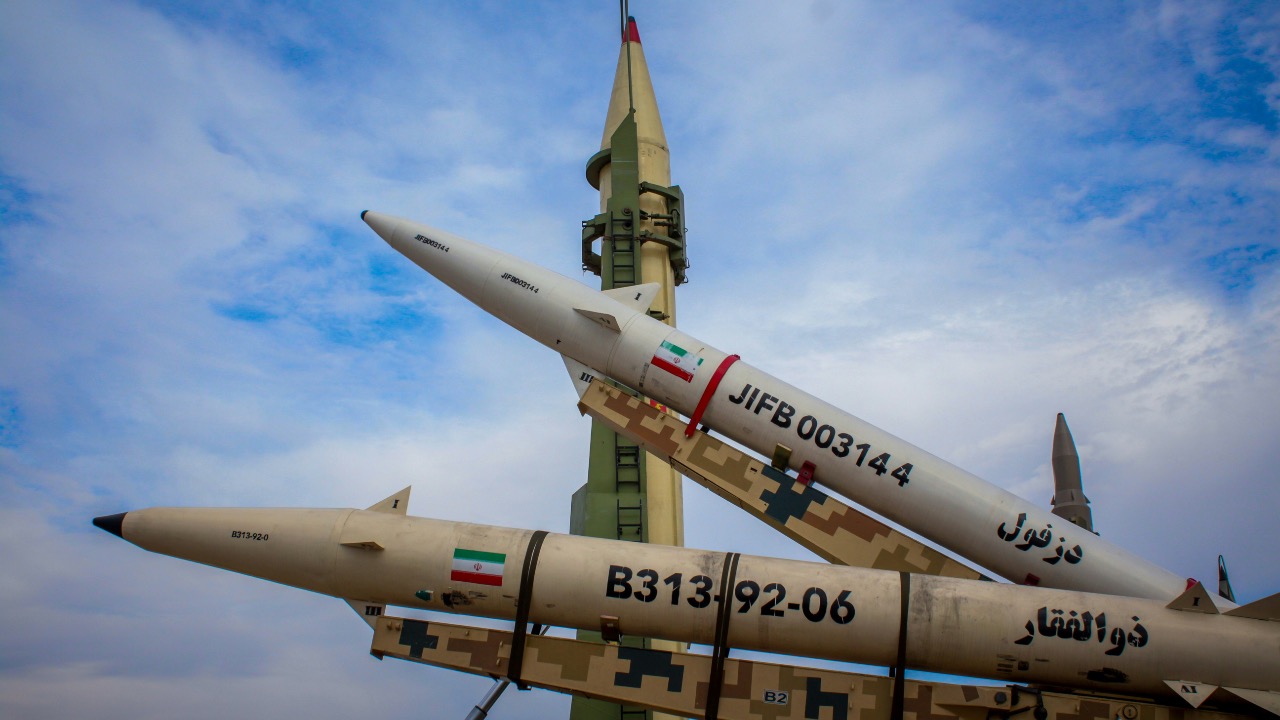
Recent reporting and military assessments indicate that Iran still maintains a large portion of its ballistic missile arsenal despite ongoing regional strikes and counterstrikes. The stockpile is considered a core part of Iran’s defense strategy, especially as tensions continue to rise in the Strait of Hormuz and surrounding regions.
Analysts say this missile force is not just about numbers, but about deterrence. Even after years of sanctions and targeted attacks, Iran’s missile program remains one of the largest in the Middle East, designed to give it leverage in any potential conflict with the United States or its allies.
Missile stockpile remains a key deterrent
Iran’s ballistic missile program is widely described as central to its military strategy, with estimates suggesting thousands of missiles across different ranges are still in its possession. These systems are intended to respond quickly in the event of an attack, giving Iran a way to project power without relying on a traditional air force.
Officials and military analysts often describe this capability as a form of “deterrence through retaliation,” meaning the goal is not necessarily first use, but ensuring any strike against Iran would be met with a strong response. This approach has shaped how other countries in the region assess risk and plan military strategy.
Escalation signals tied to regional tensions
The current concern comes alongside rising tensions in and around the Strait of Hormuz, a critical global shipping route. Military activity in the region has increased, with naval movements, ship seizures, and warnings exchanged between Iran and the United States becoming more frequent.
Iranian officials have previously warned that if pressure continues or strikes occur against its infrastructure, it could respond by targeting regional assets, including energy facilities and military positions. These statements are often viewed as signaling tools, but they still raise concern because of how quickly situations in the region can escalate.
Strategic importance of missile forces
Iran’s missile program is also tied to its broader regional strategy, including support for allied groups and influence across neighboring conflicts. Because sanctions have limited its ability to modernize conventional air power, missiles have become a central part of its defense posture.
The system includes mobile launch platforms and hardened storage facilities, making it difficult to eliminate entirely through strikes. This mobility and dispersion are key reasons analysts believe Iran still retains a strong operational capability even after sustained pressure.
Regional and global concerns
Any discussion of escalation involving ballistic missiles raises concern far beyond the Middle East. Countries that rely on oil shipments through the Strait of Hormuz closely watch developments, since disruptions there can quickly affect global energy prices and shipping routes.
At the same time, diplomatic efforts remain uncertain. While there have been discussions involving third-party mediators, trust between involved parties remains low, and both military readiness and political messaging continue to escalate rather than de-escalate tensions.
What comes next
For now, Iran’s missile stockpile remains a major factor in how other countries calculate risk in the region. Even without active use, the presence of a large and mobile missile force influences negotiations, military planning, and international response strategies.
The key concern moving forward is not just capability, but intent. As long as tensions remain high, even signaling around missile readiness is enough to keep the situation unstable and under close global watch.

Leo’s been tracking game and tuning gear since he could stand upright. He’s sharp, driven, and knows how to keep things running when conditions turn.