Iran Threatens to Sink American Ships in Strait of Hormuz and Claims U.S. Ground Invasion Would Be ‘Great’
Tensions between Iran and the United States have escalated again after an Iranian military adviser warned that American ships could be targeted in the Strait of Hormuz. The comments come at a time when both countries are already dealing with rising pressure tied to naval activity and economic restrictions in the region.
The warning highlights how quickly the situation can shift from political messaging to something more serious. The Strait of Hormuz is one of the most sensitive areas in the world for global trade, so even statements like this tend to get immediate attention from governments and markets.
What was said and why it matters
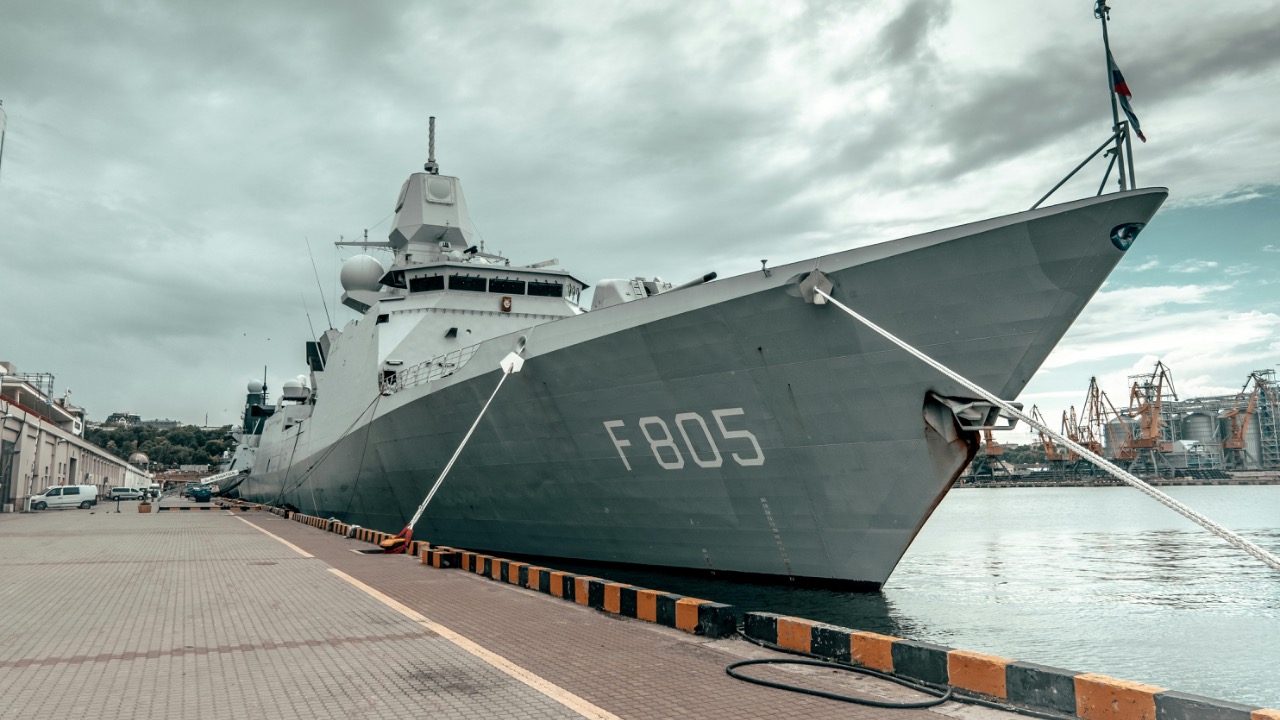
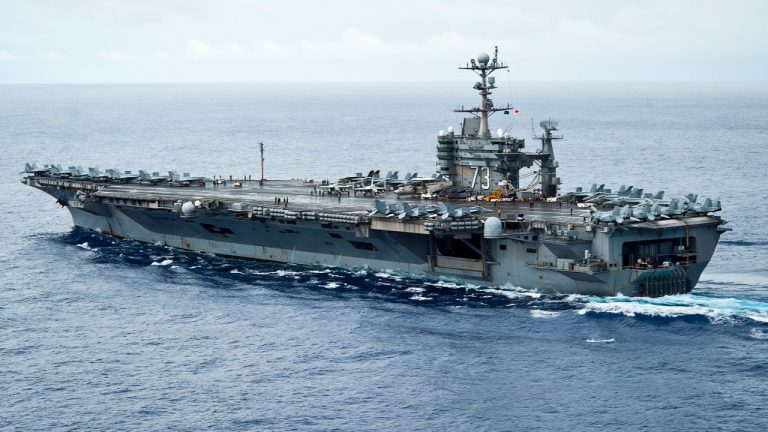
The remarks came from a figure connected to Iran’s leadership, which gives them more weight than typical political talk. He suggested that if the U.S. increases its presence or attempts to control movement in the strait, Iranian forces could respond directly against American vessels.
Another part of the statement that stood out was the claim that a U.S. ground invasion would be “great” for Iran. That idea appears to be tied to confidence in defensive strategy rather than a literal desire for war, but it still reflects how aggressive the tone has become on both sides.
The bigger conflict behind the threats
These comments are tied to a larger conflict involving sanctions, military positioning, and control over key trade routes. The U.S. has continued to apply economic pressure on Iran, while also maintaining a naval presence meant to protect international shipping.
Iran, on the other hand, has used its position near the Strait of Hormuz as leverage. Because so much of the world’s oil supply passes through that narrow route, even the possibility of disruption can have global consequences. That’s why statements like these carry more weight than they might in other regions.
Rising tension in the region
Recent developments have shown how fragile the situation is. Reports of ship seizures, warnings at sea, and increased military activity have all contributed to uncertainty. Even when there’s no direct conflict, these actions raise the risk of something going wrong.
Diplomatic efforts haven’t fully broken down, but they’ve become more difficult. Both sides continue to accuse each other of escalating the situation, which makes it harder to build trust or move toward de-escalation.
Why the Strait of Hormuz matters so much
The Strait of Hormuz is a major chokepoint for global energy supply. A large share of the world’s oil moves through that narrow stretch of water every day, making it one of the most strategically important locations on the planet.
Because of that, any threat to shipping in the area has ripple effects far beyond the Middle East. It can influence fuel prices, shipping costs, and broader economic stability, which is why countries around the world pay close attention to what happens there.
What happens next
Right now, the situation remains tense but uncertain. Strong statements from officials on either side increase pressure, but they don’t always lead directly to action. In many cases, they’re part of a larger strategy to signal strength or deter the other side.
The real concern is the possibility of a miscalculation. With military forces operating in close proximity, it wouldn’t take much for a single incident to escalate quickly. For now, the focus remains on whether tensions cool down or continue to build.

Leo’s been tracking game and tuning gear since he could stand upright. He’s sharp, driven, and knows how to keep things running when conditions turn.