Fearful Left-Leaning Americans Turn to Guns in the Trump Era
In recent years, a quiet but significant shift has taken hold among many Americans who identify as left-leaning. Gun ownership, long viewed through a narrow lens of conservative traditions, now draws in people who once kept their distance from firearms. This change accelerated noticeably after the 2024 election and into the current Trump administration, as worries about policy changes, social divisions, and personal safety pushed some to reconsider their options. Data from gun clubs and surveys back this up, showing increased participation from progressives, people of color, and LGBTQ communities who cite a need for self-reliance amid uncertainty.
You see the pattern in everyday reports and conversations. What used to feel like a partisan divide has started to blur in subtle ways. These new owners are not abandoning their values. They are adapting to a moment that feels unpredictable, seeking tools that give them a measure of control. The trend reflects deeper questions about protection in an era of heightened tensions, without erasing the broader debates around firearms that have always existed.
The surge in interest among progressives

Left-leaning Americans have begun showing up at gun ranges and training facilities in greater numbers than before. Organizations dedicated to this audience report sharp jumps in membership and class sign-ups, especially in the early months of 2026. Many participants describe the decision as practical rather than ideological, driven by a desire to handle their own safety rather than rely solely on others.
You encounter stories of first-time buyers who never imagined holding a firearm. They come from cities and suburbs where gun culture once felt foreign. The increase appears tied to real-world pressures rather than abstract politics. Training requests have climbed dramatically, pointing to a genuine movement among people who want skills without changing their core beliefs about society.
What prompts the turn toward firearms
Uncertainty about federal actions and community tensions plays a central role in the decision for many. Reports of immigration enforcement operations, shifts in equity programs, and visible polarization leave some feeling exposed. High-profile events involving government agents have added to the sense that personal preparedness matters more than it once did.
You hear friends or colleagues explain their reasoning in straightforward terms. They point to a climate where institutions seem less predictable. For them, learning to use a gun represents a step toward independence, not an endorsement of any side. The motivation stays rooted in protection for themselves and loved ones, shaped by the specific pressures of the moment.
Groups creating welcoming environments for new owners
Organizations focused on liberal and moderate gun owners have expanded their reach to meet the demand. National networks and local chapters now offer spaces where people can learn without facing judgment about their politics. These groups emphasize education and community, drawing members who share similar worldviews.
You notice how these settings differ from traditional ranges. Instructors tailor sessions to beginners who arrive with questions and hesitations. The approach focuses on facts and safety rather than slogans. Membership growth reflects a need for environments that feel inclusive, allowing participants to build confidence on their own terms.
Inside those introductory training sessions
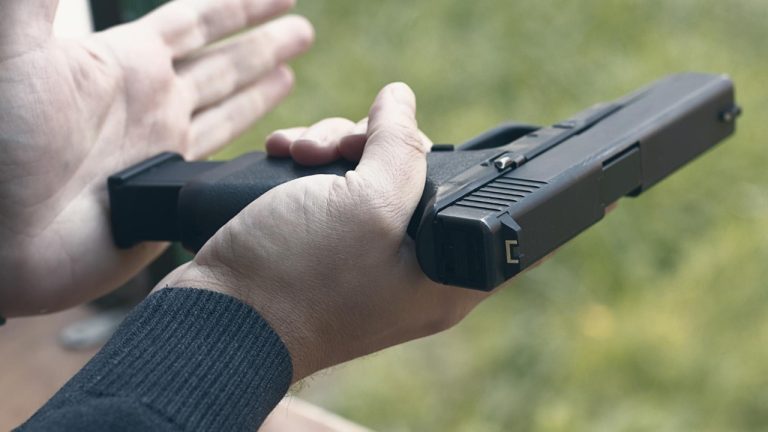
Classes fill quickly these days, with many attendees handling a firearm for the first time. Instructors walk through basics like safe storage, handling, and legal requirements. Sessions often take place in suburban or rural spots near major cities, making them accessible to people who live far from traditional gun hubs.
You picture a typical Saturday morning group. Participants range from young professionals to parents concerned about family security. Discussions stay practical, covering everything from range etiquette to home defense basics. The atmosphere remains calm and focused, helping newcomers move past initial nerves through hands-on practice and clear guidance.
Concerns about safety and proper handling
New owners emphasize responsible use above all else. They prioritize secure storage and ongoing training to avoid accidents. Many seek out resources that align with their values, ensuring they approach ownership with the same caution they apply to other areas of life.
You talk with people who treat this seriously from day one. They research laws in their state and commit to regular practice. The goal remains protection without recklessness. This careful mindset counters any notion that the decision comes lightly, showing instead a deliberate effort to integrate firearms into daily routines thoughtfully.
How this trend challenges old assumptions
The image of gun owners has started to expand beyond long-held stereotypes. More diverse faces appear at ranges and in club meetings, including women, minorities, and urban professionals who lean progressive. This evolution slowly reshapes public perceptions of who participates in firearm culture.
You see the data support a broader picture. Ownership rates among Democrats have edged upward over time, with recent years showing faster growth in certain demographics. The change does not erase existing divides, but it complicates the narrative that firearms belong only to one political group. Conversations become more nuanced as a result.
Conversations within families and circles
Bringing up the topic at home or with friends often leads to thoughtful exchanges. Some family members express surprise, while others offer support based on shared safety concerns. The discussions stay grounded in personal experiences rather than abstract arguments.
You might find yourself explaining the reasoning to relatives who hold different views. Many keep the focus on practical steps like training and storage. These talks reveal how the decision affects relationships, fostering understanding even when opinions differ on larger gun policy questions.
Looking ahead to what this trend might bring
The movement continues to evolve as more people gain experience and share what they learn. It raises questions about how this segment influences ongoing debates around firearms and regulation. Participants often advocate for balanced approaches that respect rights while addressing public safety.
You consider the longer-term possibilities. Greater participation from left-leaning Americans could lead to more varied voices in policy conversations. The trend highlights a shared human impulse for security amid change. How it develops will depend on events still unfolding, but it already signals a more layered reality in American gun culture.

Asher was raised in the woods and on the water, and it shows. He’s logged more hours behind a rifle and under a heavy pack than most men twice his age.