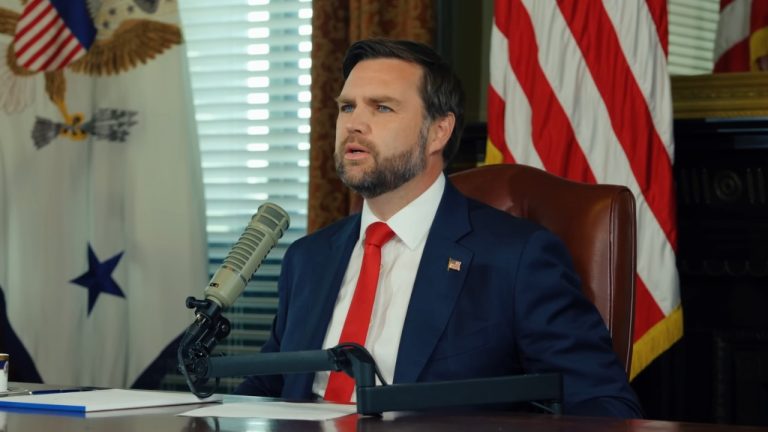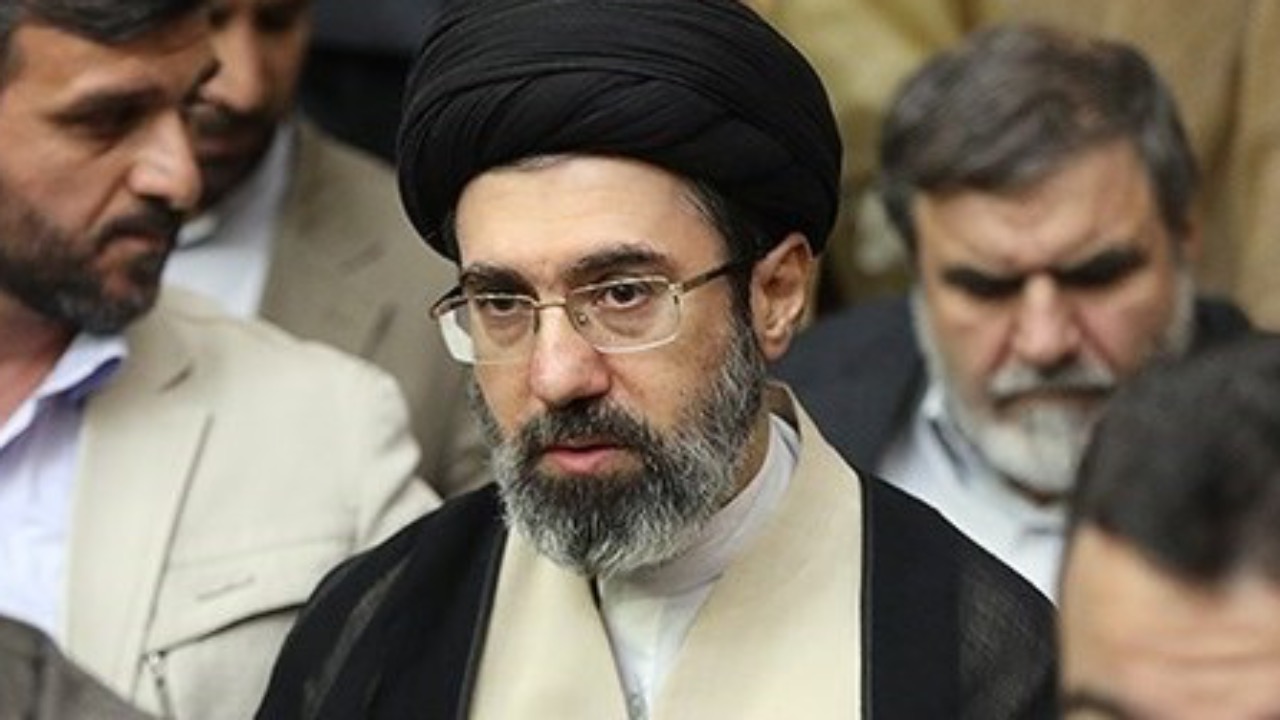
Iran warns U.S. forces as Marines deploy — tensions rise fast
You’ve seen this kind of situation before. It starts with a deployment, a warning, and a handful of statements that don’t sound like much on their own. Then you step back and realize how quickly things are stacking up.
Right now, tensions between Iran and the United States are moving in that direction again. A Marine deployment, paired with sharp rhetoric out of Tehran, has people paying attention for a reason. This isn’t unfamiliar ground—but that doesn’t make it harmless. Here’s what you’re actually looking at.
Marines Deploy as a Signal, Not Just a Move
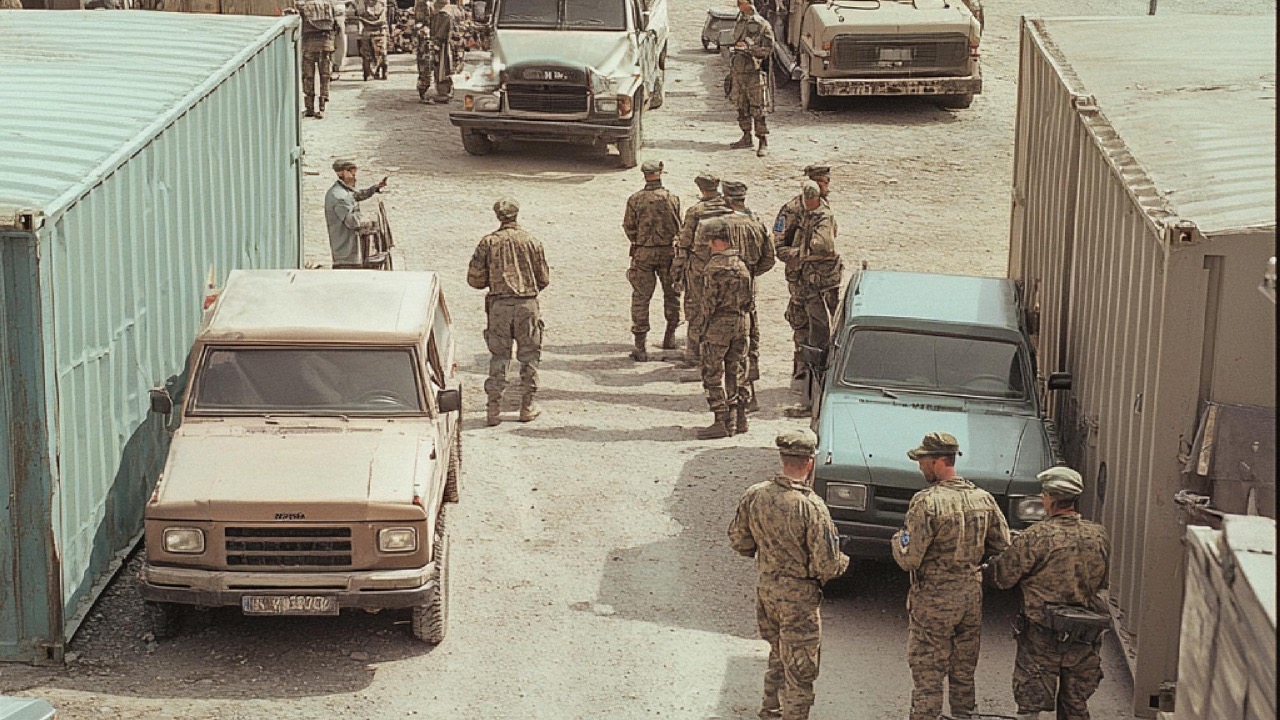
When you hear that U.S. Marines are deploying, it’s not random. It’s a calculated signal. The United States Marine Corpsis often used when leadership wants a visible, immediate presence.
You’re not necessarily looking at a push toward conflict, but you are looking at positioning. Marines are fast, flexible, and built for uncertain situations. That kind of deployment tells you leadership wants options on the table. It also sends a message to anyone watching that the U.S. is ready to respond if things shift. Even without shots fired, that kind of movement raises the temperature.
Iran’s Warnings Follow a Familiar Pattern
Iran’s response hasn’t been subtle. Officials have issued warnings aimed directly at U.S. forces, using language meant to deter and project strength.
This isn’t new territory for Iran. Public statements like these are part of a long-running pattern—push back hard in words, avoid appearing weak, and keep regional influence intact. The tone matters, even if it doesn’t always lead to immediate action. When rhetoric sharpens, it reflects pressure building behind the scenes. You’re hearing the surface-level version of a deeper standoff that’s been running for years.
The Persian Gulf Remains a Pressure Point
Most of this tension circles back to one place—the Persian Gulf. It’s tight, busy, and critical to global energy movement.
You’ve got naval traffic, oil shipments, and multiple military forces operating in close quarters. That creates risk. A single misstep—an aggressive maneuver, a misread signal—can spiral faster than anyone intends. When Marines deploy and Iran responds, this is the backdrop. It’s not an empty map. It’s a crowded, high-stakes stretch of water where small incidents can carry outsized consequences.
Proxy Groups Complicate the Situation
You’re not only dealing with two countries facing off. Iran has ties to armed groups across the region, and those groups don’t always move in predictable ways.
That adds layers. Even if the U.S. and Iran avoid direct conflict, smaller-scale attacks or confrontations can still happen through these channels. It creates distance while still applying pressure. For you, it means the situation can shift without a formal declaration or clear starting point. Things can escalate in pieces, making it harder to track and harder to control once it starts moving.
Past Clashes Still Shape Today’s Moves
None of this is happening in a vacuum. There’s history here—close calls at sea, strikes, and periods where things got uncomfortably close to open conflict.
Both sides remember those moments, and that shapes how they act now. Decisions are made with past outcomes in mind. That can cut both ways. Experience can prevent mistakes, but it can also harden positions. When you see deployments and warnings lining up again, you’re watching two sides that have been through this before and know how quickly it can tip.
Communication Channels Matter More Than Ever
When tensions rise, quiet communication becomes critical. Backchannel talks, intermediaries, and diplomatic signals often carry more weight than public statements.
You won’t see most of it, but it’s there. Those lines help prevent misunderstandings and give both sides a way to step back without losing face. Without them, every move risks being misread. In a situation like this, where forces are moving and warnings are public, clear communication behind the scenes is one of the few things keeping it from going further.
The Situation Can Change Faster Than It Looks
From the outside, it can seem like a slow build. Statements, deployments, reactions—it all unfolds in steps. But once things cross a certain line, the pace changes.
You’re dealing with military assets already in place, heightened alert levels, and decision-makers under pressure. That shortens the timeline. What looks stable one day can shift quickly the next. It doesn’t guarantee conflict, but it does mean you’re looking at a situation where momentum matters, and small developments can carry more weight than they appear to at first glance.
You don’t need dramatic headlines to see what’s happening here. Marines moving in, warnings coming out, and a region that’s always a little closer to the edge than it looks.
You’ve seen this pattern before. The difference now is how quickly things can move once they start.

Asher was raised in the woods and on the water, and it shows. He’s logged more hours behind a rifle and under a heavy pack than most men twice his age.