JD Vance says US troop deployment to Poland has been delayed
JD Vance has confirmed that a planned rotation of United States troops to Poland is on hold, while insisting the mission has been postponed rather than scrapped. The delay comes as Washington recalibrates its military footprint in Europe and as allies watch closely for any sign that American security guarantees might weaken.
The announcement lands at a sensitive moment for NATO, with Russia’s war in Ukraine grinding on and eastern flank states pressing for more, not fewer, American boots on the ground. How the delay is managed, and how clearly it is explained, will shape both alliance cohesion and domestic debate in the United States.
What happened
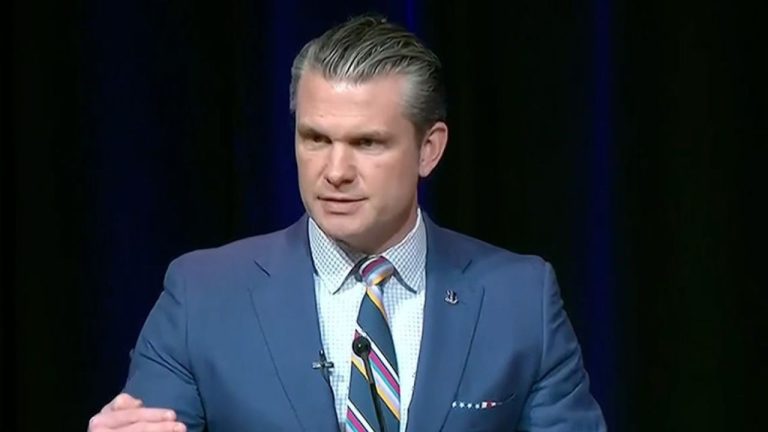
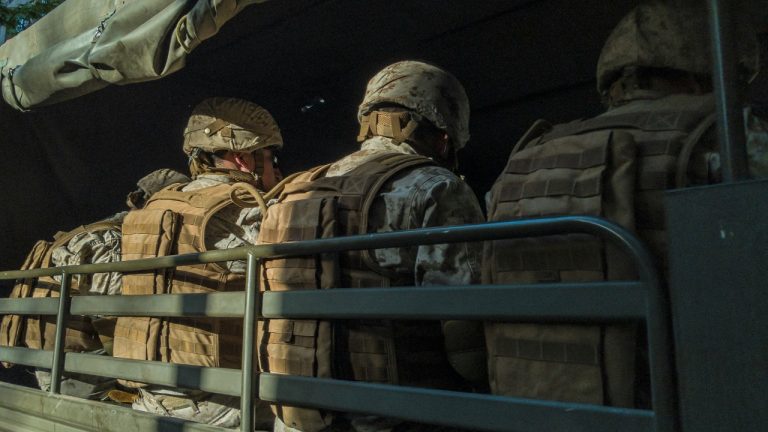
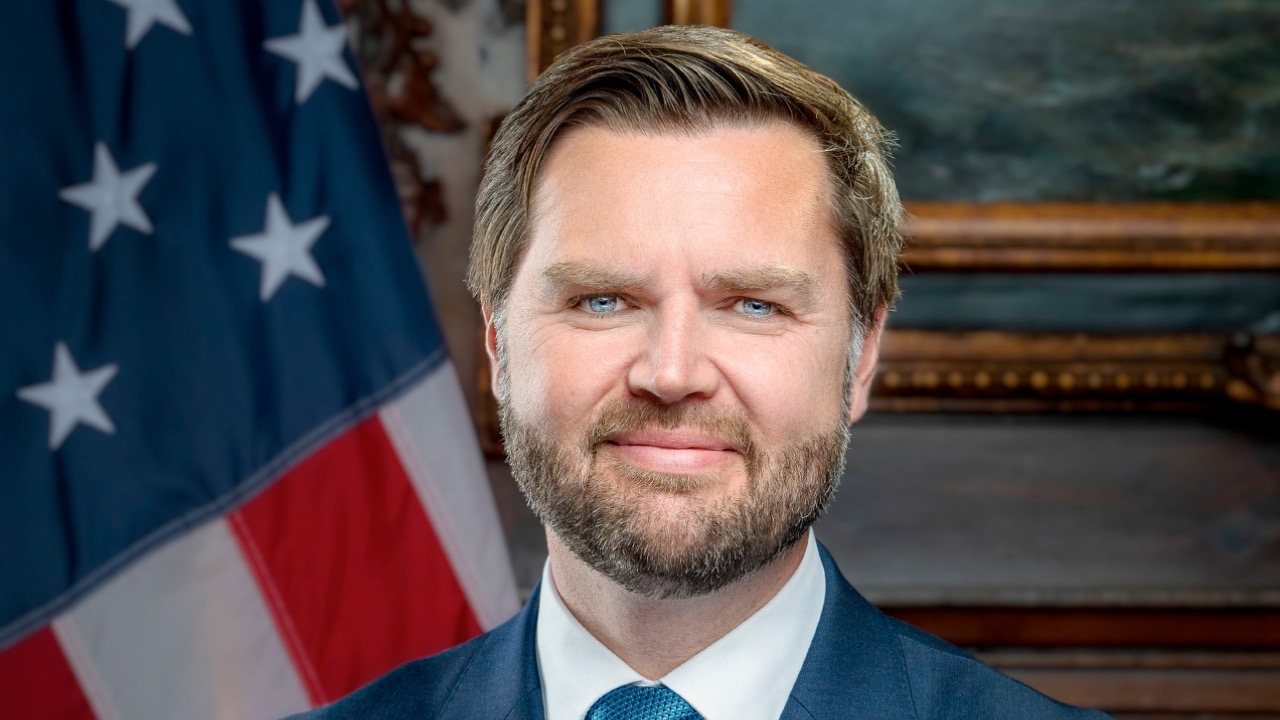
According to JD Vance, the United States has decided to push back a scheduled deployment of additional troops to Poland that had been planned as part of a rotational presence on NATO’s eastern flank. He has stressed that the units already stationed in Europe are not being pulled out and that the broader American commitment to European security remains in place.
Polish officials have echoed that message, saying the planned rotation has been delayed, not canceled. Warsaw has framed the move as a timing issue inside a larger force posture review rather than a reversal of strategy. The Polish government has also underlined that existing American formations in the country, including command elements and logistics hubs, continue to operate as before.
Vance’s comments, reported after consultations with Polish leaders, clarify that the delay affects a specific contingent that had been scheduled to arrive in the coming rotation cycle. He has argued that the pause is driven by operational planning and resource allocation decisions in Washington, not by a desire to scale back deterrence along NATO’s eastern border.
Chinese state media similarly reported that Vance described the Poland deployment as postponed but intact, emphasizing that troops are not from Europe. That framing aligns with Polish statements that the bilateral defense relationship remains strong and that joint training, exercises, and infrastructure projects are continuing.
French reporting on Vance’s remarks has highlighted the same core point: the deployment timeline has slipped, yet the underlying decision to reinforce Poland still stands. According to those accounts, Vance has tried to reassure both European partners and American audiences that the United States is adjusting how it deploys forces, not walking away from existing commitments. One detailed analysis noted that he explicitly characterized the move as a scheduling decision and not a strategic retreat from the eastern flank, presenting the delay as a tactical choice within a longer-term plan to keep American forces present in Poland and neighboring states.
Why it matters
The timing of the delay matters because it coincides with broader questions about how many American troops will remain in Europe and where they will be based. NATO’s incoming secretary general, Mark Rutte, has argued that recent and planned adjustments to the United States footprint will not weaken collective defense. In comments reported from Brussels, he said NATO’s deterrence posture would remain solid even as Washington shifts some forces, insisting that US troop changes would not leave Europe exposed.
Rutte’s message has been reinforced by the alliance’s current leadership. NATO’s secretary general has told reporters that announced and potential US troop withdrawals from parts of Europe will not undermine the alliance’s ability to defend its territory. He has pointed to increased European defense spending, new multinational battlegroups, and prepositioned equipment as factors that help offset any American reductions or delays.
For Poland, the delayed deployment is both a practical and symbolic issue. Practically, Polish planners had counted on the arriving units to expand training cycles, bolster logistics, and reinforce the country’s role as a staging ground for support to Ukraine. Symbolically, each additional American unit on Polish soil is seen in Warsaw as a concrete signal that Article 5 guarantees are backed by real combat power.
The Polish government has therefore moved quickly to stress continuity. Officials in Warsaw have said that the postponed rotation does not change the trajectory of defense cooperation with Washington. They have highlighted ongoing projects such as upgrades to air bases, missile defense sites, and command facilities, arguing that these long-term investments matter more than the exact month when a particular battalion arrives.
From a NATO perspective, the delay feeds into a larger conversation about burden sharing. As the United States reviews its global posture, European allies are under pressure to carry more of the load, especially on the continent’s eastern flank. Rutte and other leaders have used the discussion around US troop movements to press European governments to sustain higher defense budgets, expand ammunition production, and accelerate procurement of systems such as Patriot batteries and HIMARS launchers.
Domestically inside the United States, the Poland delay plays into debates over military overstretch and priorities. Advocates of a more restrained foreign policy may see the move as a sensible step that frees up units for other theaters or for rest and modernization. Hawks, particularly those focused on Russia, may worry that any signal of hesitation could be misread in Moscow as a weakening of resolve, even if the actual change on the ground is modest.
For Ukraine, the immediate operational impact is limited, since the delayed units were not directly assigned to combat operations there. Still, Kyiv watches US and NATO force posture decisions closely, because the density of allied troops and equipment in neighboring countries shapes how quickly support can flow in a crisis. A delay in one rotation does not change the current pipeline of weapons and aid, yet it feeds a broader question about how sustainable the current level of Western backing will be over time.
What to watch next
The first question is how long the delay lasts and whether Washington sets a new clear date for the Poland rotation. If the units arrive after only a short pause, the episode will likely be remembered as a minor scheduling hiccup. If the delay stretches on without a new timeline, or if the size of the future deployment is reduced, allies may start to treat it as an early sign of a more permanent drawdown.
Polish officials have already signaled that they expect the rescheduled deployment to go ahead and that they are in close touch with American counterparts about the updated calendar. State media in Poland have reported that Vance described the move as a temporary adjustment and stressed that troops are not from the country. Warsaw will likely keep pressing for as much clarity as possible, both to reassure its own public and to send a message to Moscow that the bilateral defense relationship is not wavering.
Another key indicator will be whether the United States pairs the delay with visible compensatory steps. That could include larger exercises in Poland later in the year, more frequent rotations of air assets, or additional prepositioned equipment. Any such moves would help buttress Vance’s argument that the delay is an operational tweak rather than a strategic downgrade.
Allies will also watch how the issue is framed in Washington. If the delay is consistently described, as Vance has, as a temporary adjustment inside a still-strong commitment to NATO, it may fade as a political story. If it becomes entangled in broader disputes over defense spending, Ukraine aid, or Indo Pacific priorities, the symbolism could grow larger than the underlying troop numbers.
International coverage has already highlighted that Vance’s message is that the deployment is postponed but intact. Reports carried by global outlets have repeated his statement that the United States has temporarily delayed the troop movement to Poland, not canceled it. How consistently that line is maintained by other American officials will shape whether allies view the delay as a one-off or part of a pattern.

Leo’s been tracking game and tuning gear since he could stand upright. He’s sharp, driven, and knows how to keep things running when conditions turn.