Jesse Watters spotlights huge fentanyl seizure during Los Angeles drug park raid
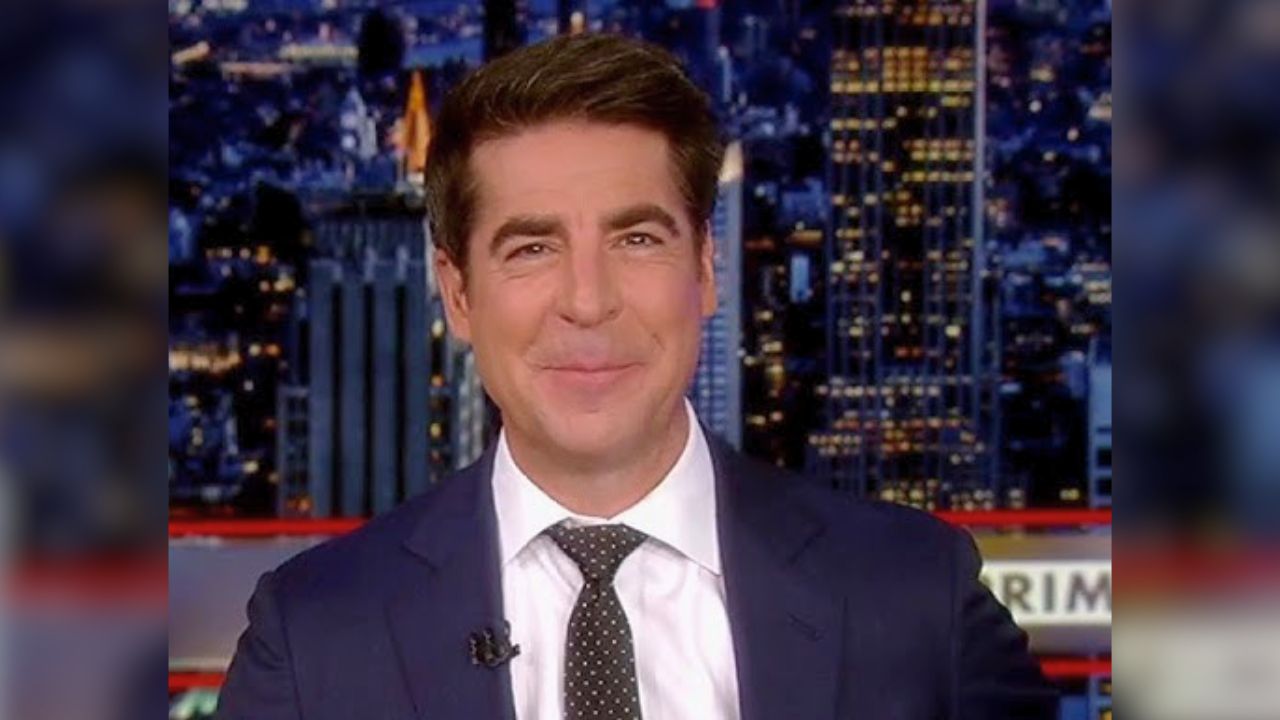
A major drug raid in Los Angeles gained national attention after Jesse Watters discussed the operation during a recent segment focused on crime and fentanyl trafficking. Authorities reportedly uncovered a large amount of fentanyl during the raid, which took place in an area that local officials and residents have linked to ongoing drug activity and public safety concerns.
The operation quickly became part of a wider debate over crime policy, homelessness, and how cities are responding to open-air drug use. Supporters of tougher enforcement pointed to the seizure as evidence that large-scale trafficking remains active in parts of Los Angeles, while critics argued that enforcement alone will not solve deeper addiction and mental health problems connected to the crisis.
What authorities reportedly found during the raid
According to officials involved in the operation, law enforcement recovered significant quantities of fentanyl along with other narcotics and drug-related materials. Raids like this are often part of broader investigations targeting distribution networks rather than just individual users.
Fentanyl has become one of the biggest concerns for law enforcement agencies across the United States because of how potent it is in small amounts. Even relatively small seizures can represent thousands of potentially dangerous doses, which is why operations involving fentanyl tend to receive heavy media attention once details are released publicly.
Why fentanyl remains a major national issue
Fentanyl continues to play a central role in the ongoing overdose crisis in the U.S. Public health officials have warned for years that illegally manufactured fentanyl is being mixed into other drugs, sometimes without users even knowing it.
That has made overdoses more unpredictable and far more deadly. Cities across the country, including Los Angeles, have struggled with how to balance enforcement, addiction treatment, and public safety as fentanyl spreads deeper into local drug markets.
The focus on Los Angeles and open-air drug activity
The Los Angeles raid also renewed discussion around public drug activity in certain parts of the city. Areas sometimes referred to by critics as “drug parks” have become flashpoints in political debates over policing and urban policy.
Some residents say stronger enforcement is needed to make public spaces safer, while others argue the situation reflects broader failures involving housing costs, mental health care, and addiction services. The disagreement has become increasingly political as national media outlets spotlight conditions in major cities.
Media coverage and political reactions
Watters’ coverage of the raid framed the seizure as part of a larger breakdown in law and order, a message that resonates strongly with audiences concerned about rising crime and visible drug use. Segments like these often fuel broader political arguments about how cities and states should respond to the fentanyl crisis.
Others caution that television coverage can sometimes oversimplify complicated problems by focusing heavily on dramatic visuals and seizures without fully addressing the long-term causes of addiction and trafficking. Still, the raid itself highlights how serious the fentanyl issue has become for communities and law enforcement alike.
What happens after large drug seizures
After major seizures, investigators usually focus on tracing where the drugs came from and whether larger trafficking organizations are connected to the operation. Arrests made during raids can sometimes lead to broader investigations involving suppliers, transportation routes, and financial networks.
At the same time, officials often face pressure to show whether these operations create lasting change in affected neighborhoods. Critics of enforcement-only approaches argue that raids may temporarily disrupt activity without solving the larger cycle of addiction and trafficking that keeps returning to the same areas.

Leo’s been tracking game and tuning gear since he could stand upright. He’s sharp, driven, and knows how to keep things running when conditions turn.