Jimmy Kimmel: “Trump Has Three Wars on His Hands Right Now – the Iranians, the Ukrainians and the Comedians”
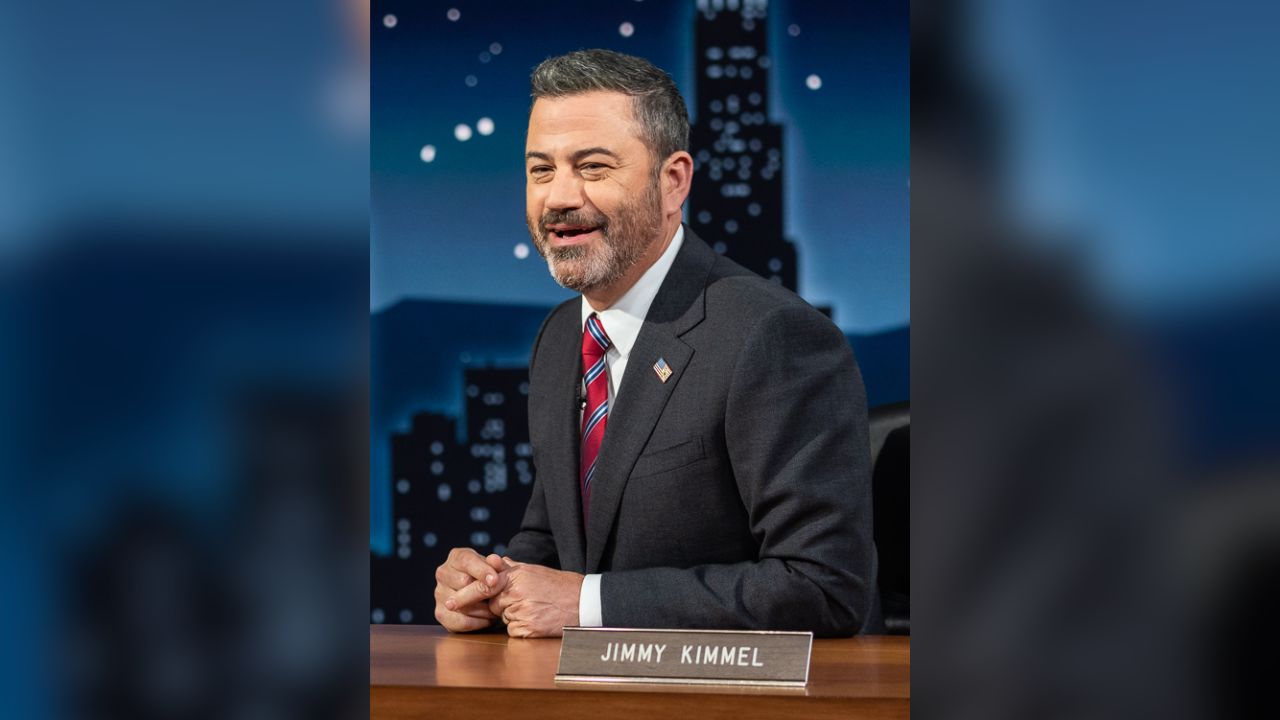
Late-night host Jimmy Kimmel is once again blending politics and comedy in a way that gets attention fast. During a recent monologue, Kimmel joked about former President Donald Trump being “at war on three fronts,” naming Iran, Ukraine, and comedians as the opponents.
The line was clearly delivered as satire, but it landed in a way that sparked discussion online, especially because it mixed ongoing global conflicts with political humor in the same breath.
A Classic Late-Night Style Joke

Kimmel has long used his monologues to comment on current events through humor, often exaggerating real-world tensions for comedic effect. This latest remark followed that same pattern, framing serious geopolitical issues alongside his own industry.
The inclusion of “comedians” as a third “war” was the punchline, pointing to ongoing clashes between political figures and late-night hosts who regularly criticize them.
Why the Joke Got Attention
Part of why the comment spread quickly is the way it compresses several major topics into a single line. References to Iran and Ukraine carry obvious weight on their own, but pairing them with comedy created a contrast that made the joke stand out.
Online reactions were split in a familiar way. Some saw it as typical late-night exaggeration meant to entertain, while others felt it blurred the line between humor and serious global issues.
Politics and Late-Night Television Colliding
This isn’t new territory for Kimmel or other late-night hosts. Political commentary has become a regular part of comedy shows, especially during election cycles and periods of international tension.
Trump, in particular, has frequently been a target of jokes across multiple shows, and responses from political circles have at times turned those jokes into broader talking points about media bias and entertainment influence.
Why Moments Like This Spread Quickly
Clips like this tend to travel fast online because they sit at the intersection of humor and controversy. Even people who don’t watch late-night television often see the most pointed lines clipped and shared on social platforms.
Once that happens, the context can shift depending on who’s sharing it — as comedy, criticism, or commentary on current events.
The Bigger Picture
At its core, Kimmel’s line is another example of how late-night comedy continues to operate in a politically charged space. What starts as a punchline in a studio often turns into a wider conversation once it reaches the internet.
And in today’s media environment, even a single sentence can quickly take on a life of its own once it leaves the stage.

Leo’s been tracking game and tuning gear since he could stand upright. He’s sharp, driven, and knows how to keep things running when conditions turn.