Kamala Harris Asserts Netanyahu Drew Trump Into Unwanted Conflict With Iran
Kamala Harris recently stepped up with a direct challenge to how President Donald Trump approached the conflict with Iran. Her comments zero in on the idea that Israeli Prime Minister Benjamin Netanyahu played a central part in pulling the United States into military action. This came during a period when the operation had already wound down into a ceasefire, yet questions about its origins and costs remain fresh. The former vice president framed the episode as one that did not reflect what most Americans wanted, and she tied it to larger concerns about leadership and priorities at home. Her remarks offer a window into ongoing debates about foreign policy decisions and their ripple effects across the country.
Harris Addresses the Crowd in Michigan
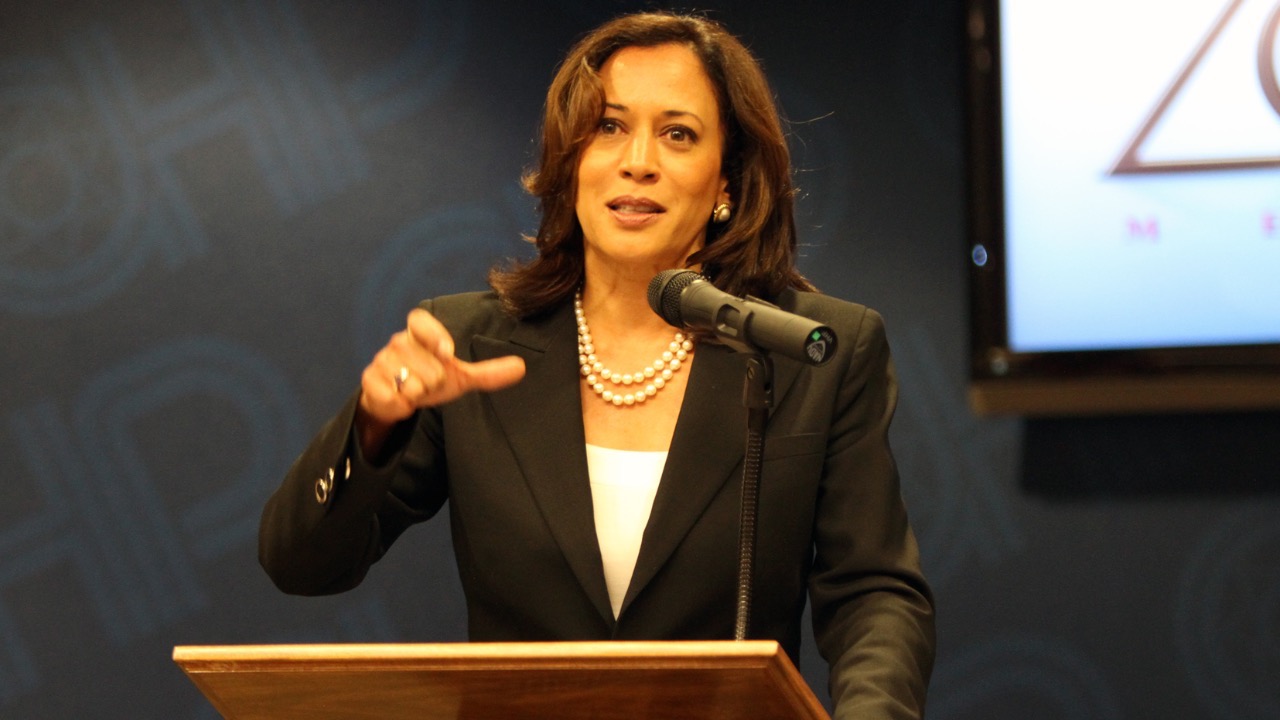
When you follow recent political events, you see Harris delivering her remarks at a luncheon put on by the Michigan Democratic Women’s Caucus in Detroit on April 18. Around three hundred people filled the room at Huntington Place as she laid out her perspective on the administration’s choices. She spoke plainly about the risks involved and the sense that external pressure shaped the path taken. The setting felt like a straightforward gathering of party supporters rather than a grand stage, yet her words traveled far beyond the hall. She positioned the conflict as something that deserved closer scrutiny from everyone paying attention to how decisions get made in Washington.
Her delivery stayed measured while hitting key points about American service members and public sentiment. You notice how she connected the dots between the operation abroad and pressures felt back home. The audience listened closely as she outlined her view that the move did not stem from an independent American strategy alone.
Her Take on How the Conflict Started
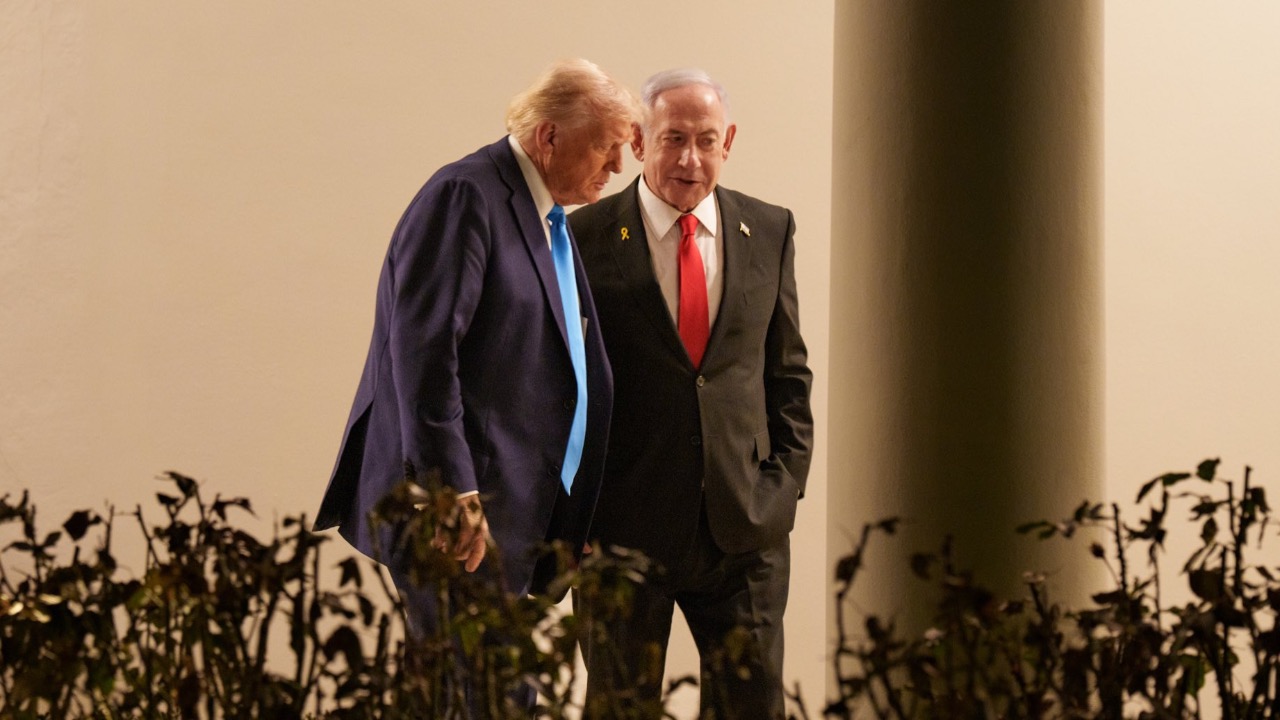
Harris stated clearly that Trump entered the war after getting pulled in by Netanyahu. She used the phrase “let us be clear” to emphasize her point during the speech. In her assessment, the action represented a war the American people did not support, one that placed troops in harm’s way. She described it as unnecessary and driven more by outside influence than by core national interests.
You can see why this framing matters in the current climate. Harris argued that the president allowed foreign considerations to guide military engagement in ways that departed from traditional alliance responsibilities. She suggested the decision reflected a pattern of prioritizing certain relationships over broader stability. The former vice president tied the timing to domestic distractions, including ongoing controversies that she said the conflict helped shift attention away from.
Inside Operation Epic Fury
The military campaign known as Operation Epic Fury began on February 28 when U.S. forces, working alongside Israel, launched extensive strikes across Iran. The stated goals included destroying ballistic missile and drone capabilities, taking out naval assets, and hitting defense production sites to limit Iran’s ability to project power. Over the next several weeks, thousands of targets came under attack through air sorties and other operations.
By early April the major combat phase wrapped up in about 38 days, leading to a ceasefire agreement that included reopening the Strait of Hormuz. You look at the numbers and realize the scale involved more than ten thousand sorties and strikes on command centers, air defenses, and manufacturing facilities. The effort aimed to prevent nuclear advances and degrade related infrastructure, though full outcomes continue to unfold through ongoing talks.
The Israeli Side of the Story
Netanyahu has pushed back firmly against the notion that he steered the United States into the fight. He has called the suggestion fake news and stressed that Trump based every call on what he saw as best for America. Israeli officials described their own parallel operation, sometimes referred to in connection with the broader campaign, as focused on immediate threats from Iranian military sites.
You hear the prime minister’s team insist the partnership reflected shared security concerns rather than one side dictating terms. They point to long-standing cooperation on regional issues and argue the strikes served mutual interests without coercion. Public statements from Jerusalem continue to frame the action as a necessary response to capabilities that posed risks to both nations.
Trump’s Direct Response
President Trump addressed the criticism head-on by stating that Israel never talked him into the war. His comments came as reports circulated about the decision-making process behind the February strikes. He maintained that the operation aligned with his own assessment of threats and U.S. priorities.
You see the White House framing the results as a clear success achieved through American strength. Trump highlighted the rapid achievement of military objectives and the subsequent ceasefire as proof that the approach worked. Officials emphasized that the president directed the effort based on intelligence and strategic needs, rejecting any portrayal of external control over the timeline or scope.
The Domestic Angle Harris Highlighted
Harris linked the conflict to rising costs felt by families across the country, including higher gas prices that added roughly fifteen dollars to the average fill-up. She argued the operation served partly as a distraction from domestic challenges and legal matters that have drawn attention in recent months. In her view, the administration’s focus abroad came at the expense of addressing everyday economic pressures at home.
You notice how she described the broader impact on America’s standing with allies and its adherence to international norms around sovereignty. She called the current leadership the most corrupt, callous, and incompetent in history, pointing to what she sees as eroded influence on the world stage. Her remarks suggested the episode revealed deeper choices about where national resources and attention go when tensions rise.
Where Things Stand Now
A temporary ceasefire took hold in early April, with Iran agreeing to pause hostilities and reopen key shipping routes while peace negotiations continue. Both sides report progress in some areas, though underlying issues around nuclear capabilities and regional security remain on the table. You follow the updates and see that the situation has shifted from active combat to diplomatic maneuvering.
The episode leaves open questions about long-term costs and lessons for future policy. Harris’s comments reflect one side of an active debate that will likely shape discussions heading into future election cycles. As more details emerge from the operation and its aftermath, the public conversation keeps turning back to how these choices affect security, the economy, and America’s place in the world.

Asher was raised in the woods and on the water, and it shows. He’s logged more hours behind a rifle and under a heavy pack than most men twice his age.