Ebola concerns grow as officials describe US response as ‘unprecedented’
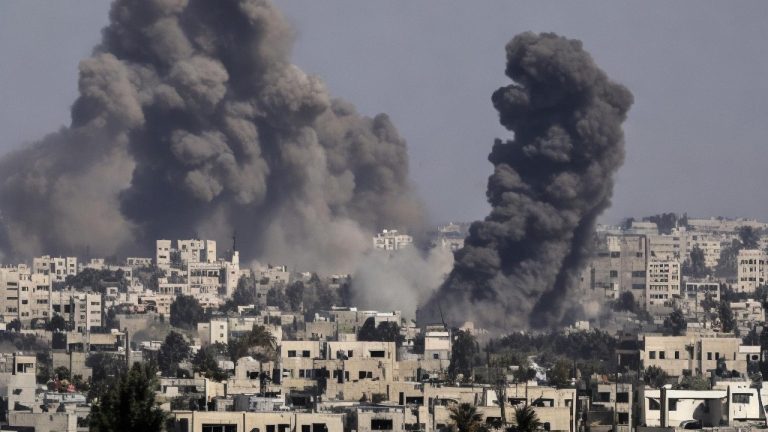
Health authorities are closely watching a fast-moving Ebola outbreak centered in northeastern Democratic Republic of Congo, with cases crossing into Uganda. This strain, known as Bundibugyo virus, lacks approved vaccines or specific treatments, unlike some previous variants. Officials have declared it a public health emergency of international concern. In the United States, federal agencies have rolled out travel restrictions and screening protocols that mark a shift from past approaches. You might wonder how this distant crisis could affect daily life here, especially with one American doctor already infected and others being relocated for monitoring.
The situation remains contained outside Africa for now, but experts point to underlying vulnerabilities in global health systems. Years of changes in funding and staffing have left some response capabilities thinner than before. As numbers climb—with hundreds of suspected cases and deaths reported—questions linger about whether early actions will hold.
The scale of the outbreak in Central Africa
Cases first surfaced in Ituri Province, an area marked by insecurity, displacement, and cross-border movement. Health teams have recorded over a thousand suspected infections alongside confirmed laboratory cases, with fatalities mounting quickly. The virus spreads through direct contact with bodily fluids, making crowded settings and inadequate medical facilities particularly risky.
Local responders, supported by international groups like Doctors Without Borders, face challenges reaching remote communities. Population movements tied to mining and trade complicate efforts to trace contacts. You see how fragile infrastructure in the region allows the disease to gain ground faster than containment measures can keep up.
Travel restrictions and entry screening
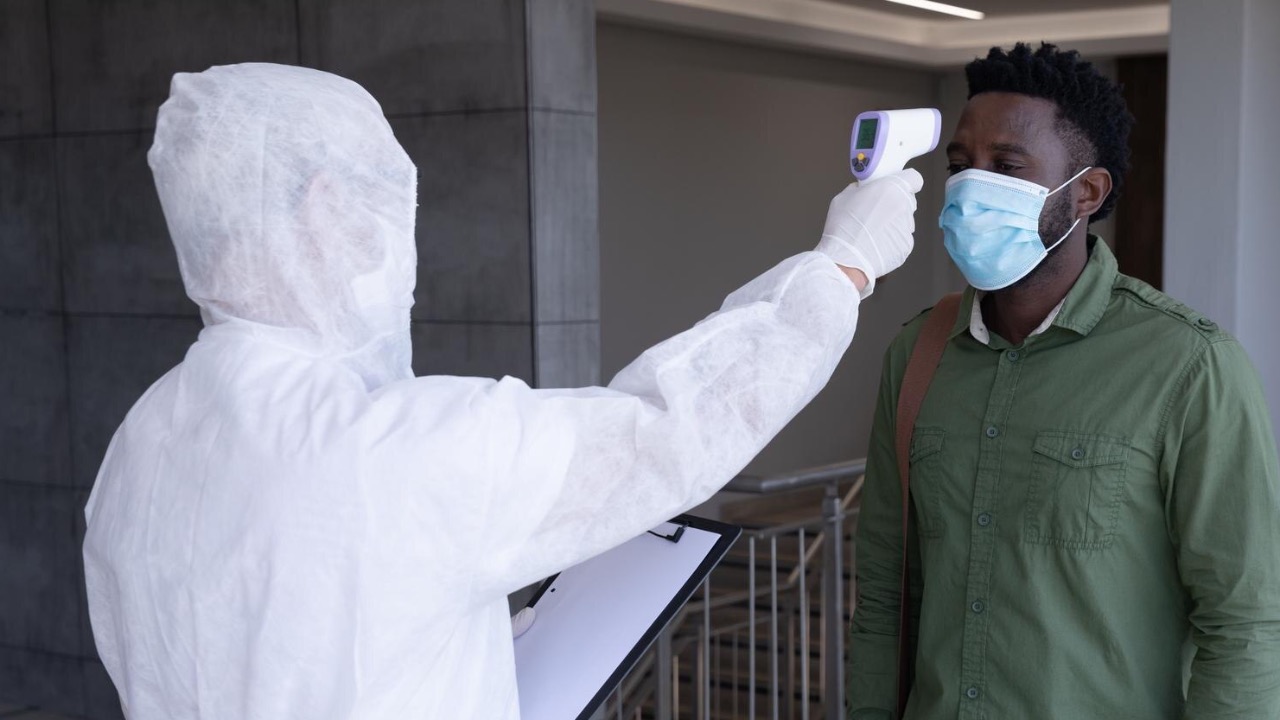
Federal officials activated enhanced screening at designated airports for anyone arriving from affected zones. Non-U.S. passport holders who recently visited DRC, Uganda, or South Sudan face entry limits under a temporary public health order. These steps aim to reduce the chance of imported cases while allowing American citizens to return under monitoring.
Public health teams conduct symptom checks and follow-up guidance for travelers. This coordinated push across agencies reflects a deliberate strategy to keep transmission away from U.S. soil. Everyday travelers receive notices advising against nonessential trips to the hardest-hit provinces.
Relocating affected Americans
One U.S. doctor who contracted the virus in the field was moved to a facility in Europe for care rather than brought stateside. Several other Americans received similar arrangements for observation. This approach differs from earlier outbreaks, where exposed citizens often returned to specialized U.S. treatment centers.
Health leaders emphasize safety for both the individuals and the broader population. The decision draws on risk assessments for this particular strain and current domestic capacity. You may find it reassuring to know no linked cases have appeared in the United States so far.
Questions about preparedness and resources
Recent shifts in global health funding and agency structures have reduced some longstanding networks for early detection abroad. Critics note that fewer dedicated staff and disrupted programs could slow future responses. The current outbreak tests how well remaining systems perform under pressure.
Officials maintain that core domestic protections remain strong. CDC teams continue surveillance and laboratory work to stay ahead of any potential introduction. Still, the episode highlights ongoing debates about sustaining readiness between crises.
Global coordination and next steps
International partners work alongside African health ministries on contact tracing, community education, and supply distribution. The absence of specific tools for this virus strain adds urgency to research efforts already underway. WHO and other groups warn of risks if the outbreak expands further regionally.
In the United States, agencies stress that personal risk stays low with basic precautions. You can stay informed through official updates and avoid unnecessary travel to outbreak areas. Continued vigilance and support for on-the-ground response offer the best path forward while the situation evolves.

Asher was raised in the woods and on the water, and it shows. He’s logged more hours behind a rifle and under a heavy pack than most men twice his age.