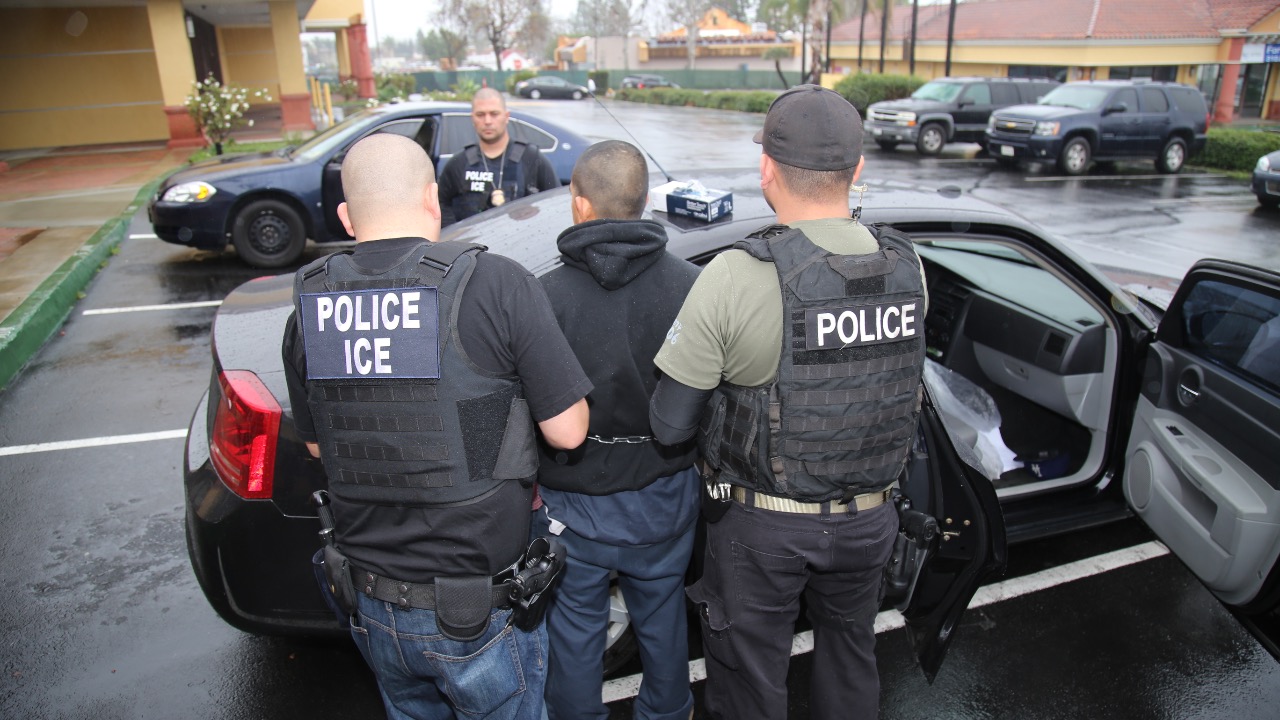
Lawmakers Warn Black and Latino Citizens Could Be at Risk as ICE Acknowledges Use of Spyware
Immigration and Customs Enforcement has confirmed it is using powerful spyware capable of hacking phones, intercepting encrypted messages, accessing photos, and tracking locations. The revelation has triggered sharp warnings from lawmakers that U.S. citizens — particularly Black and Latino communities — could face unwarranted surveillance.
The tool in question is Graphite, developed by the Israeli firm Paragon Solutions. ICE says it is being used to fight fentanyl trafficking networks that rely on encrypted communications. But critics argue the technology is too invasive and risks being misused.
Confirmation that raised alarms

In a letter dated April 1, 2026, ICE’s acting director Todd Lyons told Congress the agency is deploying “cutting-edge technological tools” to disrupt criminal organizations. The admission came months after Democratic lawmakers first demanded answers about the spyware’s use inside the United States.
Rep. Summer Lee (D-Pa.) and colleagues expressed deep concern. Lee stated that the response from ICE shows the agency is moving forward with “invasive spyware technology inside the United States.” She highlighted that immigrants, Black and brown communities, journalists, organizers, and government critics could be most at risk from an agency with a documented history of overreach.
Why communities of color are highlighted
Lawmakers and civil rights advocates point to several factors. Black and Latino Americans make up a significant portion of communities where ICE conducts operations. Past surveillance programs have sometimes swept up large numbers of innocent people through location data, social media monitoring, and neighborhood-level tracking.
Critics worry the spyware could be deployed broadly — not just against confirmed criminals — leading to mass collection of personal data from everyday citizens. The technology’s ability to bypass encryption on apps like WhatsApp and Signal raises serious Fourth Amendment questions about warrantless searches.
ICE’s stated purpose vs. concerns
ICE maintains the spyware targets fentanyl traffickers and serious criminal networks. Officials emphasize it is a tool for national security and public safety. However, the agency has provided limited details on legal safeguards, target selection criteria, or oversight mechanisms to prevent abuse against U.S. citizens.
The timing of the rollout coincides with expanded immigration enforcement and broader use of surveillance tools by DHS and ICE. This has fueled fears of mission creep — where tools bought for one purpose end up being used more widely.
Broader implications
The debate comes as Congress weighs surveillance laws and data privacy protections. Privacy advocates argue that powerful spyware designed for foreign intelligence should face strict limits when used domestically. Once the technology is in government hands, the risk of expansion beyond its original intent is high.
Lawmakers have vowed continued oversight. They are demanding clearer answers on who is being targeted, how data is stored and shared, and what protections exist for American citizens.
The bottom line
Powerful spyware is now part of ICE’s toolkit. While intended to combat fentanyl and criminal organizations, its domestic use has lawmakers warning of serious risks to privacy and civil liberties — especially in Black and Latino communities that have historically faced disproportionate scrutiny.
Whether the tool stays narrowly focused on traffickers or becomes a wider surveillance net remains to be seen. For now, the acknowledgment has intensified calls for transparency and stricter guardrails before more Americans’ phones become open books.

Leo’s been tracking game and tuning gear since he could stand upright. He’s sharp, driven, and knows how to keep things running when conditions turn.