
Six dog breeds most often linked to serious temperament challenges
Emergency room doctors, animal control officers and personal injury lawyers keep seeing the same names when serious dog attacks are reported: Pit Bull Terriers, Rottweiler and German Shepherd. These are not the only dogs that bite, but they are repeatedly linked to the most severe temperament problems, from unpredictable aggression to bites that cause life changing injuries. In this piece, I look at six breeds that appear again and again in bite statistics and legal claims, and explain why they are so often at the center of these hard cases.
Any dog can be dangerous if it is bred or handled badly, yet patterns in insurance files, hospital data and court records show that some breeds carry higher risks than others. By combining those numbers with research on genetics and behavior, I can separate fear driven myths from documented temperament challenges that owners, neighbors and policymakers have to confront.
How experts define “serious temperament challenges”
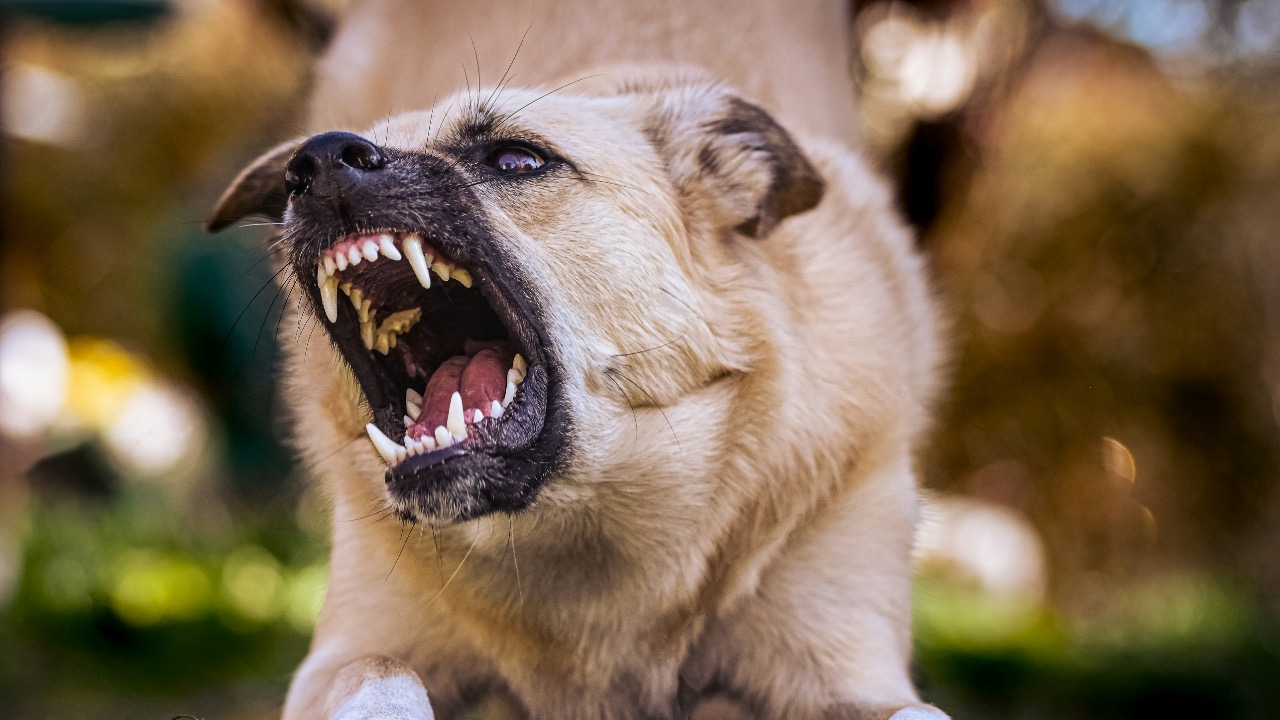
When specialists talk about a dog with a serious temperament problem, they are not describing a single growl or one snapped leash at the park. Instead, they mean patterns of behavior that include repeated attempts to bite, attacks that are hard to interrupt, or incidents that cause severe injury or death. Legal guides that rank the most aggressive dog focus on this kind of sustained or extreme aggression, not everyday nuisance barking.
Medical data on dog attacks by uses a similar standard, tracking cases that need medical care or involve fatalities instead of counting every nip. Behavior researchers also look at whether a dog gives clear warning signals before an attack or seems to switch from calm to violent in seconds, which is a different and more alarming pattern than a stressed animal that growls, shows teeth and then bites only when cornered.
Why breed and behavior are linked but not identical
Genetics shape a dog’s body and instincts, but they do not write its destiny. A large social media discussion of breed and aggression highlights how dogs have been selected for specific jobs, such as guarding, herding or hunting, which can raise the baseline for traits like territorial behavior or prey drive. That history helps explain why certain breeds feature so often in bite reports, but it does not mean every individual from those lines will be dangerous.
In a related research summary shared with the same community, scientists noted that, for the average pet, environment and training still have a huge impact on behavior. I see that tension in almost every case: breed shapes the kind of risk, while human choices decide whether that risk is managed or allowed to grow. The six breeds in focus here sit at the hardest intersection of those forces.
Pit Bull Terriers and pit bull type dogs
No breed is more polarizing than Pit Bull Terriers. Legal and medical reviews that rank Pit Bull Terriers at the top of aggressive breed lists point to their history in bull baiting and dog fighting, which rewarded tenacity, pain tolerance and a willingness to continue an attack. A separate legal guide on dog breeds most treats Pit Bull Terriers and other pit bull type dogs as one group because victims and witnesses often cannot tell the exact lineage once an attack has happened.
Dog bite statistics underline the scale of the problem. One review of Dog Bite Statistics found that Pitbulls were responsible for 66.9% (380) of recorded deaths, a figure that towers over every other category. In the same data set, pit bulls, listed as 346 attacks, and rottweilers, listed as 51 attacks, together made up 76% (397) of fatal attacks, while German shepherds were linked to 24 of the attacks. Those numbers do not prove that every pit bull is unsafe, but they do show that when something goes wrong, this type of dog is far more likely to be involved in the worst outcomes.
Rottweiler
Rottweiler are another breed that appears near the top of almost every high risk list. Guides that rank the Top 10 Mostconsistently include Rottweiler because they combine guarding instincts with a powerful build and a strong bite. A separate list of most dangerous dog also highlights the Rottweiler as a dog that can cause severe bite injuries when it does attack.
In the same set of breed based statistics that track Pitbulls, Rottweiler account for 51 fatal attacks, a smaller raw number but still large enough to keep them near the top of legal and insurance risk lists. Another legal review of most dangerous dog groups Rottweiler with Pit Bulls as examples of dogs that can trigger lawsuits and breed specific rules because of the severity of injuries they inflict when control breaks down.
German Shepherd
German Shepherd are famous as police and military dogs, which hints at both their strengths and their risks. They are large, highly trainable and intensely loyal, but they are also bred to respond quickly to perceived threats. Lists of aggressive dog breeds and guides to dangerous dog breeds both single out the German Shepherd as a dog that can cause severe injuries if poorly handled.
The same fatality review that counted 66.9% (380) deaths from Pitbulls recorded 24 attacks linked to German shepherds. That figure is lower than the pit bull and Rottweiler totals, but it still places the breed among the top contributors to deadly incidents. For families drawn to their intelligence and loyalty, that combination of high drive and physical power means training, socialization and secure fencing are not optional extras, they are basic safety measures.
American Bulldog and Bullmastiff
American Bulldog and Bullmastiff are not as common in city dog parks as pit bulls or German shepherds, yet they appear again and again in legal and medical risk lists. One legal overview of Top 10 Most includes both American Bulldog and Bullmastiff, and a separate review of dangerous dog breeds lists the American Pit Bull Terrier, Rottweiler, German Shepherd and American Bulldog together as breeds that frequently cause severe dog bite injuries.
These dogs share a similar physical profile, with heavy heads, muscular bodies and strong jaws that can do serious damage in a single bite. In practice, I see them most often in rural or exurban cases, where they are used as property guardians or hog hunting dogs and may have less day to day exposure to strangers or children. When owners of American Bulldog or Bullmastiff skip structured socialization, the result can be a powerful animal that reacts with force to anything new, which is exactly the scenario that produces lawsuits and hospital visits.
Spaniels and the shadow of Rage syndrome
Temperament problems are not limited to big guarding or fighting breeds. Neurological research has identified a pattern called Rage syndrome, a rare condition where a dog shows sudden, severe aggression with little or no warning and then appears normal again. A summary of Rage syndrome notes that the English Cocker Spaniel, Belgian Malinois and English Springer Spaniel have been associated with Rage syndrome, which is a very different pattern from the predictable territorial aggression seen in many guard breeds.
Because Rage syndrome is rare and hard to diagnose, it does not appear in broad dog attack statistics the way Pitbulls or Rottweiler do. Yet for families living with an affected English Cocker Spaniel or English Springer Spaniel, the temperament challenge can be even more frightening because it is so unpredictable. Vets who suspect Rage syndrome often recommend strict safety rules around children and, in some cases, euthanasia, which shows how seriously the profession takes this pattern of behavior.
What bite statistics really say about risk
Raw bite counts can mislead, because they reflect how common a breed is as well as how likely it is to attack. A blog that lists the most aggressive dog stresses that some small dogs bite often but rarely cause serious injury, while large dogs with strong jaws may bite less often but do far more damage when they do. Another section of the same guide reminds readers that, any dog can, certain breeds are frequently listed among the most aggressive dog breeds because of the severity of their attacks.
Legal and medical reviews of Dog Bite Statistics try to get closer to real risk by focusing on hospital treated injuries and deaths instead of all bites. When those numbers are sorted by breed, Pitbulls and Rottweiler dominate the fatality column, with German shepherds and a handful of other large working breeds making up most of the rest. That pattern is why these six breeds show up so often in court cases, insurance exclusions and city council debates about dangerous dog rules.
How owners and policymakers can respond
For owners, the lesson is not to panic, but to be realistic. Choosing a breed that appears on multiple lists of most aggressive breeds or most dangerous breeds means taking on extra work and extra liability. That includes early socialization, consistent training, secure fencing and honest conversations with neighbors and family members about how the dog will be managed.
For policymakers, the data on dog attacks by and the research on breed versus behavior suggest that blanket bans are a blunt tool. Targeted rules that focus on owner responsibility, secure housing, mandatory training for high risk breeds and swift action after documented aggression may do more to reduce attacks without punishing responsible owners. The six breeds most often linked to serious temperament challenges are not doomed, but they do demand a higher standard of care from the humans who choose them.

Leo’s been tracking game and tuning gear since he could stand upright. He’s sharp, driven, and knows how to keep things running when conditions turn.