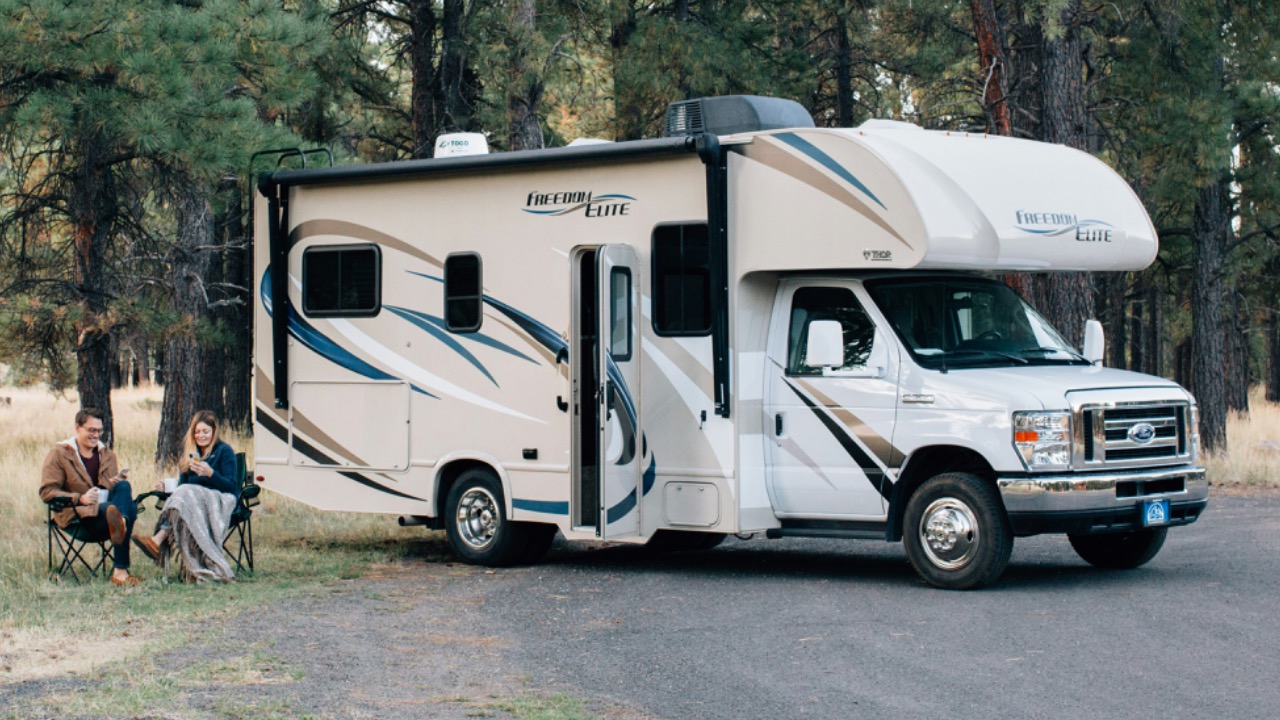
Laws restricting RV living spark debates over private property rights
You’re seeing it more often now—an RV parked on a piece of land, someone trying to make a place for themselves, and a notice taped to the door not long after. What used to fly under the radar is getting pulled into county meetings and city codes across the country.
At the center of it is a hard question: how much control should you have over your own property? For some folks, an RV is a practical way to live. For others, it raises concerns about infrastructure, safety, and land use. The clash isn’t going away, and it’s playing out in real time.
Zoning Laws Are Drawing Hard Lines
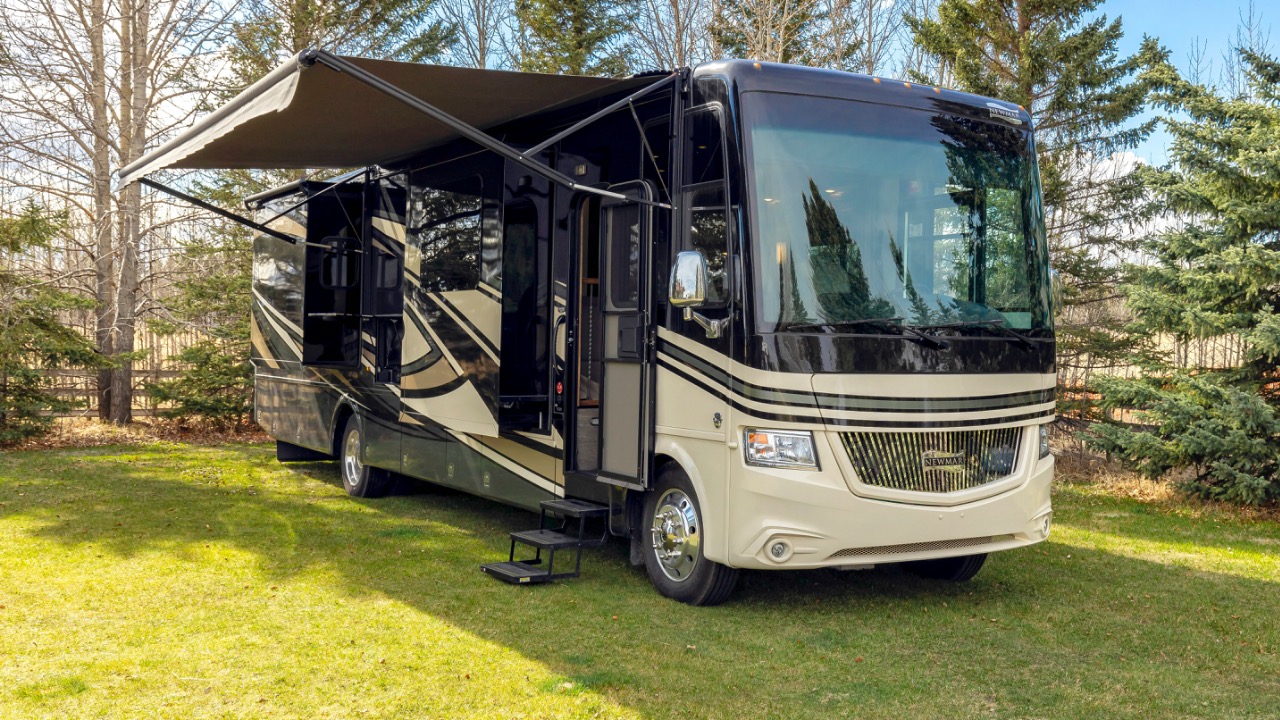
You’re running into zoning rules first. Many counties and towns simply don’t allow full-time living in an RV outside designated parks. Even on land you own, that restriction can still apply.
Those rules were built around long-standing ideas of housing—permanent structures, utilities, and inspections. An RV doesn’t always fit that mold. When officials enforce those codes, they’ll say it’s about consistency and planning. From your side, it can feel like a hard stop on how you choose to use ground you paid for.
Health and Sanitation Concerns Drive Enforcement
Local governments often point to wastewater and sanitation when they crack down. RVs rely on holding tanks, and not everyone manages them properly over the long term.
That’s where complaints come in. Neighbors notice odors, runoff, or makeshift hookups, and it gets reported. Counties step in because failing systems can affect groundwater and nearby properties. Even if you’re doing it right, enforcement tends to be broad. One bad setup can lead to tighter rules that hit everyone living that way.
Housing Shortages Are Pushing People Into RVs
You don’t have to look far to see why more people are turning to RV living. Housing costs have climbed, and in some places, options are thin.
An RV becomes a workaround—something you can afford, something you can control. That’s part of what’s fueling the conflict. More people choosing that path means more visibility, and with visibility comes scrutiny. Local governments are trying to manage growth, while individuals are trying to find a foothold. Those goals don’t always line up.
Neighbors Are Often the Ones Who Raise the Issue
Most enforcement doesn’t start with an official driving around looking for RVs. It starts with a complaint. A neighbor calls it in, and the process begins.
Sometimes it’s about appearance. Other times it’s traffic, noise, or concern about property values. Once that complaint lands, officials have to respond. That puts you in the middle of a situation that may have nothing to do with how responsibly you’re living. It becomes less about your setup and more about how the surrounding community reacts to it.
Private Property Rights Aren’t Absolute
You may own the land, but that doesn’t mean you can do anything you want with it. Property rights have always come with limits tied to local law.
That’s where the frustration sets in. You’re paying taxes, maintaining the land, and still being told how you can and can’t live on it. On the other side, municipalities argue those limits protect broader community standards. The tension comes from where that line is drawn, and right now, a lot of places are tightening it.
Temporary Living Exceptions Create Gray Areas
Some areas allow short-term RV living—during construction, seasonal use, or emergencies. On paper, that gives you some flexibility.
In practice, those rules can be vague. How long is temporary? What counts as active construction? That gray area leads to disputes. You might think you’re within your rights, while the county sees it differently. Once timelines stretch, enforcement tends to follow, and that’s where fines or eviction notices can come into play.
Enforcement Is Increasing as RV Living Becomes More Visible
Years ago, you could park an RV on rural land and not draw much attention. That’s changing. With more people choosing this lifestyle, it’s harder for local governments to ignore.
Increased visibility brings more oversight. Counties update codes, step up inspections, and respond faster to complaints. It’s not always targeted at one person—it’s a reaction to a growing trend. The more common RV living becomes, the more likely it is to be regulated in ways it wasn’t before.
The Debate Isn’t Settling Anytime Soon
You’ve got two sides that aren’t backing down. One values flexibility and personal control over land. The other is focused on structure, planning, and community impact.
There’s no quick fix here. Laws are being tested, rewritten, and enforced differently depending on where you are. If you’re considering RV living on your own property, you need to know the rules before you park. Because once you’re on the radar, it can move fast—and not in your favor.

Asher was raised in the woods and on the water, and it shows. He’s logged more hours behind a rifle and under a heavy pack than most men twice his age.