Life Sentence Imposed in Attempted Assassination of Trump at Florida Golf Course
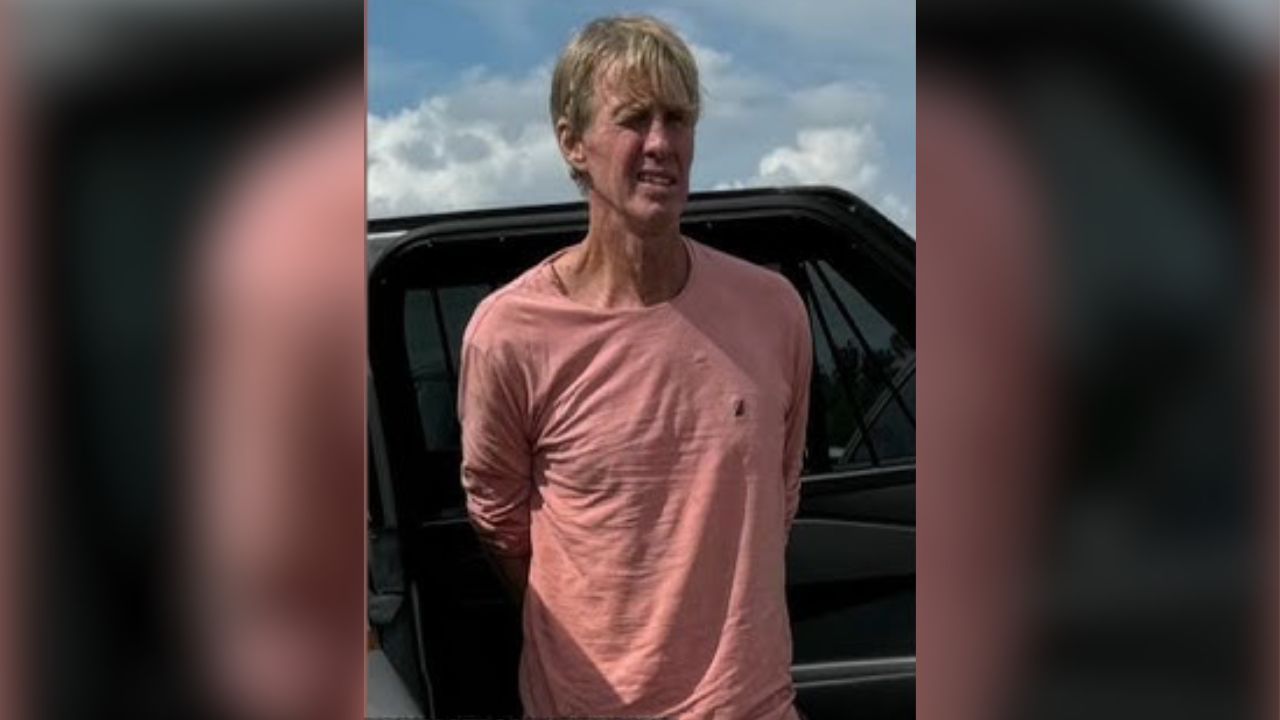
A man convicted of attempting to assassinate Donald Trump at his Florida golf course has been sentenced to life in prison after a federal court concluded he carried out a planned attack that was only stopped by security intervention. The case stems from an incident at Trump International Golf Club in West Palm Beach in September 2024, where authorities say the suspect positioned himself near the course with a rifle before being detected by the Secret Service.
The sentencing closes a lengthy legal process that included a federal trial, jury conviction on multiple counts, and arguments over intent and responsibility. Prosecutors described the actions as deliberate and premeditated, while the defense attempted to argue mitigating factors. Ultimately, the court imposed the maximum penalty allowed under the law, citing the seriousness of targeting a presidential candidate.
How the incident unfolded
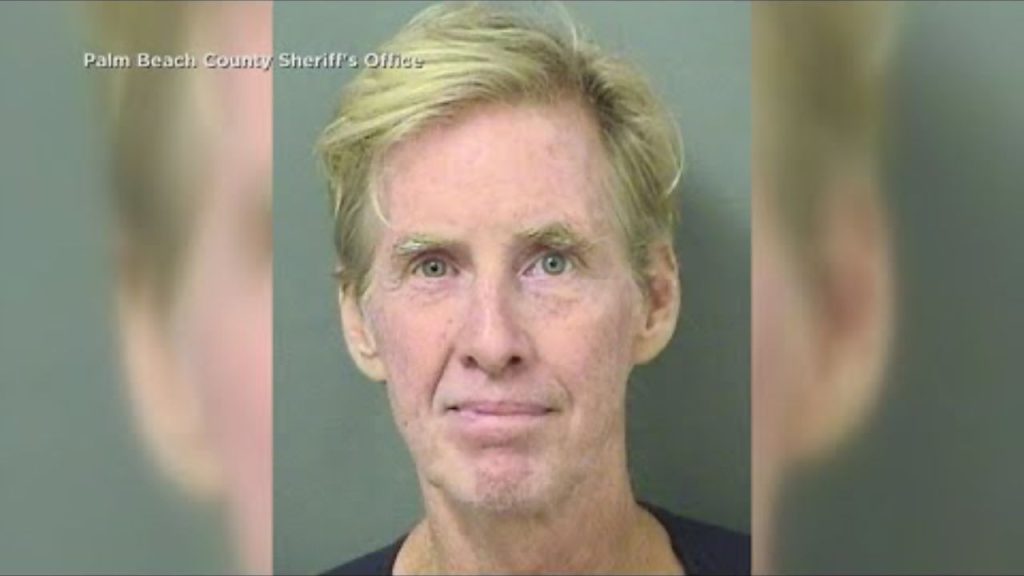
According to court records and investigative reports, the suspect was found hiding in vegetation near the golf course perimeter while Trump was on the course. A Secret Service agent spotted movement and engaged the suspect, who then fled the scene without firing a shot. Authorities later recovered a rifle and related equipment near the location.
The incident was quickly treated as a potential assassination attempt, triggering a full federal investigation. Officials confirmed that Trump was never directly hit or injured during the event. The rapid response by security personnel was a key factor in preventing escalation.
Investigation and federal charges
Following his arrest, the suspect faced multiple federal charges, including attempted assassination of a major presidential candidate, firearm violations, and assault-related offenses tied to the incident. Prosecutors argued that the evidence showed planning and intent, pointing to the positioning near the course and the weapon recovered at the scene.
During the trial, jurors heard testimony from Secret Service personnel and investigators who reconstructed the timeline of the event. After deliberation, the jury found the defendant guilty on all counts, which opened the door for sentencing under federal guidelines that allow life imprisonment in cases involving attempted assassination of high-profile officials.
Court proceedings and sentencing
At sentencing, the judge emphasized the seriousness of the crime and the potential risk to national security. The court rejected arguments for leniency and instead imposed a life sentence without parole, along with additional consecutive time for firearm-related charges.
Courtroom proceedings also drew attention for moments of disruption during earlier phases of the case, including a post-verdict incident involving the defendant. Despite those disruptions, the sentencing phase focused primarily on the facts of the case and the legal standards governing attempted assassination charges.
Broader security concerns raised by the case
The incident has been referenced in broader discussions about security risks facing political figures, especially during election cycles. High-profile candidates and former presidents are typically surrounded by enhanced protection, but the case highlighted how quickly a breach attempt can develop in public settings like golf courses.
Security experts have pointed to the importance of perimeter monitoring and rapid-response protocols in preventing attacks. While the incident ended without physical harm to the target, it reinforced concerns about politically motivated violence and the pressure placed on protective services.
What happens next
With sentencing complete, the case now moves into the appeals phase, which is common in federal convictions involving severe penalties. The defendant is expected to challenge aspects of the trial, though the life sentence reflects the court’s position on the gravity of the offense.
For law enforcement and security agencies, the case will likely continue to be reviewed as part of ongoing efforts to refine protection strategies for high-profile political figures. Even though the attack was unsuccessful, it remains part of a broader pattern of heightened political security concerns in recent years.

Leo’s been tracking game and tuning gear since he could stand upright. He’s sharp, driven, and knows how to keep things running when conditions turn.