
Rifles That Magnify Shooter Errors
Some rifles hold your hand and make an average shot look better than he is. Others reveal every weakness in your form. These rifles aren’t inaccurate—far from it—but they demand flawless fundamentals. If your trigger press is rough, if your grip slips, or if you break your follow-through, they expose it immediately. Hunters who train with them can get excellent results, but anyone who shows up rusty learns fast why certain models have reputations for being unforgiving. When the rifle is this honest, every shot becomes a report card.
Kimber Mountain Ascent
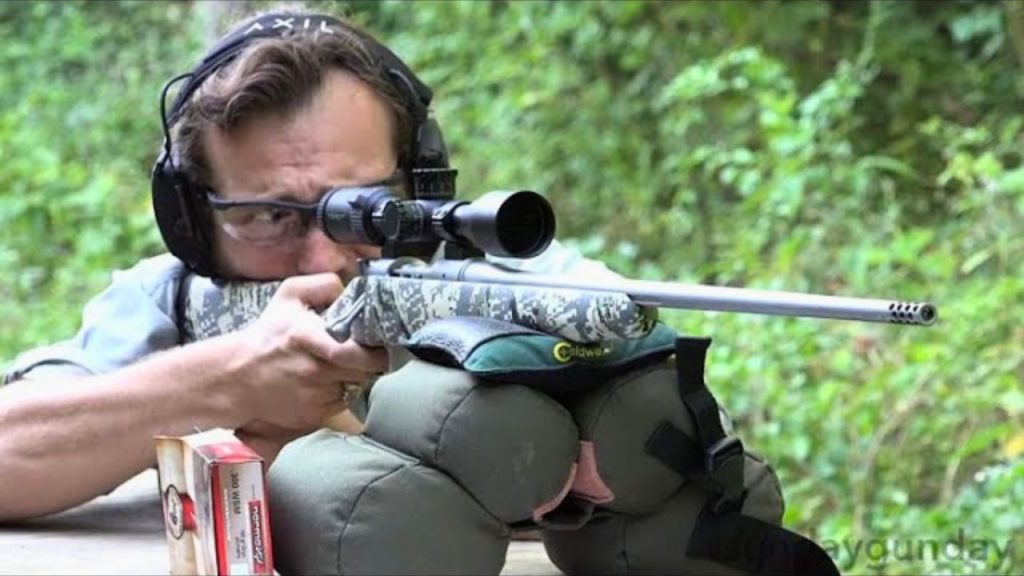
The Kimber Mountain Ascent is a dream to carry but a challenge to manage when it’s time to shoot. Its featherweight build means the rifle wanders the moment your rest or stance isn’t rock solid. Even minor shifts in your elbows or shoulder pocket send the reticle drifting. The light frame also delivers sharper recoil than most hunters expect, which can build bad habits if you’re not practiced.
This rifle rewards disciplined shooters who understand body control and timing. But if your season includes only a handful of range days, it’s going to remind you of every shortcoming. It shoots beautifully when you’re locked in and punishes you when you’re not.
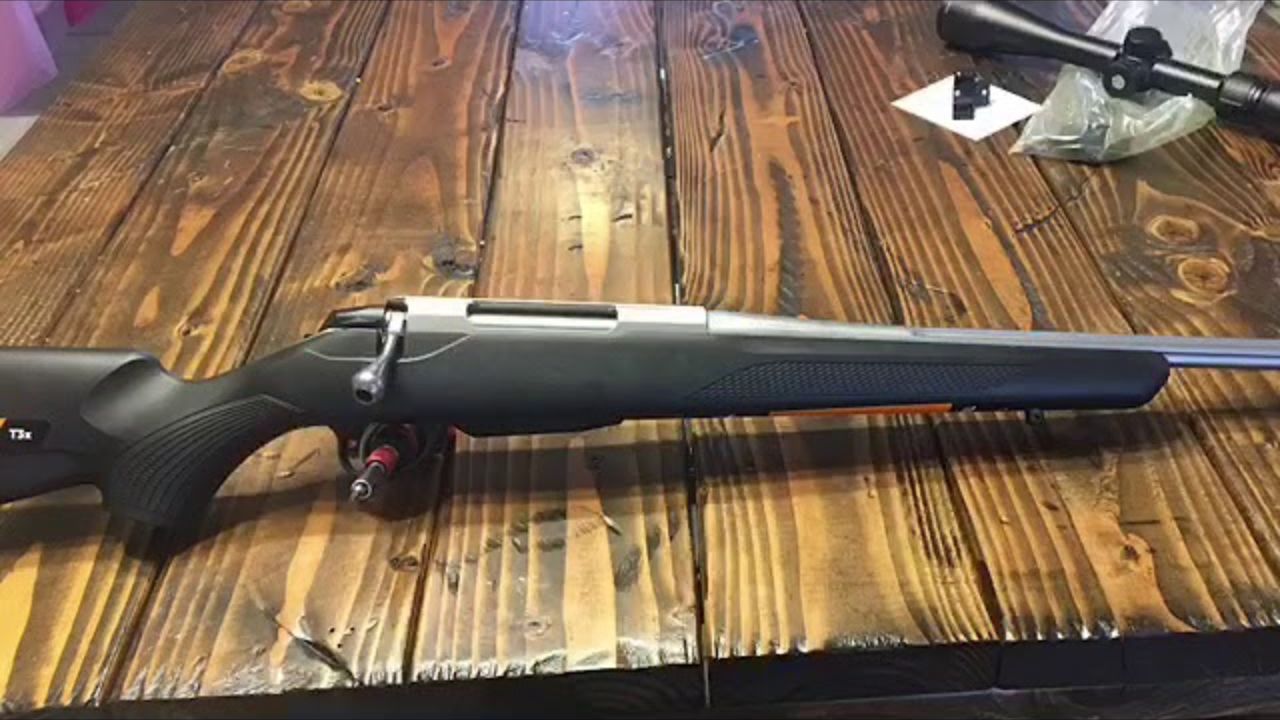
Tikka T3x Superlite
The Tikka T3x Superlite is respected for clean accuracy, but its weight—or lack of it—works against inconsistent shooters. The rifle jumps more than heavier sporters, and the short, lively feel magnifies small errors. A slight dip in your breathing rhythm or a rushed trigger press spreads groups quickly.
It shines in steep country where every ounce matters, yet you need firm fundamentals to see its full potential. Hunters who post steady results know how to brace it properly. Those who lean into a careless shot or fail to anchor their support hand learn quickly that this rifle doesn’t cover for poor mechanics.
Ruger American Predator
The Ruger American Predator is known for value and performance, but the light synthetic stock has enough flex to magnify grip inconsistencies. If you rest the forend differently from shot to shot, the point of impact walks fast. That’s a problem when hunters bounce between shooting sticks, packs, and natural rests.
The rifle shoots tight groups from steady benches, but field positions expose how sensitive the stock can be. A firm, repeatable grip solves most of it, but hunters who shift their hand placement or lean too far into the forend will see their accuracy fall off. It’s a capable rifle—just not forgiving.
Browning X-Bolt Hell’s Canyon Speed
The Hell’s Canyon Speed is accurate, but its light barrel and quick balance make it sensitive to shooter mistakes. The muzzle responds dramatically to pressure changes in the forend, and the barrel heats faster than many expect. Once warm, it begins to wander, and any inconsistency in form makes things worse.
Hunters who practice slow, steady groups at the range love this rifle. But those who fire multiple shots in quick succession or allow their posture to drift will fight vertical stringing. The rifle isn’t flawed—it simply demands discipline from start to finish.
Weatherby Mark V Ultra Lightweight
Weatherby’s Mark V Ultra Lightweight has earned legendary praise, but its thin profile and stout chamberings make it punishing for shooters who aren’t dialed in. A .270 Weatherby or .257 Weatherby in this frame produces enough recoil to expose flinches immediately. If your trigger press breaks early or you anticipate the shot, the rifle displays it without hesitation.
When handled by confident shooters, the rifle is fast, flat, and deadly. When handled by those who grip too hard or struggle with recoil management, groups fall apart quickly. This rifle teaches lessons—whether you want them or not.
Remington Model Seven
Compact rifles like the Remington Model Seven handle quickly, but their short length amplifies any flaws in grip tension. If your support hand creeps back or your cheek weld shifts, the muzzle twitches more dramatically than on a full-size rifle. Many hunters underestimate how much steadiness they give up with a shorter stock and lighter barrel.
The rifle works well in tight timber, but take it to an open ridge where stability matters and you’ll feel the challenge. A smooth, steady shot is rewarded; a rushed one lands wide. This model demands deliberate form from start to finish.
Savage 110 Ultralite
The Savage 110 Ultralite pairs an excellent barrel with a lightweight skeleton, which creates a rifle that’s precise but sensitive. Small rest changes or uneven bipod pressure make the point of impact shift. Many hunters notice that the rifle groups better when every variable is controlled tightly.
In windy conditions especially, the light build magnifies shooter input. If you anchor too hard or pull the rifle into your shoulder unevenly, the shot reacts. This rifle can be an incredible performer, but it insists on consistency at all times.
Ruger No. 1
The Ruger No. 1 single-shot looks elegant, but its sensitivity to forend pressure becomes obvious once you move away from the bench. Small changes in where you rest the rifle translate into noticeable shifts downrange. The break-action design transfers recoil differently than bolt guns, making follow-through even more important.
Hunters who take the time to learn its quirks often love it, but for those who rely on quick, instinctive shooting, the rifle feels unforgiving. It rewards patience and discipline but exposes hurried technique every time.
Thompson/Center Encore Pro Hunter
The Encore Pro Hunter is loved for versatility, but the hinge-barrel design magnifies errors tied to rest placement. It reacts strongly to uneven shoulder pressure or inconsistent grip. If your stance isn’t repeatable, your groups won’t be either.
In the field—especially on improvised rests—shooters often discover how quickly this rifle reveals sloppy fundamentals. It can be remarkably accurate, but it demands a methodical shooter who respects its design.
Browning BLR Lightweight
The Browning BLR handles well and cycles fast, but its slim forend and lively recoil make it less forgiving than many assume. Hunters switching from bolt guns often struggle because the rifle shifts during the cycling motion. If your grip changes between shots, your accuracy changes with it.
In dense cover, the BLR works beautifully. Stretch the distance or adopt an unstable shooting position, and the rifle punishes any inconsistency in your form. For seasoned lever-gun shooters, it’s outstanding. For everyone else, it’s a teacher.
Winchester XPR Compact
Shorter, lighter rifles like the XPR Compact tend to magnify breathing errors and poor trigger discipline. The reduced sight radius and lighter barrel react to tension in your hands and shoulders. If you rush your trigger press instead of settling in, the flyer shows up fast.
It’s a solid rifle for youth or hunters needing a quick-handling setup, but it doesn’t hide flaws. Anyone switching from a heavier rig should expect a learning curve. Once your fundamentals tighten, the rifle performs well—but it makes you earn it.

Leo’s been tracking game and tuning gear since he could stand upright. He’s sharp, driven, and knows how to keep things running when conditions turn.


