M1 Garand Rifle Continues to Appear in Modern Conflicts, Symbol of Enduring US Military Legacy
The M1 Garand, the semi‑automatic rifle that armed United States forces through the Second World War and Korea, keeps resurfacing on modern battlefields. Even as militaries field polymer‑framed carbines and precision rifles, this mid‑20th‑century design continues to circulate in conflicts where history, logistics, and symbolism intersect.
Its recurring presence highlights more than nostalgia. The rifle has become a visible thread connecting current wars to the industrial and political legacy of United States power, as surplus weapons and doctrine ripple outward across generations of fighters and states.
What happened
Footage from recent conflicts has repeatedly shown fighters carrying M1 Garand rifles alongside far newer systems. In several Middle Eastern and North African battle zones, small groups of irregular forces have been photographed with the rifle’s distinctive eight‑round en‑bloc clip and long wooden stock. These appearances tend to occur in units that rely heavily on older stocks of small arms, often blended with AK‑pattern rifles and a scattering of Western carbines.
This pattern traces back to the way the United States distributed weapons during and after the Cold War. Large numbers of M1 Garand rifles were transferred to allied governments, then trickled into local arsenals, police stocks, and eventually black markets as those states modernized. Some of those rifles were later captured, resold, or reissued, which helps explain why they still surface in contemporary footage from remote militias and territorial defense units.
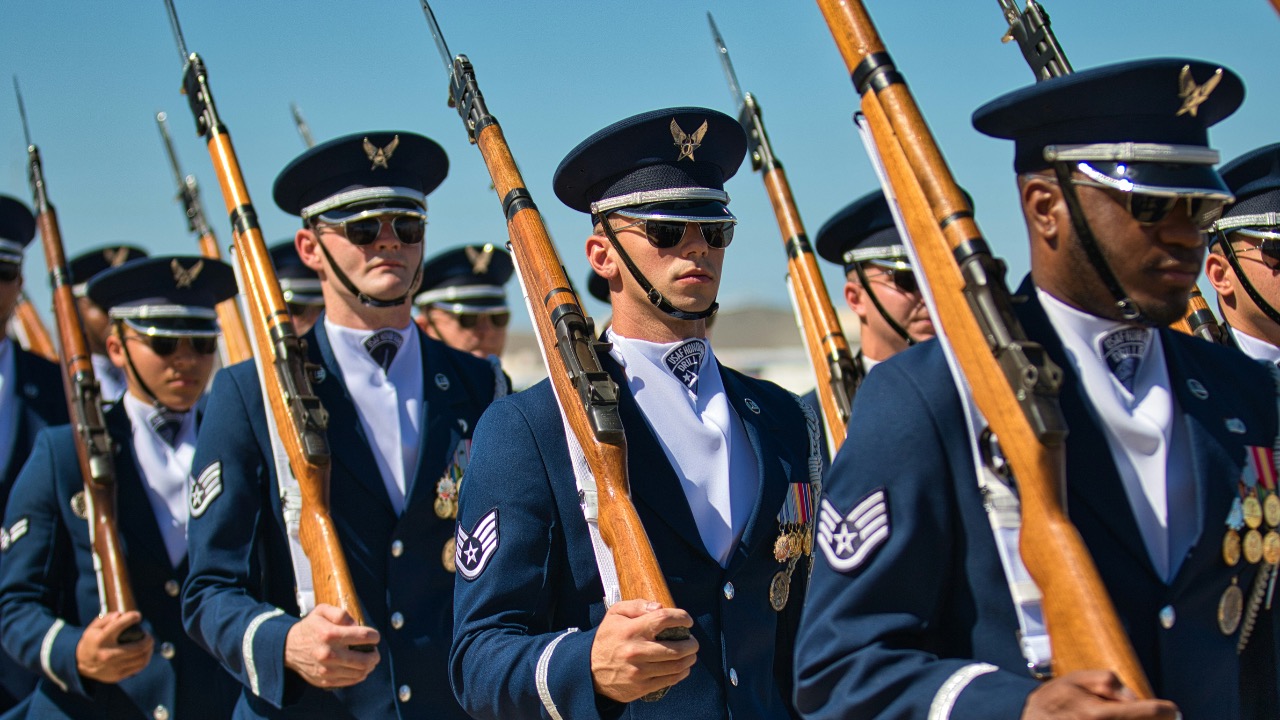
In several Eastern European countries, the M1 Garand also persists in reserve formations and ceremonial roles. When those reserves are mobilized, some of the same rifles that once appeared in parades or on training ranges are pressed back into service. Images from border regions and rear‑area security checkpoints show the rifle slung over the shoulders of older reservists, a reminder that legacy equipment often fills gaps while front‑line units receive modern gear.
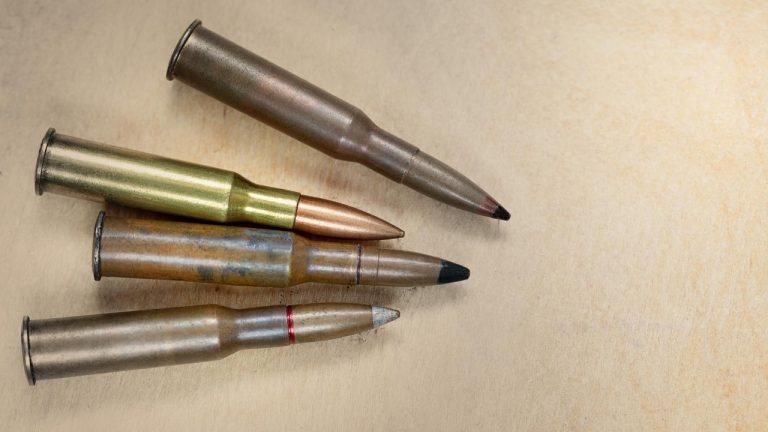
Its reappearance is not limited to low‑intensity skirmishes. In urban fighting, where engagement distances are short and logistics are strained, any reliable semi‑automatic rifle with .30‑caliber power becomes valuable. The M1 Garand’s rugged action and relatively simple maintenance make it attractive to forces that lack sophisticated armorer support but can still source .30‑06 or compatible ammunition from legacy stockpiles.
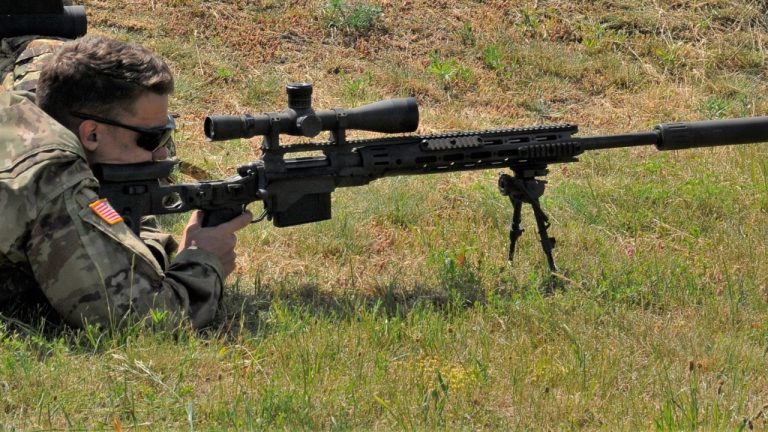
At the same time, the global market for surplus firearms and parts kits has kept the M1 Garand in circulation among private buyers. Some of those rifles eventually bleed into conflict zones through smuggling networks that move everything from hunting shotguns to high‑end anti‑materiel rifles such as the Barrett XM109. The Garand occupies the lower, more accessible end of that spectrum, but it follows similar pathways.
Why it matters
The continued appearance of the M1 Garand in modern conflicts matters for three intertwined reasons: battlefield utility, political symbolism, and what it reveals about the long tail of United States arms transfers.
On the battlefield, the rifle still offers capabilities that many fighters find useful. Its eight‑round internal magazine, fed by en‑bloc clips, allows faster follow‑up shots than older bolt‑action rifles. The .30‑06 Springfield cartridge delivers significant energy and effective range, which remains relevant in rural or mountainous terrain where engagements can stretch beyond the distances typical of dense urban combat. For poorly equipped units, an M1 Garand can be a decisive upgrade over aging bolt‑action designs or improvised weapons.
Durability also plays a role. Many M1 Garand rifles were built with high manufacturing standards and maintained in armories for decades. Even when finish wears and stocks crack, the core action often remains serviceable. In conflicts where supply chains are fragile and spare parts scarce, a weapon that continues to function after rough handling and minimal maintenance has clear value.
Yet the rifle’s significance extends beyond its technical performance. The M1 Garand is closely associated with the image of the United States as the “arsenal of democracy” during the Second World War. When it appears in modern conflicts, it carries that historical weight into contemporary struggles. For some fighters, carrying a Garand evokes the prestige of United States military power, even if they are not aligned with Washington. For others, especially in regions where United States interventions have been controversial, the rifle can represent an ironic symbol of resistance, a legacy weapon turned against the interests that first supplied it.
Its persistence also illustrates how arms transfers shape security environments long after the original policy debates fade. Each M1 Garand in circulation today reflects a chain of decisions: initial production contracts, lend‑lease arrangements, Cold War aid programs, and later surplus sales. Those choices helped create large global pools of United States‑origin small arms that continue to migrate across borders, often without formal oversight.
That migration complicates contemporary arms control efforts. When policymakers discuss export controls on advanced systems, such as precision rifles or long‑range anti‑materiel platforms, they confront the reality that much older weapons remain active in the same theaters. The M1 Garand’s presence underscores how difficult it is to fully track or retrieve weapons once they enter the international market, particularly when states collapse or change alliances.
There is also a cultural dimension. In many countries, the M1 Garand appears in museums, veterans’ organizations, and ceremonial units. Its reemergence in live combat blurs the line between artifact and tool. That dual status reinforces the idea that military history is not confined to textbooks or reenactments. Instead, it continues to shape the material reality of contemporary wars, where a rifle designed in the 1930s can still influence outcomes in firefights.
For the United States, the rifle’s survival in active service highlights the enduring visibility of its military legacy. Even as Washington promotes newer platforms and doctrines, images of fighters carrying M1 Garand rifles remind global audiences of earlier eras of United States power projection. That visual continuity can strengthen narratives of long‑standing influence or, in some contexts, fuel criticism about the lasting footprint of American weapons abroad.
What to watch next
Several trends will determine whether the M1 Garand continues to appear in modern conflicts or gradually recedes into history.
One is the pace at which states and armed groups modernize their small arms. As more governments adopt modular 5.56 mm and 7.62 mm rifles and receive new shipments through security assistance programs, older .30‑06 platforms may be pushed further down the chain to reserve units, militias, or civilian markets. That process could either prolong the Garand’s presence in irregular forces or, if accompanied by buyback and destruction programs, finally reduce its numbers in conflict zones.
Another factor is the evolution of ammunition supply. The M1 Garand’s utility depends on access to compatible cartridges. If stockpiles of .30‑06 and similar loads are depleted without replacement, the rifle will become harder to sustain in the field. Conversely, as long as commercial manufacturers continue to produce the caliber for hunting and sport shooting, conflict economies will have an incentive to route some of that supply into war zones.
Monitoring surplus sales will also be key. When governments release older rifles from storage, decisions about whether to sell them to foreign buyers, domestic collectors, or scrap yards will shape where those weapons ultimately surface. Transparent, well‑regulated disposal can limit leakage into black markets. Looser oversight, especially in states facing budget pressure or corruption, increases the probability that more M1 Garand rifles will move into unstable regions.
Observers should also watch how the rifle’s image is used in propaganda and recruitment material. In some conflicts, groups have highlighted vintage weapons in videos and posters to project a sense of continuity with earlier struggles. If the M1 Garand continues to appear in such material, it will reinforce its role as a symbolic bridge between past and present wars, regardless of how many rifles are actually in front‑line service.
Finally, the broader debate over United States arms exports will shape how policymakers interpret the M1 Garand’s lingering presence. Discussions about future transfers, end‑use monitoring, and post‑conflict disarmament are increasingly informed by examples of older weapons that remain active decades after shipment. Each sighting of a Garand in a new theater adds a data point to that conversation, suggesting that the legacy of current export decisions may still be visible on battlefields generations from now.

Leo’s been tracking game and tuning gear since he could stand upright. He’s sharp, driven, and knows how to keep things running when conditions turn.