Man Sentenced to Life in Prison for Attempted Assassination of Trump at Florida Golf Course
A federal judge handed down a life sentence this year to the man who tried to kill Donald Trump while he played golf in Florida. The case drew attention across the country because it marked the second time in 2024 that someone came close to harming the former president on the campaign trail. Details from the investigation, the trial, and the final hearing paint a clear picture of careful planning followed by a swift law enforcement response that stopped the attack before any shots reached Trump.
The Afternoon Everything Changed at the Golf Club
Picture the scene on a sunny September afternoon in 2024 at Trump International Golf Club in West Palm Beach. Donald Trump was moving through his round when an agent on perimeter duty noticed something out of place along the tree line near the sixth hole. A rifle barrel had pushed through the fence from about four hundred yards away. The agent opened fire right away with four rounds. Trump stayed out of the direct line of sight and never faced immediate danger. The suspect dropped his weapon and took off in a black SUV. No one on the course got hurt, but the close call rattled everyone involved in protecting public figures. Security teams locked down the property within minutes while they sorted out exactly what had happened.
Witnesses nearby helped piece together the first moments after the shots rang out. One driver pulled over and captured images of the vehicle speeding away, which later proved useful. The whole episode lasted only a few minutes from the moment the threat appeared until the suspect fled. Yet it left behind clear signs of preparation, including gear left at the spot. Agents and local officers moved fast to contain the area and begin the search. The event reminded people how quickly a routine day on the links could turn serious when someone decides to act on a threat.
Ryan Routh and His Path to the Scene
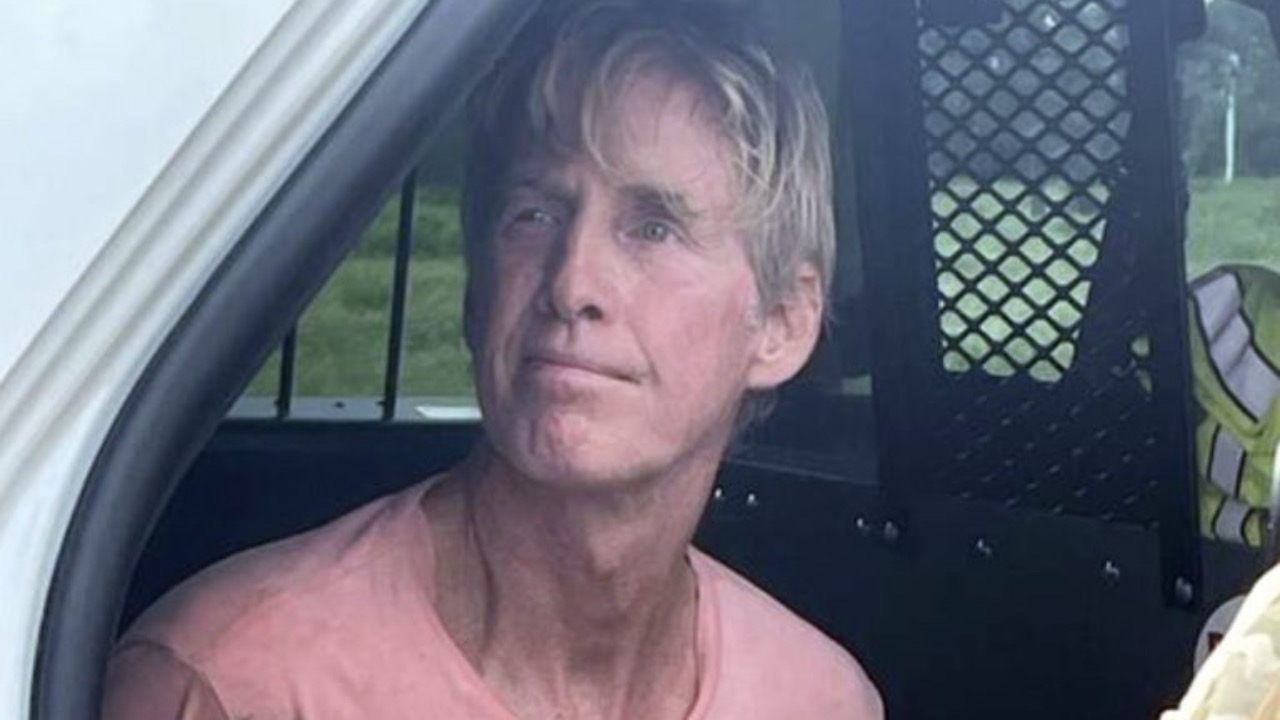
Ryan Wesley Routh had traveled from North Carolina to South Florida in the days leading up to the incident. He set himself up early that morning, arriving around two in the morning and staying hidden for nearly twelve hours with food and supplies. Court records show he chose the location after scouting the golf course and timing his wait to match the schedule. At fifty-nine years old during the sentencing, he had worked as a roofer and spent time as an activist focused on international causes, including efforts related to Ukraine. His online posts over the years revealed shifting opinions about politics and public figures.
None of that background explained the choice he made that day. Prosecutors laid out how he brought a loaded rifle with a scope, extra ammunition, and other items to the fence line. He positioned himself ahead of where Trump would pass, even though the angle never gave him a clean shot. The planning stretched back weeks, with phone data showing repeated trips to the area. Routh lived out of his vehicle at times during the preparation. All of it pointed to a deliberate effort rather than a spur-of-the-moment decision.
What the Evidence Revealed About the Planning
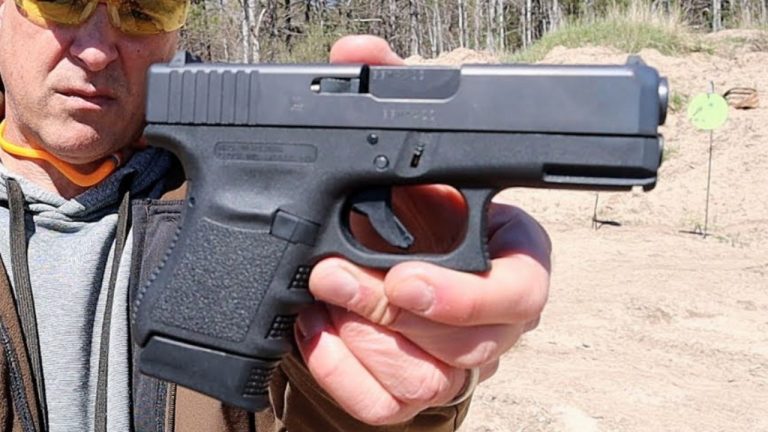
Investigators recovered a rifle equipped with a scope and a magazine holding nineteen rounds, safety off and ready. The serial number had been removed, and other gear like body armor plates and a camera pointed toward the green sat nearby. Cell phone records placed Routh’s device in the exact spot from early morning until the moment the agent spotted the weapon. A letter found later expressed his intent in his own words. Prosecutors presented these items over several days in court to show the steps he took long before that September afternoon.
The physical evidence matched digital trails from license plate readers and location data. Everything lined up to demonstrate months of thought and action. None of the items suggested an accidental presence. Instead, they formed a chain that connected Routh to the scene in a way that left little room for doubt. Jurors heard about each piece during the trial, and the collection helped them reach a unanimous decision on every count.
The Agent Who Spotted the Threat
The Secret Service agent on foot patrol that day acted within seconds of seeing the rifle barrel move. He fired to neutralize the danger and protect both Trump and himself. His quick decision gave the suspect no chance to line up a shot. Agents later praised the training that prepared him for exactly this kind of moment. The response prevented any injury and kept the former president safe while the rest of the detail moved him off the course.
That single observation changed the outcome entirely. Without it, the situation could have escalated in ways no one wants to consider. The agent’s account formed a central part of the prosecution’s case, and his actions received recognition from law enforcement leaders afterward. It highlighted the constant vigilance required when high-profile individuals appear in public spaces that are hard to secure completely.
How Authorities Tracked Down the Suspect
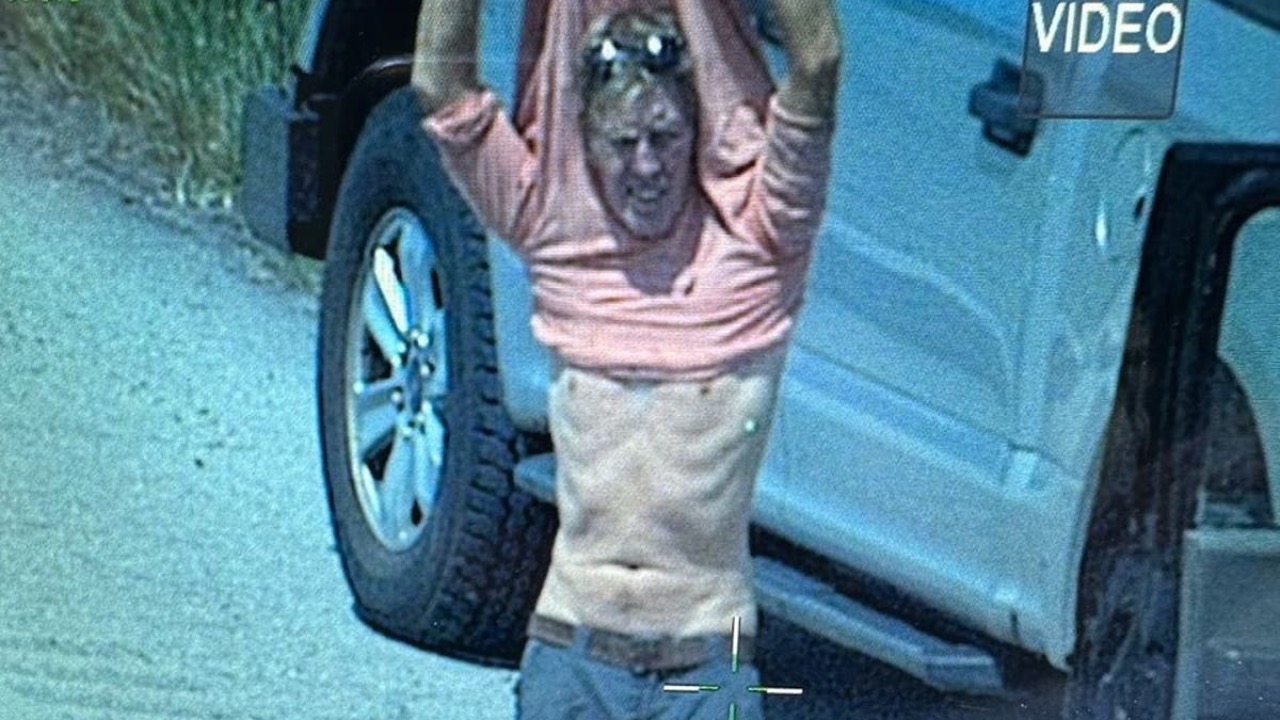
Routh left the golf course in a hurry and drove north on Interstate 95. A civilian who saw him running from the woods took photos and video of the SUV, then shared them with officers. Deputies stopped the vehicle about forty-one miles away in Martin County roughly forty-five minutes after the initial shots. Routh cooperated during the arrest and faced immediate charges. The fast work by local law enforcement, combined with the witness material, closed the gap quickly.
Evidence from the abandoned items and the vehicle search added more layers to the case right away. The arrest happened before the day ended, which kept the investigation moving forward without delay. Officials coordinated between federal and local teams to make sure nothing slipped through. The speed of the capture stood out in early reports and set the tone for the thorough review that followed.
The Trial That Played Out in Court
The federal trial opened in Fort Pierce in September 2025 and ran for two weeks. Routh chose to represent himself at times, which led to several exchanges with the judge over procedure. Prosecutors called witnesses who described the scene, the recovered items, and the digital evidence. The defense argued for a different interpretation of events, but the jury took just over two hours to convict on all five counts, including attempted assassination of a major presidential candidate and assault on a federal officer.
Testimony covered the planning, the confrontation, and the items left behind. Jurors weighed the facts without outside influence. The courtroom stayed focused on the evidence presented day after day. When the verdict came in, the process had given both sides a full chance to make their arguments before the decision landed.
Dramatic Moments During the Guilty Verdict
As the jury foreperson read the guilty verdicts on every charge, the atmosphere in the Fort Pierce courtroom shifted. Routh reached for a pen and tried to stab himself in the neck several times before marshals stepped in and stopped him. The incident lasted only seconds but created immediate chaos that required extra security to restore order. He remained silent afterward while the judge addressed the next steps.
That outburst captured the tension built up over the long proceedings. Court officials had to manage the situation on the spot to keep everyone safe. The moment became part of the public record and added another layer to how the case would be remembered. It did not change the legal outcome but underscored the intensity surrounding the entire matter.
The Day the Sentence Came Down
On February 4, 2026, Judge Aileen Cannon delivered the sentence in the same Fort Pierce courtroom. She imposed life in prison without the possibility of parole, plus an additional eighty-four months for one of the firearms counts. The defense had asked for twenty-seven years, pointing to Routh’s age and other factors, but the judge rejected that request after reviewing the full record. Prosecutors had argued that the severity of the crime and the lack of any remorse called for the maximum penalty.
Routh sat quietly as the decision was announced. The ruling reflected the gravity of planning an attack on a presidential candidate. Officials noted afterward that the outcome sends a clear signal about consequences for political violence. The sentence ensures he will not pose a threat again, closing one chapter while leaving the broader conversation about safety in public life open.

Asher was raised in the woods and on the water, and it shows. He’s logged more hours behind a rifle and under a heavy pack than most men twice his age.