Iran’s New Supreme Leader’s Face Is So Disfigured Sources Won’t Show Photos
You have probably noticed the complete absence of recent images of Iran’s new supreme leader. Mojtaba Khamenei took over in early March 2026 after his father’s death, yet officials have released no photographs or video of him since the appointment. Reports from people close to his circle confirm he suffered major injuries in the same strike that killed Ayatollah Ali Khamenei. The situation has left observers piecing together limited details about his condition and how he is running the country right now.
The Airstrike That Killed His Father and Injured Him
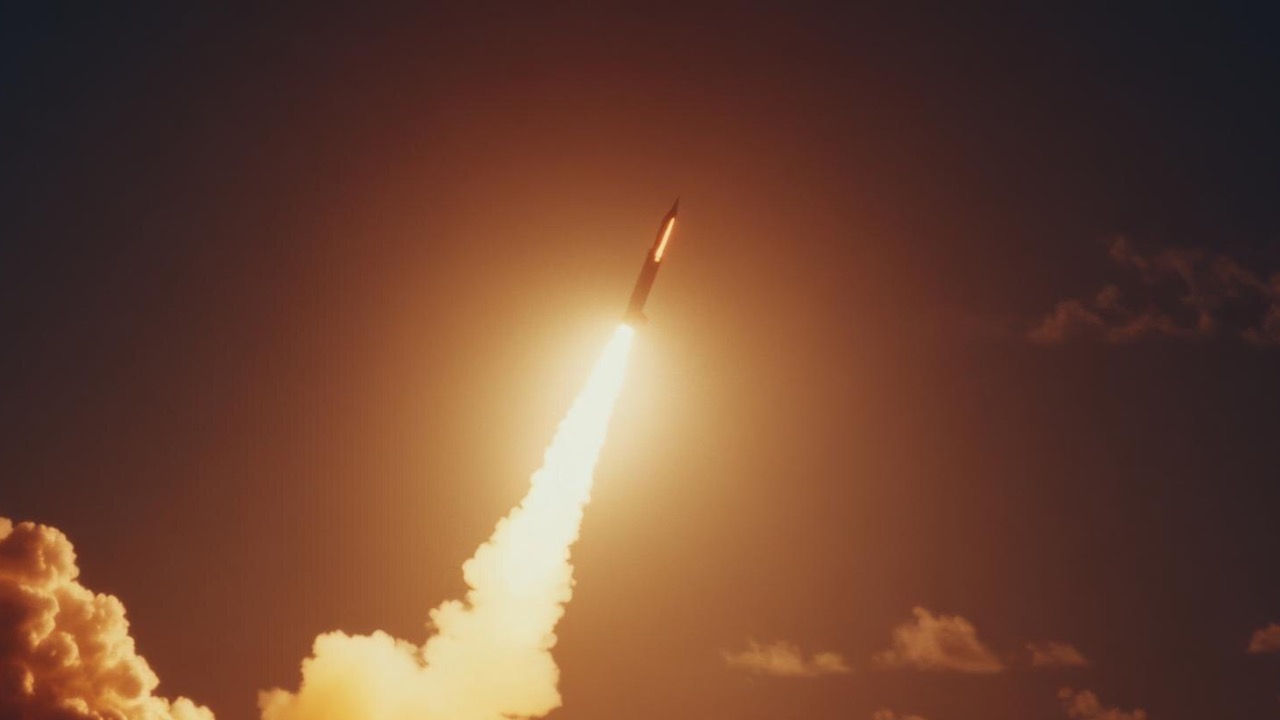
Early on February 28 the supreme leader’s compound in central Tehran took a direct hit during the opening hours of the conflict with the United States and Israel. Mojtaba Khamenei was inside the facility along with other family members. The blast killed his father and several relatives. Those who survived described chaos and immediate medical evacuations. Mojtaba himself sustained serious trauma that would later become the reason for his low public profile. The event happened so fast that initial reports focused only on the senior Khamenei’s death.
Within days Iranian state media announced the succession process. The Assembly of Experts met behind closed doors and chose Mojtaba as the next leader. You can imagine the pressure they faced while the country was still under attack. The decision came on March 8 and marked the first time a son had directly followed his father into the role.
How Severe the Injuries Actually Are
Three sources familiar with his inner circle told Reuters that Mojtaba Khamenei’s face was disfigured in the strike. They also described significant damage to one or both of his legs. Some accounts mention the possible loss of a limb though not every detail has been confirmed publicly. He has been recovering steadily but the wounds remain visible enough that no one around him wants photographs circulating. Medical teams have worked around the clock to stabilize him while he continues to weigh in on major decisions.
His participation happens mostly through audio links rather than in-person meetings. That approach lets him stay involved without exposing the full extent of his condition. You can see why security concerns play a role too. Revealing his location or appearance could invite further targeting at a time when tensions remain high.
Why No Photos or Public Appearances Have Surfaced
Iranian authorities have kept tight control over any visuals of the new leader. The disfigurement makes traditional public appearances risky both for his personal safety and for the image of stability the regime wants to project. Officials have instead released written statements and audio messages. One such message marked the Persian New Year in late March. It showed he remains active even if the format feels unusual for a supreme leader.
International outlets have picked up on the silence. American officials including Defense Secretary Pete Hegseth referred to him as wounded and likely disfigured back in March. Those comments added to the speculation but did not change the Iranian side’s stance. Sources close to the leadership say images could appear in a month or two once healing progresses and security allows.
How He Keeps Making Key Decisions
Despite the injuries Mojtaba Khamenei has not stepped back from his responsibilities. He receives briefings and issues guidance on military and political matters through secure channels. The Revolutionary Guard commanders continue to coordinate with him directly. This behind-the-scenes role echoes the way he operated before the succession when he held influence without holding the formal title.
You might wonder how sustainable this setup is long-term. For now it works because the system was already built around strong institutions and loyal networks. He has avoided any power vacuum that could have emerged after his father’s sudden death. The approach also buys time for further recovery while the country deals with ongoing external pressures.
His Background and Quiet Rise to the Top
Mojtaba Khamenei was born in 1969 and trained as a mid-ranking cleric. For years he kept a deliberately low profile while building ties inside the Revolutionary Guard and security apparatus. He played a role in managing domestic dissent and influencing key appointments. That experience gave him credibility among hard-liners who mattered most in the succession vote.
His selection surprised some outside analysts because other senior clerics had been discussed in the past. Yet insiders knew he already carried real authority. The Assembly of Experts voted with a clear majority once the crisis demanded a quick decision. His connection to the previous leader helped smooth the transition at the most dangerous moment.
Outside Reactions and What They Reveal
Western governments have watched the situation closely. The United States has continued military operations while monitoring Tehran’s responses. Comments from officials highlight both the leadership change and the personal toll on Mojtaba Khamenei. European and regional states have expressed concern about further escalation without offering direct commentary on his health.
Inside Iran the state media focuses on unity and resilience. Public rallies still feature images of the late leader more than the new one. The absence of fresh visuals has fueled quiet conversations among ordinary citizens who wonder what comes next. The regime’s strategy appears to be steady governance first and full public reveal later.
Where Iran Heads Next Under This Leadership
The injuries have not slowed the country’s overall direction. Policies on regional conflicts and internal security continue along familiar lines. Mojtaba Khamenei’s past work suggests he will maintain a firm stance toward external threats. At the same time he must balance recovery with the need to appear in control.
You can expect more audio messages and official statements in the coming weeks. As healing continues the possibility of limited public appearances grows. For the moment the focus stays on continuity. The new supreme leader’s condition adds a layer of uncertainty to an already volatile period but the institutions around him show no signs of fracture. Developments will keep unfolding and the world will keep watching for any shift in how he presents himself.

Asher was raised in the woods and on the water, and it shows. He’s logged more hours behind a rifle and under a heavy pack than most men twice his age.