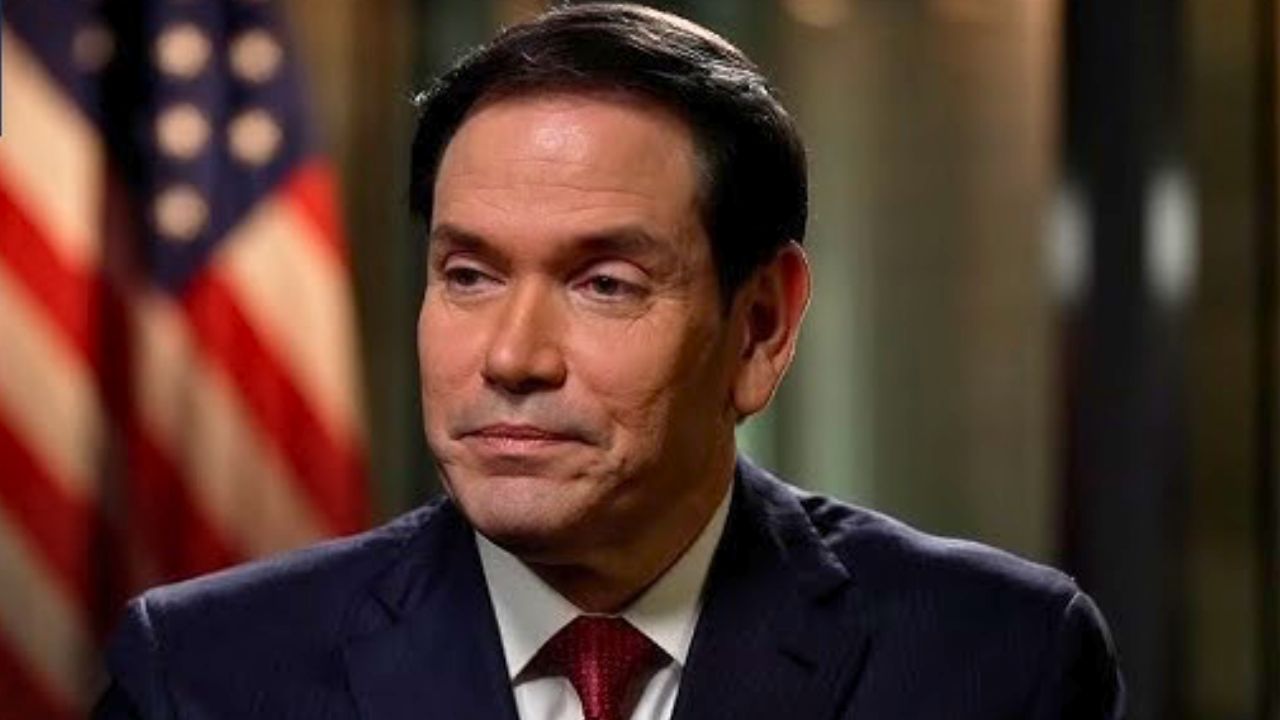
Marco Rubio vows US will not allow any cases of Ebola to enter the country
Senator Marco Rubio is vowing that the United States will block any entry of Ebola, casting the threat as both a public health emergency and a test of border security. His comments come as global health officials track a fresh cluster of infections in Africa and as Washington debates how far to go in restricting travel and evacuations.
The pledge taps into lingering anxieties from earlier Ebola scares, when images of overwhelmed clinics and quarantined travelers dominated the news. It also raises hard questions about what “not allowing any cases” would mean in practice for Americans abroad, health workers on the front lines, and the country’s obligations under international health rules.
What happened
Speaking to reporters, Rubio said the United States “cannot allow any Ebola cases to enter the country,” describing his position as a matter of national security as much as public health. He linked the pledge to stricter controls on air travel from affected regions and urged the administration to use every available authority to block potentially infected passengers from reaching U.S. soil, according to recent comments.
His stance follows renewed concern over outbreaks in central Africa, where health agencies have confirmed new Ebola virus cases and are racing to contain transmission. International responders have deployed contact tracers, mobile laboratories, and isolation wards, yet the virus’s incubation period and the realities of regional travel make complete containment at the source difficult, a pattern seen in earlier crises described in outbreak reports.
Inside the United States, health authorities have reactivated contingency plans first built during the 2014 West Africa epidemic, when a small number of imported cases reached Texas and triggered local transmission in hospital staff. That episode led to designated biocontainment units, refined infection control protocols, and specialized training for clinicians who might encounter suspected Ebola patients, measures detailed in past reviews of U.S. quarantine efforts.
Rubio’s rhetoric also collides with the practical reality that Americans, including aid workers, diplomats, and business travelers, continue to operate in Ebola-affected regions. Earlier policy debates under President Donald Trump highlighted this tension when the administration arranged for Americans exposed to Ebola abroad to be monitored in a dedicated facility in Kenya instead of flying them directly home, according to accounts of that Kenya-based facility.
In his latest remarks, Rubio signaled support for similar offshore arrangements, suggesting that individuals who may have been exposed should be treated and cleared outside U.S. borders whenever possible. He framed this as a way to protect the domestic population while still offering medical care to Americans and partners who take on high-risk assignments in outbreak zones.
Why it matters
Rubio’s pledge resonates with voters who remember the fear surrounding previous Ebola scares, yet public health experts stress that “zero risk” is not realistic. The virus spreads through direct contact with bodily fluids, not through casual airborne transmission, and rigorous infection control can break chains of transmission even when imported cases occur. During the 2014 episode, the United States recorded only a handful of cases despite thousands of infections in Guinea, Liberia, and Sierra Leone, a contrast that shaped later guidance on screening and quarantine.
Calls to categorically bar Ebola from entering the country also run up against obligations under the International Health Regulations, which encourage countries to avoid unnecessary interference with travel and trade. Public health law specialists warn that sweeping bans can drive cases underground, discourage transparent reporting by affected countries, and complicate the deployment of foreign medical teams, a concern echoed in analyses of earlier African outbreaks.
There is a domestic equity dimension as well. After the first imported Ebola case in Dallas, local authorities imposed strict monitoring and, in some instances, mandatory quarantine on returning health workers, while other travelers from the same region faced lighter scrutiny. That uneven treatment fueled accusations of stigma and raised questions about how risk is assessed, themes that surfaced again in coverage of volunteer monitoring.
Rubio’s framing connects Ebola directly to border politics, which have already dominated U.S. campaigns. By promising an absolute barrier against the virus, he signals a broader philosophy that treats infectious disease as a security threat to be kept out rather than a global problem that requires engagement. Supporters argue that this approach prioritizes Americans’ safety and avoids repeating early missteps, while critics counter that it risks undermining cooperation with African governments and international agencies that are essential for rapid containment.
Financial stakes are significant as well. The United States has invested heavily in Ebola countermeasures, from vaccine development to specialized treatment centers and airport screening. Rubio has pointed to these investments as justification for a tougher stance, arguing that taxpayers expect tangible protection in return. At the same time, health economists note that the most cost-effective way to shield the United States is often to fund early response in the countries where outbreaks begin, a strategy reflected in past U.S. support for overseas containment.
The politics of evacuation are especially sensitive. The decision under Trump to route exposed Americans to a facility in Kenya was presented as a compromise that allowed medical monitoring without direct flights back to U.S. cities. That model, described in detail in reports on the Kenyan site, may now serve as a template for Rubio’s preferred approach. Yet some global health advocates argue that offshoring care can look like outsourcing risk to partner countries, especially if local communities bear the burden of hosting high-containment facilities.
Rubio’s comments also intersect with broader debates over U.S. engagement in Africa. While his focus is on blocking the virus at the border, African leaders have repeatedly emphasized the need for sustained investment, not just emergency containment. Previous diplomatic tensions, such as confrontations between Washington and Havana over regional influence that surfaced when Cuba pledged “unbreakable resistance” to any U.S. takeover attempt under Trump, show how health and security narratives can quickly spill into larger geopolitical contests, as seen in coverage of Cuba’s stance. Although that episode did not involve Ebola, it illustrates how rhetoric around sovereignty and outside intervention can shape cooperation in crisis response.
What to watch next
A key question is how the administration translates Rubio’s rhetoric into policy. Officials could expand existing airport screening, tighten criteria for visas from affected countries, or require longer monitoring periods for returning travelers. Public health agencies will need to balance these measures with the risk of overwhelming screening systems and diverting resources from more effective interventions, a tradeoff highlighted in prior assessments of entry screening.
Congressional action is another front to watch. Rubio has signaled interest in legislation that would formalize restrictions on travel from Ebola-affected regions and potentially condition U.S. aid on compliance with specific containment benchmarks. Any such bill would likely face scrutiny from lawmakers who prioritize humanitarian access and from legal experts who question whether blanket bans are compatible with international commitments described in analyses of global health rules.
Global cooperation will be tested as well. If Washington pushes for offshore treatment and monitoring, it will need willing partners to host facilities similar to the Kenyan center used for Americans exposed under Trump. Negotiations over liability, funding, and long-term support for host countries will shape whether that model is sustainable, and whether it is perceived as partnership or burden shifting, a debate already visible in reactions to the Kenya arrangement.
For health systems inside the United States, the question is readiness rather than absolute prevention. Hospital networks are reviewing protocols for isolating suspected cases, using lessons from earlier incidents in Dallas and from later preparedness drills. Investments in rapid diagnostics and personal protective equipment, many of which were justified as safeguards against future outbreaks, will face a real-world test if even a single imported case appears despite Rubio’s assurances, a possibility acknowledged in past examinations of Ebola risk.

Leo’s been tracking game and tuning gear since he could stand upright. He’s sharp, driven, and knows how to keep things running when conditions turn.