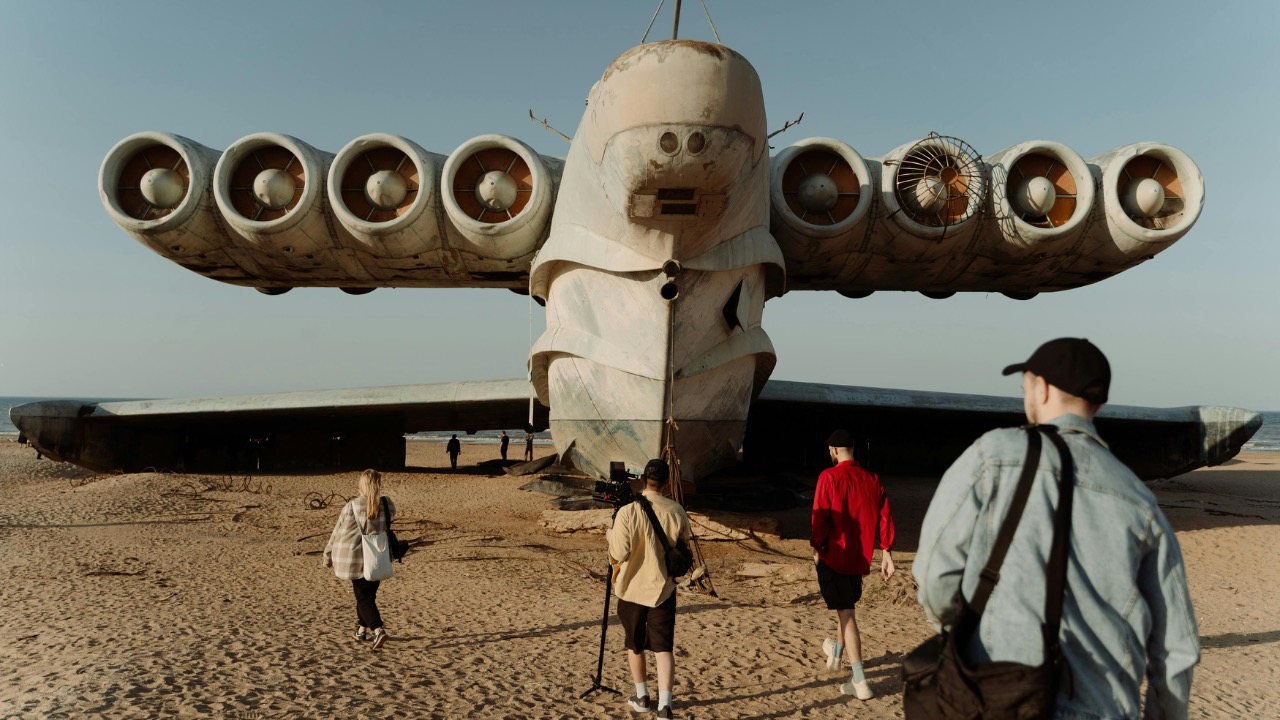
Military relic discovered in desert sparks renewed historical interest
A weathered military relic pulled from a remote stretch of desert has done more than add one more artifact to a museum shelf. It has reopened old questions about how empires moved, fought, and claimed territory, and it has reminded researchers how much of that story still lies buried under sand and scrub. From Arizona to the Sahara and the highlands of Turkey, similar finds are feeding a surge of public interest in long-ago campaigns that shaped modern borders.
The renewed attention is not just about a single object. It reflects a pattern that archaeologists and military historians have been tracking for years: deserts tend to preserve the hardware of conflict, and each discovery can reset the timeline of who arrived first, which technologies they carried, and how local communities were drawn into global struggles.
The Arizona cannon that rewrote a frontier timeline
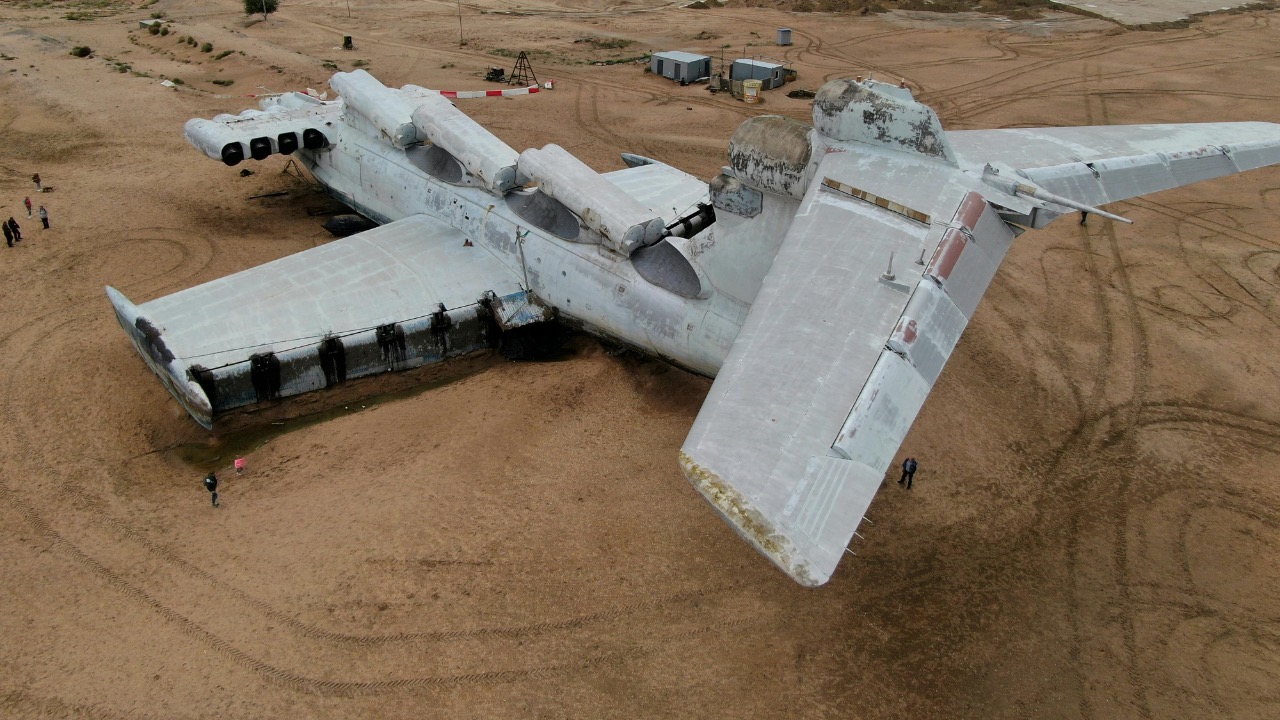
In the American Southwest, researchers have focused on a bronze weapon that may be the oldest surviving firearm found on United States soil. The 480-year-old piece, recovered in Arizona, has been linked by researchers to the 1539 to 1542 expedition led by Francisco Vázquez de Coronado, a campaign that pushed Spanish ambitions deep into Indigenous homelands and helped define the early colonial frontier. The team that studied the object has described it as the 480-year-old firearm that finally provides physical proof of Coronado’s presence in that specific desert corridor, rather than relying only on written chronicles.
The Arizona discovery has also spilled into broader public conversation through video segments that present it as the Oldest firearm in, used in the 1500s and preserved by the region’s dry conditions. By tying the cannon to a documented expedition, researchers can cross-check Spanish accounts against the physical wear, casting technique, and metal composition of the weapon. That kind of triangulation helps clarify how Coronado’s forces traveled, how heavily armed they were, and which routes they may have followed when they moved through what is now Arizona.
Buffalo Soldier relics and a forgotten desert fort
Far from colonial Arizona, another set of military artifacts has helped confirm the location of a long-lost desert fort that had slipped into legend. Guided by an old map, searchers traced the outline of what appeared to be a 19th century military outpost, then used a cluster of recovered items tied to Buffalo Soldier units to verify that the site matched historical records. Those Buffalo Soldier relics, including uniform fragments and military hardware, provided the missing link between archival maps and the physical landscape.
The rediscovered fort, located in an arid stretch that had seen little systematic survey work, highlights how military history often depends on small, personal objects rather than monumental ruins. Items carried by Buffalo Soldier troops, many of whom served on remote frontiers with limited recognition, now serve as primary evidence for the layout and daily life of the post. Confirmation of the site has encouraged historians to revisit unit diaries and army correspondence from that era, since the physical proof on the ground now offers a way to test written accounts of patrol routes, supply shortages, and clashes with local communities.
Satala and the long reach of Roman arms
Desert and steppe regions outside North America are producing similar surprises. At Satala, an ancient Roman military stronghold in northeastern Turkey, archaeologists unearthed a remarkable artifact in 2020 that immediately drew attention from specialists in imperial logistics and frontier warfare. Emerging from soil that had protected it for centuries, the find came from a site where Roman forces once monitored movement between Anatolia and the Caucasus, and it has been celebrated in posts that describe how history can literally rise from the ground at Satala in Turkey.
The Satala discovery has renewed interest in how Roman units adapted to harsh climates far from the Mediterranean core. Weapon fragments, armor fittings, and structural elements from the stronghold point to a garrison that had to balance heavy fortifications with the need to move quickly across rugged terrain. By comparing the Satala material with other Roman frontier sites, researchers are refining models of how supply chains functioned and how often units rotated through the stronghold. The site also offers a counterpoint to the Arizona and Buffalo Soldier examples, showing how very different empires used similar strategies when projecting power into desert or semi-desert zones.
Desert battlefields from the Sahara to Nevada
Modern conflicts have left their own layers of metal and concrete in arid regions. In the Sahara, an elderly local guide has become a minor figure in military history circles by trekking across remote dunes and unearthing war relics from the Second World War. Video of the old man walking the Sahara and lifting rusted equipment from the sand has helped viewers picture how tanks, trucks, and artillery once moved across what now appears to be empty wilderness. Each relic hints at supply lines, ambushes, and makeshift repairs that rarely make it into official war histories.
In the United States, a different kind of desert relic sits in Nevada, where a World War II naval artifact has been left to rust in an area once used for nuclear weapons testing. Reporting on the site describes how, between late March and the summer of 1957, one mushroom cloud after another rose over the desert as the United States tested atomic devices, and how a heavy gun barrel that looks like a cannon is in fact part of a ship system that never fired in combat. The Nevada desert artifact captures a different phase of military history, when the focus shifted from conventional artillery to nuclear deterrence, yet the hardware still ended up abandoned in the same kind of arid landscape that had preserved earlier weapons.
Why desert relics resonate with researchers and the public
Across these cases, a common theme emerges: deserts act as time capsules for military technology and the people who used it. The Arizona cannon linked to Coronado, the Buffalo Soldier artifacts that confirmed a forgotten fort, the Roman material from Satala, the Second World War equipment in the Sahara, and the naval hardware in Nevada all survived because dry conditions slowed decay and limited later construction. Archaeologists and historians increasingly treat these regions as archives where they can test written narratives against physical evidence, whether that means checking expedition routes or confirming the presence of specific units.
Specialists in conflict archaeology have also drawn on analytical frameworks similar to those described in studies of Return Fire, which emphasize how relic discoveries can shift understanding of tactics and technology. In the Arizona case, the 480-year-old firearm has prompted fresh coverage across related networks that track how the object was Discovered in Arizona, with references on Fox News-linked platforms, Outkick, Fox Business, nation.foxnews.com, and radio.foxnews.com reinforcing public fascination with a single 480-year-old object. That attention, in turn, encourages funding for new surveys and helps local communities see the research value in landscapes that might otherwise be dismissed as empty.

Leo’s been tracking game and tuning gear since he could stand upright. He’s sharp, driven, and knows how to keep things running when conditions turn.