Minneapolis Neighbor Shooting Case Raises Questions About Police Response Delays
A recent shooting involving neighbors in Minneapolis has raised serious questions about how quickly police responded and whether delays played a role in what happened. While details of the case are still being reviewed, the timeline of events — especially emergency calls and response times — has become a major focus.
Situations like this tend to draw attention not just because of the violence itself, but because of what might have prevented it. When neighbors are involved, the expectation is often that early intervention could make a difference. That’s why response delays, even by minutes, are now being closely examined by both investigators and the public.
What we know about the incident
Early reports suggest the shooting followed a dispute between individuals living near each other, though the exact cause of the conflict is still under investigation. Like many neighbor-related incidents, it appears the situation escalated over time rather than happening instantly.
Cases like this often involve prior tension, noise complaints, or disagreements that build up. Investigators typically look at whether there were warning signs or previous calls that could have indicated a risk before things turned violent.
Focus on police response timeline
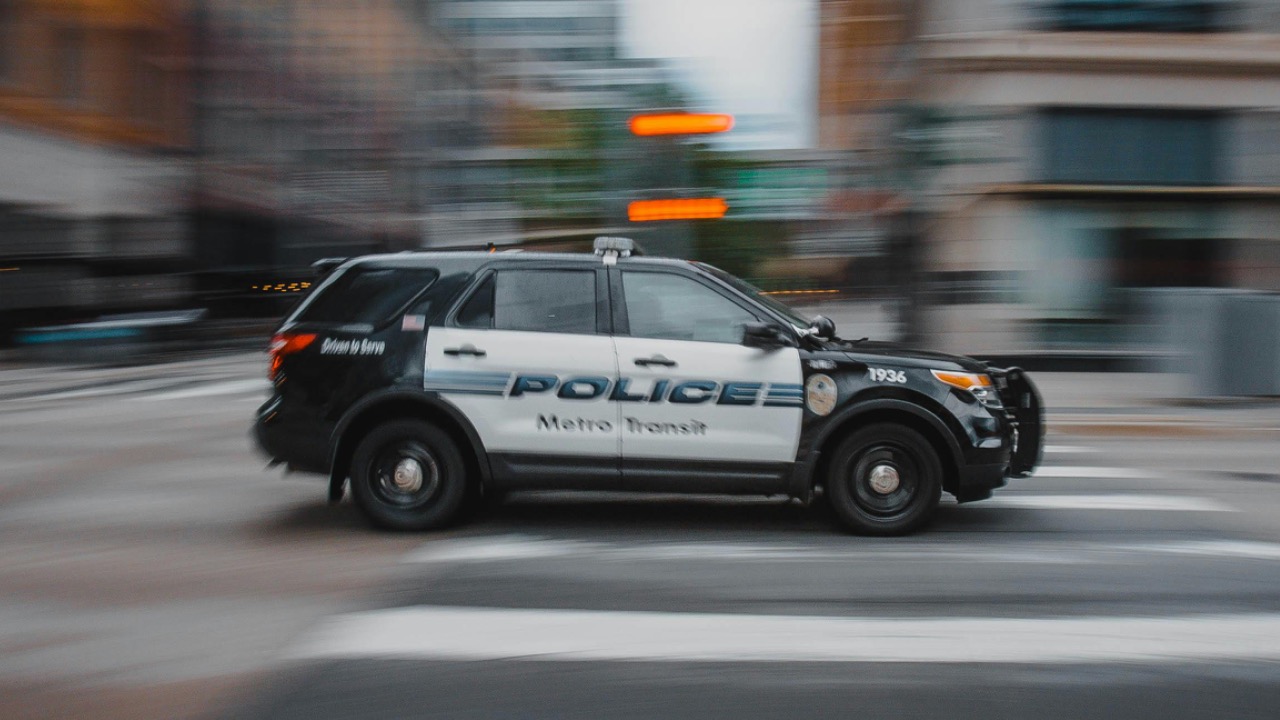
One of the biggest questions surrounding the case is how quickly officers arrived after emergency calls were made. In situations involving active threats, response time can be critical, especially when events are unfolding in real time.
Recent reporting on other incidents in Minneapolis has shown how chaotic emergency situations can be, with multiple calls, confusion at the scene, and delays in fully understanding what’s happening. Even small delays or miscommunication can affect how quickly help reaches the scene.
Why response delays matter so much
When people call 911, they expect immediate action. But in reality, response times can be affected by factors like call volume, location, and how information is communicated to dispatchers. In fast-moving situations, those variables can have real consequences.
In cases involving neighbors, there’s also the question of whether earlier intervention — even before the final incident — could have prevented escalation. That’s why investigators often look beyond the final emergency call and examine any previous reports or complaints tied to the same location.
Broader concerns about policing and coordination
The case is also feeding into broader concerns about how law enforcement operates during high-pressure situations. In recent months, Minneapolis has already faced scrutiny over how different agencies respond to tense or chaotic events, especially when multiple groups are involved.
That context matters, because it shapes how the public interprets new incidents. When trust is already strained, questions about response time and decision-making tend to carry more weight and lead to stronger reactions.
What happens next
Investigations into incidents like this usually focus on reconstructing a detailed timeline — when calls were made, how they were handled, and when officers arrived. That process can take time, especially if there are multiple witnesses or conflicting accounts.
Depending on what investigators find, the case could lead to internal reviews, policy changes, or even public hearings about emergency response standards. For now, the focus remains on understanding exactly what happened and whether anything could have been done differently.

Leo’s been tracking game and tuning gear since he could stand upright. He’s sharp, driven, and knows how to keep things running when conditions turn.