Missouri confirms new mountain lion sightings
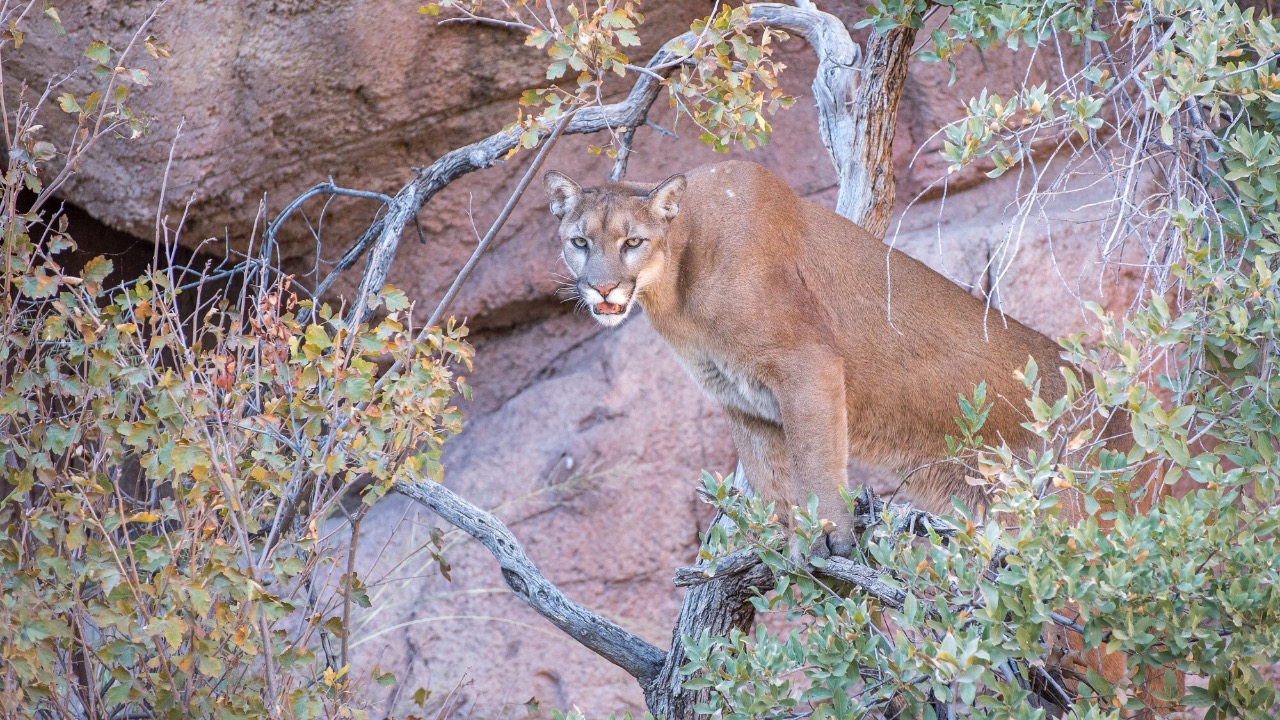
For years, mountain lion sightings in Missouri have lived somewhere between rumor and reality. Trail cam photos, fleeting glimpses, and secondhand stories have circulated across the state, but confirmed evidence has always been limited. That’s starting to change. With more verified sightings coming from the Missouri Department of Conservation, you’re seeing a clearer picture of how these big cats are moving through the state.
What matters isn’t panic—it’s understanding. These aren’t breeding populations, at least not yet. But dispersing lions, mostly young males, are covering serious ground. If you spend time outdoors in Missouri, especially in remote or wooded areas, it’s worth paying attention to what these new confirmations actually mean.
Most Confirmed Lions Are Transient Males
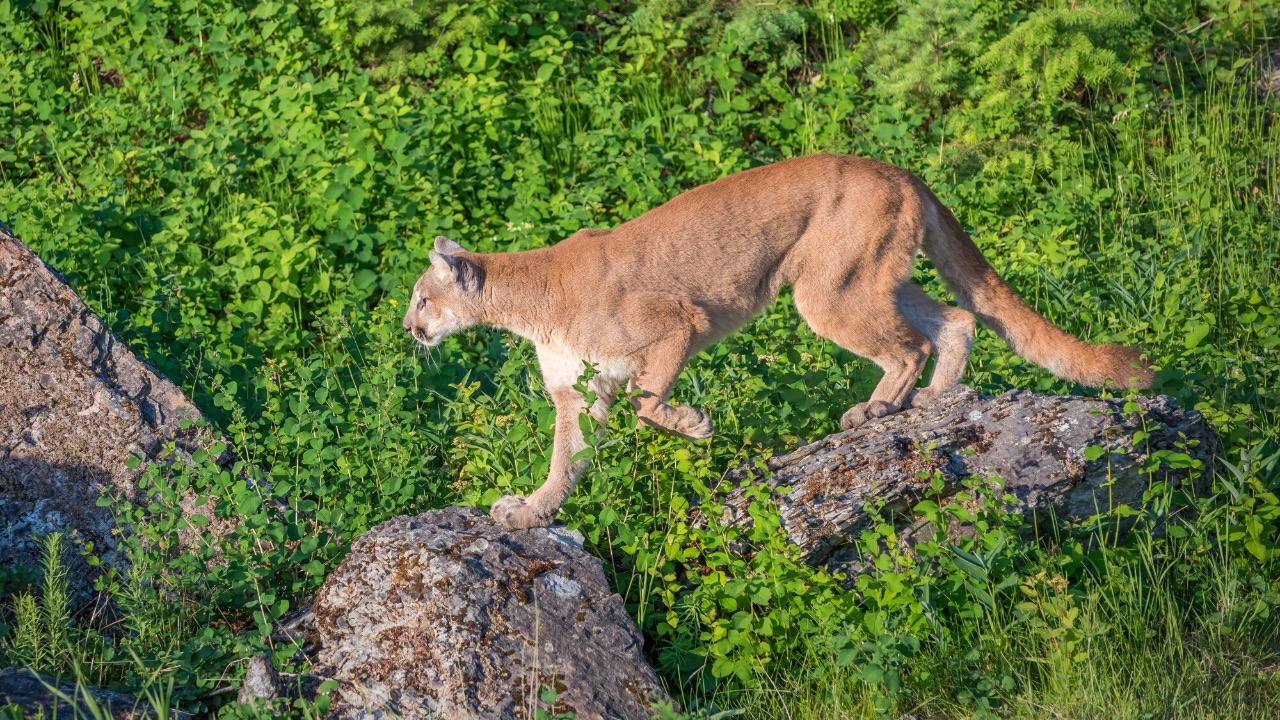
When Missouri confirms a mountain lion, it’s almost always a young male passing through. These cats are pushed out of established territories in western states and start roaming east in search of new ground.
You’re not looking at a stable population. These animals can cover hundreds of miles, moving quietly through farmland, river corridors, and timber without ever being noticed. That’s why sightings feel random. One day there’s a confirmed track or trail cam image, and then nothing. It doesn’t mean the lion disappeared—it likely kept moving. Understanding that pattern helps explain why sightings don’t cluster the way you’d expect if there were a breeding group.
Trail Cameras Are Driving Most Confirmations
Years ago, most sightings relied on eyewitness reports, which are easy to question. Now, trail cameras have changed the game. Clear images with timestamps and location data give wildlife officials something they can actually verify.
If you run cameras for deer or turkey, you’re part of that system whether you realize it or not. A surprising number of confirmed lions come from private land setups. The images often show a cat moving at night, sticking to edges of cover or following natural travel routes. You’re not seeing them out in the open very often, which explains why hunters can spend decades in the woods without ever spotting one.
River Corridors Act Like Highways
If you look at where sightings happen, a pattern starts to show. River systems—especially the Missouri and Mississippi tributaries—act as natural travel corridors. They offer cover, water, and prey, all in one line of travel.
If you hunt near these areas, you’re more likely to be in the same territory a lion might pass through. These cats don’t need vast wilderness to move. They’ll follow timber strips, creek bottoms, and brushy edges that most people overlook. That’s why sightings can happen surprisingly close to farmland or even small towns without much warning.
Confirmations Require Physical Evidence
Not every report turns into an official sighting. Missouri takes a hard line on confirmation. They’re looking for physical proof—clear photos, tracks verified by biologists, or DNA samples from hair or scat.
That standard weeds out a lot of mistaken identity cases. Bobcats, large dogs, and even coyotes get misidentified more often than people realize. When a sighting is confirmed, it carries weight because it’s been vetted. For you, that means paying attention to those reports matters more than chasing every story you hear at a gas station or feed store.
Livestock Losses Remain Rare
One of the biggest concerns people have is livestock predation. So far, confirmed mountain lion attacks on livestock in Missouri are extremely rare. Most of these transient cats are focused on natural prey like deer.
That doesn’t mean it can’t happen, but it’s not a widespread issue. If you run cattle or smaller animals, basic precautions still go a long way—especially at night. For hunters, it’s another reminder that these lions are moving through quietly without leaving much of a footprint on the landscape beyond occasional sightings.
Deer Behavior Can Shift Subtly
You’re not likely to see dramatic changes in deer populations from a single passing lion, but behavior can shift in small ways. Deer may become more alert in certain areas or adjust travel patterns temporarily.
If you’re paying close attention while scouting, you might notice deer avoiding certain draws or thick cover for a short period. These changes don’t last long when the lion moves on, but they can throw off your expectations if you’re not aware of what’s happening. It’s one more variable in the woods that doesn’t show up on a map.
Sightings Are Increasing, Not Exploding
It’s easy to assume that more confirmed sightings mean a growing population. In reality, it’s often a result of better reporting and more cameras in the woods.
You’ve got more eyes out there than ever before. Every hunter with a cell cam is essentially part of a statewide observation network. That leads to more confirmations, even if the number of lions passing through hasn’t changed much. It’s a shift in awareness, not necessarily a sudden surge in animals.
Most Movement Happens at Night
Mountain lions in Missouri are almost entirely nocturnal while passing through. They avoid people, roads, and open areas during daylight hours whenever possible.
That’s why even hunters who spend sunrise to sunset in the woods rarely see them. The cats are moving when you’re back at camp or home for the night. Trail cam data backs this up, with most confirmed images captured well after dark. If you do see one in daylight, it’s an exception—and one worth paying attention to.
Breeding Population Still Isn’t Confirmed
Despite years of sightings, Missouri still doesn’t have confirmed evidence of a breeding population. No verified dens, no confirmed females with kittens that establish residency.
That matters more than anything else. Transient males passing through is one thing. A breeding population would mean long-term presence and more consistent interaction with the landscape. Until that changes, what you’re seeing are visitors, not residents. It’s an important distinction that keeps the situation grounded in reality rather than speculation.
What It Means for You in the Field
If you spend time hunting, hiking, or working land in Missouri, these sightings don’t mean you need to change everything you’re doing. But they do mean you should stay aware.
Keep an eye on fresh sign, check your trail cameras carefully, and don’t ignore credible reports in your area. You’re sharing the landscape with a predator that knows how to stay hidden. Most of the time, it’ll pass through without you ever knowing it was there. But every once in a while, you might catch a glimpse—or a photo—that reminds you just how much is moving through the woods when you’re not looking.

Asher was raised in the woods and on the water, and it shows. He’s logged more hours behind a rifle and under a heavy pack than most men twice his age.