
The biggest misconceptions new shooters have about small calibers
Small calibers get talked about like they’re either magic or useless, and neither take holds up once you’ve spent time behind the trigger. New shooters tend to latch onto simple explanations—low recoil, cheap ammo, easy shooting—and assume that translates across every situation. It doesn’t.
The truth is, smaller cartridges come with trade-offs that aren’t obvious at first. They can teach good habits, but they can also hide bad ones. They’re effective in the right context, but they demand more discipline than people expect. If you spend enough time watching new shooters progress, you’ll see the same misunderstandings show up again and again. Here’s where those ideas fall apart.
Small Calibers Don’t Require Good Fundamentals
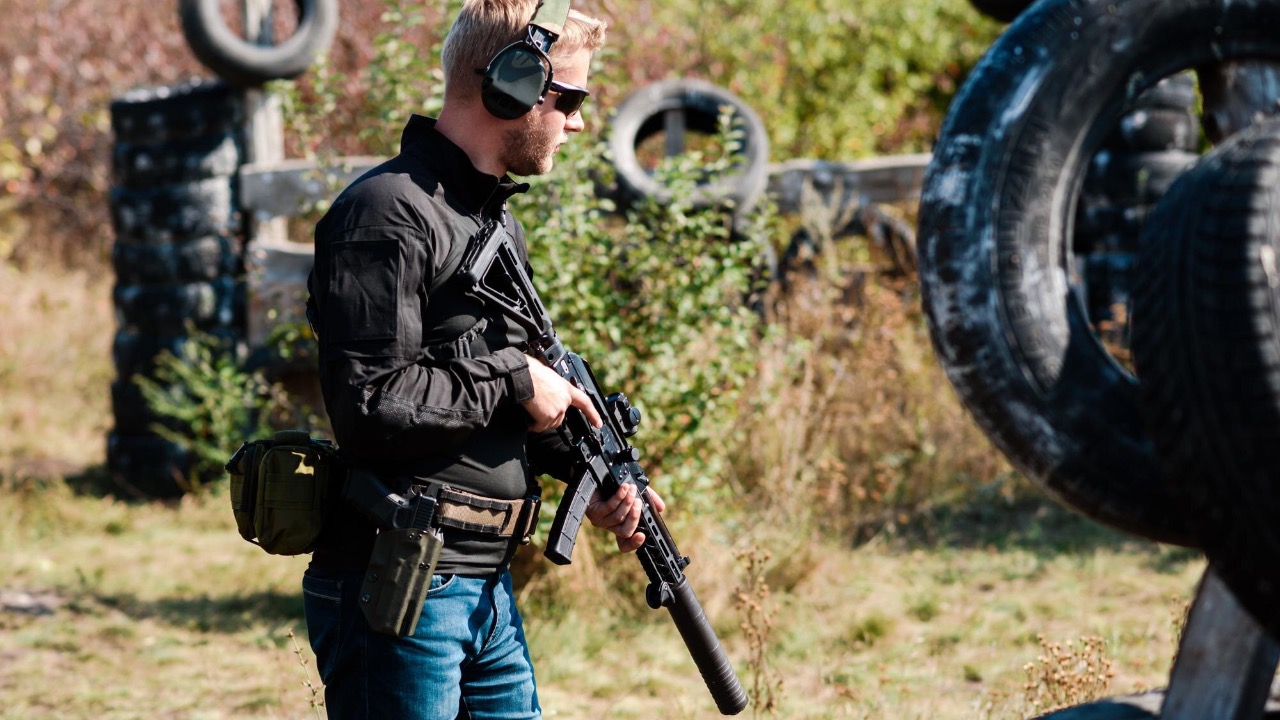
A lot of new shooters think light recoil means technique doesn’t matter much. You see it at the range all the time—loose grip, inconsistent stance, and sloppy trigger work that still somehow produces acceptable groups.
The problem shows up later. Small calibers often mask mistakes rather than punish them. When you move up to something with more recoil, those habits get exposed fast. If you don’t build proper fundamentals early, you end up relearning everything under more pressure. Smaller rounds are a training tool, not a shortcut. They reward good technique, but they don’t force it unless you hold yourself accountable.
They’re Always Cheaper to Shoot
It’s true that many small calibers cost less per round, but that doesn’t automatically mean you’ll spend less money. In fact, the opposite often happens.
Because recoil is light and shooting feels easy, you tend to burn through ammunition faster. Range sessions stretch longer, magazines get emptied quicker, and practice becomes less deliberate. Over time, the volume adds up. You may end up spending more overall than you would with a larger caliber that naturally slows you down. Cost per round is only part of the equation—how you shoot matters just as much.
Less Recoil Means More Accuracy
New shooters often assume that reduced recoil equals tighter groups, but that only tells part of the story. While it’s easier to stay on target, small calibers can expose other issues.
Trigger control becomes more noticeable, especially when there’s less recoil to mask movement. Sight alignment errors stand out more clearly, and poor follow-through shows up in your groups. Accuracy isn’t handed to you by the cartridge. In many cases, smaller calibers demand more attention to detail because there’s nothing covering up the mistakes.
They’re Always Better for Beginners
Small calibers get recommended to beginners almost automatically, but that advice doesn’t always fit. It depends on what you’re trying to learn.
If a new shooter spends too long with a low-recoil platform, they can develop habits that don’t translate well to defensive or hunting firearms. Recoil management, timing, and grip pressure all feel different when you step up in caliber. Starting small has its place, but it shouldn’t be the only experience. A balanced approach builds better shooters than staying in a comfort zone too long.
They Don’t Require Much Maintenance
There’s a common idea that small caliber firearms are low-maintenance because they produce less recoil and pressure. That’s not entirely true.
Some smaller cartridges, especially rimfire rounds, can be dirtier than people expect. Fouling builds up quickly, and reliability can drop off if you ignore cleaning. Misfires and feeding issues show up more often when maintenance gets skipped. If anything, small caliber guns can demand more attention to stay running smoothly over time.
Wind Doesn’t Matter as Much
At shorter distances, wind might not seem like a factor, which leads new shooters to underestimate its effect entirely. But small calibers are more sensitive to environmental conditions than many realize.
Light bullets lose velocity faster and drift more in crosswinds. As soon as you stretch the distance, even a mild breeze can push shots off target. If you don’t learn to read wind early, it becomes a major obstacle later on. Small calibers can actually be one of the best ways to learn this—if you pay attention instead of assuming conditions don’t matter.
They’re Not Suitable for Serious Use
On the other end of the spectrum, some new shooters dismiss small calibers as toys or range-only options. That thinking overlooks how effective they can be in the right role.
Shot placement, bullet selection, and range all matter more than caliber alone. Small cartridges have been used successfully for hunting and defense when applied correctly. The key is understanding their limits and working within them. Writing them off entirely is as misguided as expecting them to perform like larger rounds in every situation.
You Can Skip Ammo Selection
Because the cartridges are smaller, new shooters sometimes assume all ammunition performs roughly the same. That’s rarely the case.
Bullet type, velocity, and quality can vary widely, even within the same caliber. Some loads are more reliable, others are more accurate, and some behave very differently on impact. Ignoring those differences leads to inconsistent performance and confusion on the range. Paying attention to what your firearm prefers makes a noticeable difference, even with the smallest calibers.
They Don’t Teach Recoil Management
There’s a belief that small calibers don’t help you prepare for managing recoil, so time spent with them isn’t useful beyond basic shooting. That’s not quite right.
While they don’t replicate the force of larger cartridges, they still allow you to build grip strength, trigger discipline, and follow-through. Those skills carry over directly. What they don’t do is prepare you for the physical side of recoil. You still need to step up at some point, but the foundation built with smaller calibers is more valuable than many give it credit for.
More Rounds Means Better Training
Higher capacity and lower recoil often lead new shooters to focus on volume over quality. It feels productive to send a lot of rounds downrange, especially when it’s easy to control the gun.
But repetition without purpose doesn’t build skill. Small calibers make it easy to fall into that pattern. You end up reinforcing the same mistakes instead of correcting them. Slowing down, focusing on individual shots, and setting clear goals matters more than how many rounds you fire. The advantage of a small caliber is control—not an excuse to rush through practice.

Asher was raised in the woods and on the water, and it shows. He’s logged more hours behind a rifle and under a heavy pack than most men twice his age.