‘More ICE than you’ve ever seen’: Trump official warns of massive immigration enforcement surge in New York City
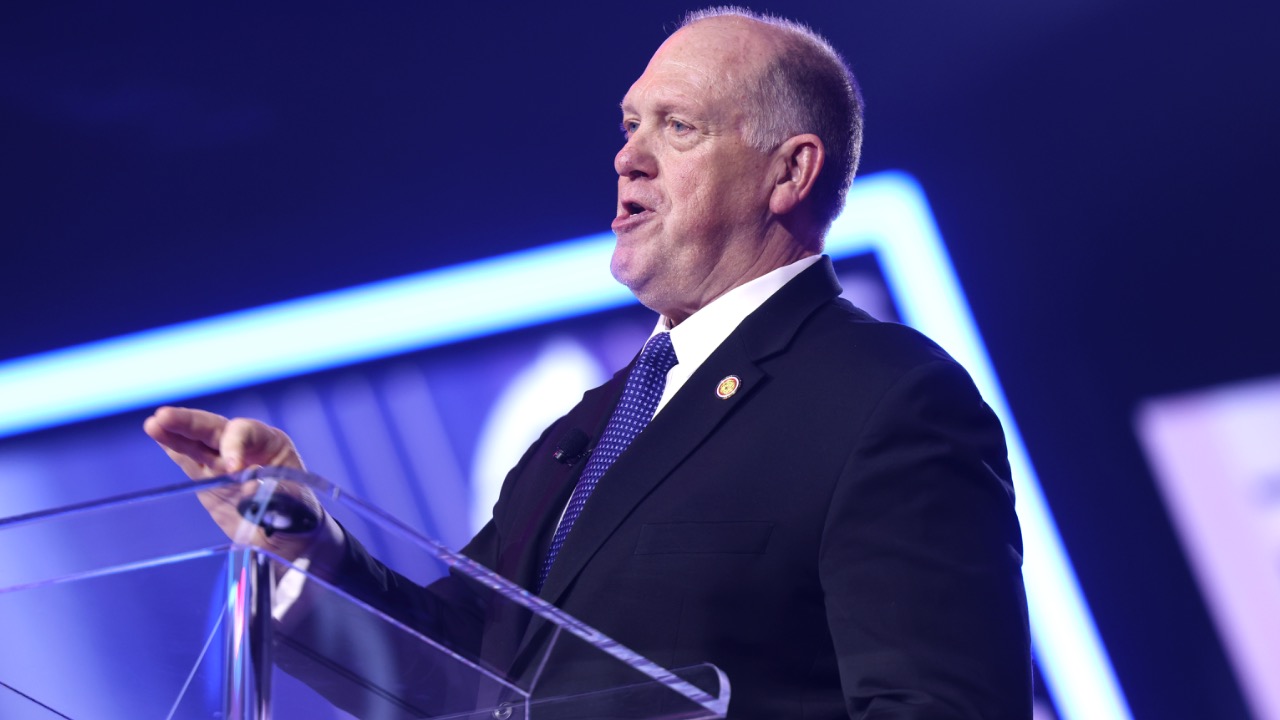
Tom Homan, the border czar in the Trump administration, delivered a pointed message this week about stepped-up immigration enforcement in New York. Speaking on Fox News, he said local officials would soon encounter more ICE agents than ever before in the city. The comments come amid ongoing clashes between federal authorities and state leaders over how immigration laws get enforced on the ground.
Homan mentioned reviewing a specific operational plan, though he stopped short of sharing details on timing. His remarks highlight the administration’s push to prioritize removals in sanctuary areas that have limited cooperation with federal agents. For residents and local leaders in New York, this signals potential shifts in daily encounters with enforcement actions.
The Spark From State Legislation
New York Governor Kathy Hochul recently signed a measure that places new limits on certain ICE activities within the state. Among other provisions, it restricts operations and prohibits agents from wearing masks during them. Homan indicated he had warned her against moving forward with the bill, framing the coming surge as a direct response.
This legislative step reflects long-standing tensions in New York, where local policies often emphasize protections for immigrant communities. Federal officials see these approaches as obstacles to carrying out nationwide priorities on border security and interior enforcement. The result is a standoff that could play out visibly in the streets and neighborhoods of the city.
Homan’s Track Record in Enforcement
As a longtime figure in immigration matters, Homan has consistently advocated for stronger interior actions to support border efforts. His latest comments align with the administration’s broader goals of increasing arrests and removals, especially in places perceived as resistant. Past operations in other cities have shown how quickly federal resources can concentrate when directed.
Supporters view this approach as necessary to restore order and deter illegal immigration. Critics worry about the community impacts, potential collateral effects on families, and strains on local resources. In a place as dense and diverse as New York City, any large-scale presence of agents would draw immediate attention and debate.
Local Leaders Push Back
New York City’s political leadership has taken a firm stance against expanded federal immigration actions. Mayor Zohran Mamdani and others have voiced opposition, with some calling for even stronger sanctuary measures or limits on cooperation. These positions put them at odds with the incoming federal plans.
The divide underscores deeper national disagreements about immigration. While federal law grants ICE broad authority, local resistance can complicate logistics and public perception. How this plays out in New York may influence similar dynamics in other major cities facing comparable pressures.
What a Surge Could Look Like
Enforcement actions in the city might focus on individuals with criminal records or prior removal orders, though broader workplace or community operations remain possible. Officials have not detailed targets publicly, but the scale Homan described suggests a noticeable increase in agent activity.
For everyday New Yorkers, this could mean more visible patrols, checkpoints, or arrests in certain areas. Immigrant advocacy groups are already preparing resources and legal support, while some residents express hope that it will address concerns about public safety and strained services. The coming weeks will likely bring clearer indications of how the plan unfolds.
Broader Context in National Policy
This development fits into the Trump administration’s wider immigration strategy, which includes hiring more agents, expanding detention capacity, and prioritizing removals. New York has long been a focal point due to its size, sanctuary status, and high number of undocumented residents.
The outcome here could set a tone for enforcement elsewhere. Success in overcoming local hurdles might encourage similar efforts in other states, while complications could fuel further legal and political battles. As the operational plan moves forward, both sides are watching closely to see how it balances security goals with community realities.

Asher was raised in the woods and on the water, and it shows. He’s logged more hours behind a rifle and under a heavy pack than most men twice his age.