Mountain lion encounters are increasing — here’s what to know
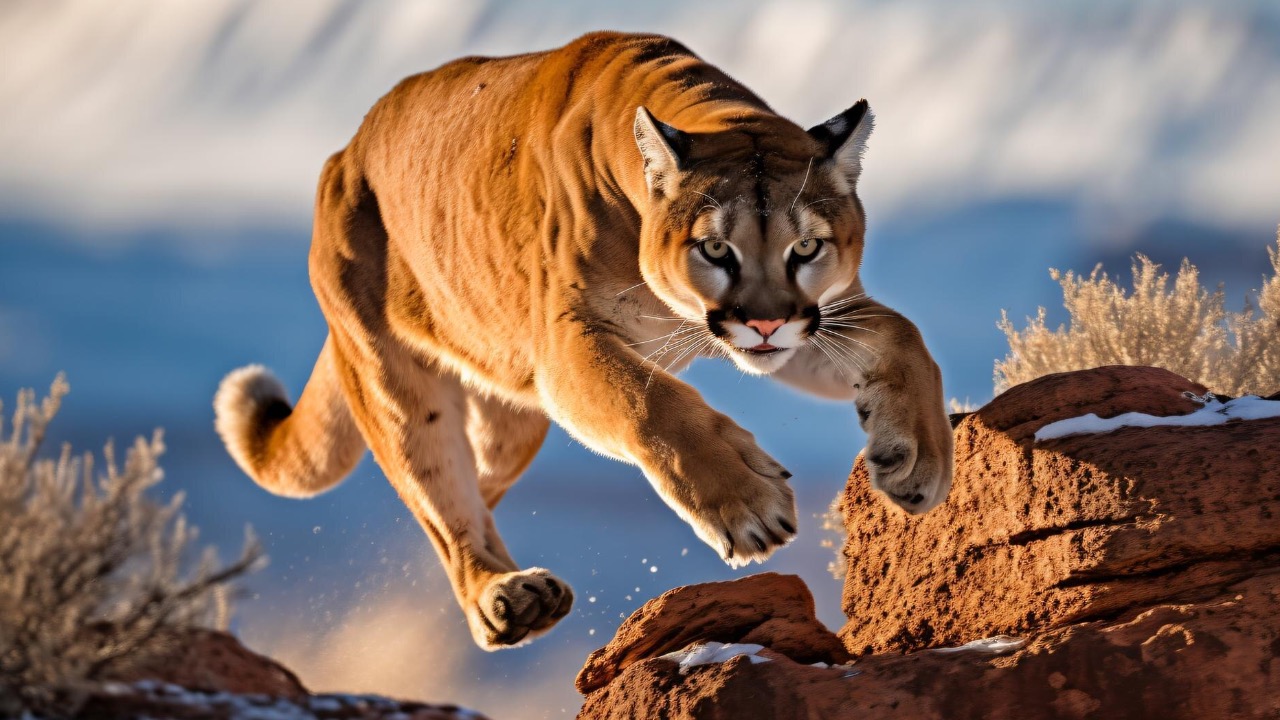
You’re hearing about it more often now—trail cam photos, neighborhood sightings, hikers running into cats where they didn’t expect them. Encounters with mountain lion aren’t new, but they are getting more common in certain places, and they’re happening closer to where people live and recreate.
That doesn’t mean you’re suddenly in constant danger. It does mean you should understand why it’s happening and how these animals behave. A little awareness goes a long way when you’re sharing ground with a top predator that’s built to stay unseen until it decides otherwise.
Expanding Populations Are Filling Old Territory Again

In many western states, mountain lion populations are stable or growing. Decades of regulated hunting and conservation have allowed them to reclaim parts of their historic range.
As numbers rise, younger cats get pushed out by dominant adults and start looking for new ground. That’s when you see them show up in fringe areas—edges of towns, foothills, and places that didn’t have regular lion activity for years. You’re not seeing more lions because they suddenly appeared. You’re seeing them because there are more of them competing for space.
Suburban Growth Is Pushing Into Lion Habitat
Take a look at where new housing is going up—canyons, ridgelines, and timber edges. That’s prime lion country. As development spreads, it overlaps with the places lions already use.
You end up with cats moving through greenbelts, golf courses, and backyards because those areas still hold prey. Deer don’t mind neighborhoods, and where deer go, lions follow. It’s not that lions are targeting people—it’s that people are living closer to where lions hunt and travel.
Deer Populations Are Drawing Lions Closer to People
If you’ve got healthy deer numbers near town, you’ve got the main ingredient lions need. They key in on reliable food sources, and suburban deer can be as predictable as it gets.
That creates a pattern. Lions learn travel routes, bedding cover, and feeding areas, even if those spots are within sight of houses. When prey sticks around year-round, predators do too. You’re more likely to run into a lion where deer feel comfortable, especially at dawn and dusk when both species are on their feet.
Most Lions Avoid You—Until They Don’t
A mountain lion’s first move is usually to stay hidden or slip away. They’ve spent generations avoiding people, and that instinct is still strong.
But not every encounter follows that script. Young cats, injured animals, or lions that have lost their fear can behave differently. When that happens, you may see one hold its ground or watch you longer than you’d like. Those are rare situations, but they’re the ones you need to take seriously. Knowing how to react matters when avoidance isn’t part of the equation.
Running Triggers the Wrong Response
You can’t outrun a mountain lion, and trying flips a switch you don’t want flipped. Their whole body is built to chase, and sudden movement can trigger that instinct fast.
If you encounter one, your job is to stay upright, make yourself look bigger, and keep eye contact without turning your back. Back away slowly and give it space to leave. Most confrontations end without contact, especially when you don’t act like prey. It sounds basic, but in the moment, it takes discipline to stand your ground.
Kids and Pets Are the Most Vulnerable
Lions size up risk versus reward. Smaller targets fall into that equation more easily than a full-grown adult. That’s why children and pets are at higher risk during an encounter.
Keeping kids close on the trail and pets on a leash isn’t overkill in lion country—it’s common sense. Many incidents happen quickly and close to home, not deep in the backcountry. If you’re in an area with known lion activity, supervision and awareness go a long way toward avoiding a bad situation.
Attacks Are Rare, But They Do Happen
You’re far more likely to hike, hunt, and camp your whole life without a problem. Documented attacks are uncommon, especially compared to how often people share space with lions.
That said, “rare” doesn’t mean “impossible.” When attacks happen, they’re often tied to the factors already mentioned—young lions, human encroachment, or prey overlap. It’s worth respecting the risk without exaggerating it. Treat lion country like what it is: wild ground with a predator that deserves your attention.
Hunting and Management Play a Role in Behavior
In states where mountain lion hunting is allowed, it can influence how lions behave around people. Pressure tends to keep cats wary and more likely to avoid human activity.
In areas without that pressure, some lions become more accustomed to human presence over time. That doesn’t mean they’re tame—it means their boundaries can shift. Wildlife agencies use a mix of tools, including regulated hunting and targeted removal, to manage populations and reduce conflict. It’s an ongoing balance, and you’re seeing the results of how that balance is handled in your area.
You don’t need to be afraid to spend time outside. You do need to pay attention. mountain lion country has always demanded a little awareness, and that hasn’t changed. What has changed is how often your path might cross theirs—and how important it is to be ready when it does.

Asher was raised in the woods and on the water, and it shows. He’s logged more hours behind a rifle and under a heavy pack than most men twice his age.