‘Never Give Up Your Guns’: American Warnings Over UK-Style Disarmament Grow Louder Amid Rising Violence
Americans watching events across the Atlantic have grown more vocal in their opposition to proposals that mirror the United Kingdom’s strict approach to firearms. Decades of incremental restrictions in Britain, culminating in near-total handgun bans after the 1997 Dunblane massacre, reshaped civilian access to guns. While gun-related deaths remain low there, overall violent crime patterns have drawn scrutiny, particularly around knife offenses that have fluctuated in recent years. Many in the United States see this as evidence that removing legal firearms from law-abiding citizens fails to address deeper issues of violence.
The Path of UK Firearms Restrictions
Britain tightened gun rules steadily through the 20th century. The 1920 Firearms Act introduced licensing, and later measures after mass shootings limited handguns and certain long guns. By the late 1990s, most handguns were prohibited for civilians. Supporters argued this would reduce armed violence. In practice, legal gun ownership dropped sharply, with sports shooters and farmers facing heavier bureaucracy.
Police data shows firearm offenses involving non-air weapons have varied, sometimes falling in recent tallies to around 5,000 annually. Yet critics point out that criminals shifted to other tools. This history fuels American arguments that similar steps would leave citizens vulnerable without solving underlying crime drivers.
Violence Trends After Gun Limits
Following the handgun ban, recorded violent crime in England and Wales increased for a period. Some analyses noted rises in serious incidents during the late 1990s and early 2000s. Homicides edged higher before later declining. Knife-enabled offenses have remained a persistent concern, with tens of thousands recorded yearly, including over 49,000 in one recent period despite some decreases.
Hospital admissions for sharp object assaults and youth involvement in stabbings have kept the issue visible. These developments lead many observers in the United States to question whether disarming the general population simply redirects threats rather than eliminating them.
American Perspectives on British Experience
Voices in the United States often reference the UK as a cautionary case. Gun rights advocates argue that law-abiding owners deter crime, and stripping that capability invites more predation. Public commentary highlights how British restrictions left citizens reliant on police response times that can prove too slow in urgent situations.
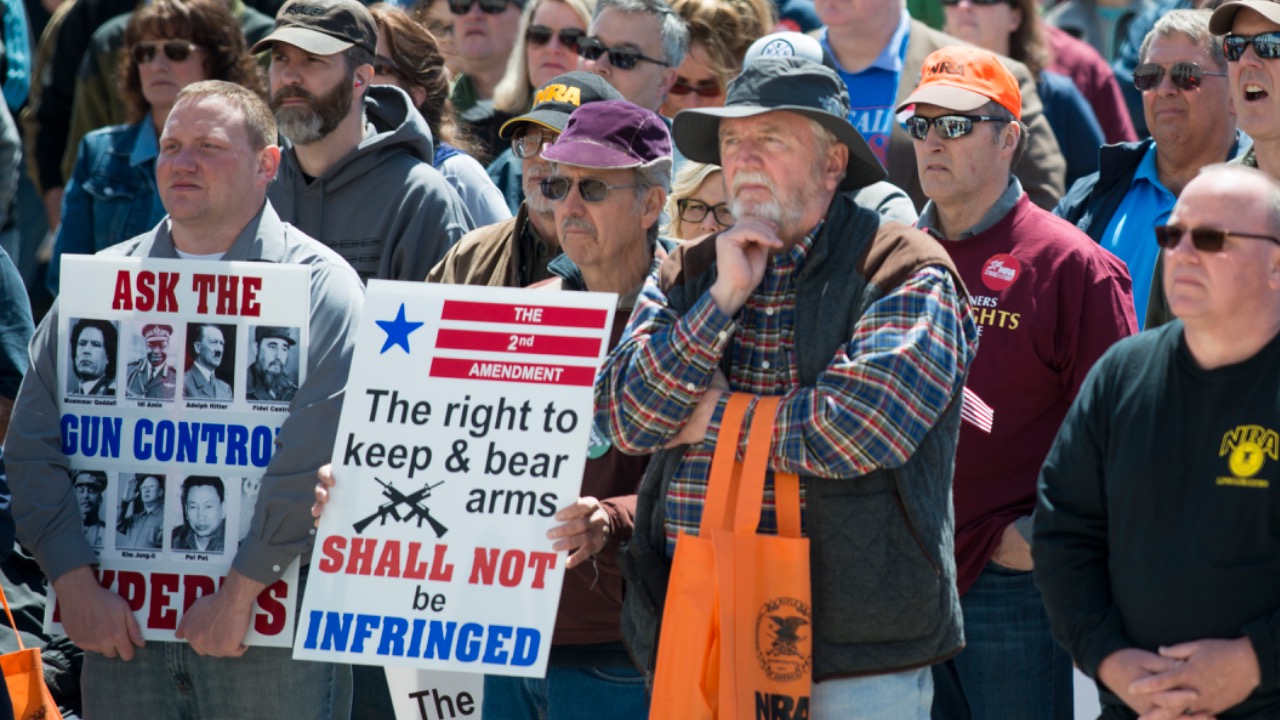
Polls and statements from American groups show resistance to comparable federal measures. They view the Second Amendment as a safeguard against both crime and potential overreach, informed by reports of continued violence in disarmed societies. This stance has grown firmer amid debates over domestic policy.
Comparing Homicide Patterns Across Nations
The United States records far higher firearm homicides per capita than the UK, where guns feature in few killings. However, overall homicide rates tell a more nuanced story when knives enter the equation. Britain has seen sharp instruments used in a large share of murders, sometimes accounting for over 40 percent in certain years.
Knife crime statistics have shown increases over longer periods, even as gun access stayed minimal. American commentators note their country’s higher total gun deaths but emphasize that legal ownership correlates with defensive uses and lower vulnerability in some contexts. Cross-national data underscores cultural and enforcement differences beyond mere laws.
Concerns Over Incremental Controls
Many Americans fear that initial limits lead to broader confiscations, as seen in Britain’s progression from registration to bans. Once authorities track ownership, subsequent restrictions become easier to enforce. This pattern raises worries about eroding self-reliance.
Discussions often center on whether governments can protect populations fully without armed citizens. Recent UK crime figures, including persistent knife incidents, reinforce arguments that disarmament trades one risk for another without clear safety gains.
These points shape ongoing resistance to UK-style policies in the United States.

Asher was raised in the woods and on the water, and it shows. He’s logged more hours behind a rifle and under a heavy pack than most men twice his age.