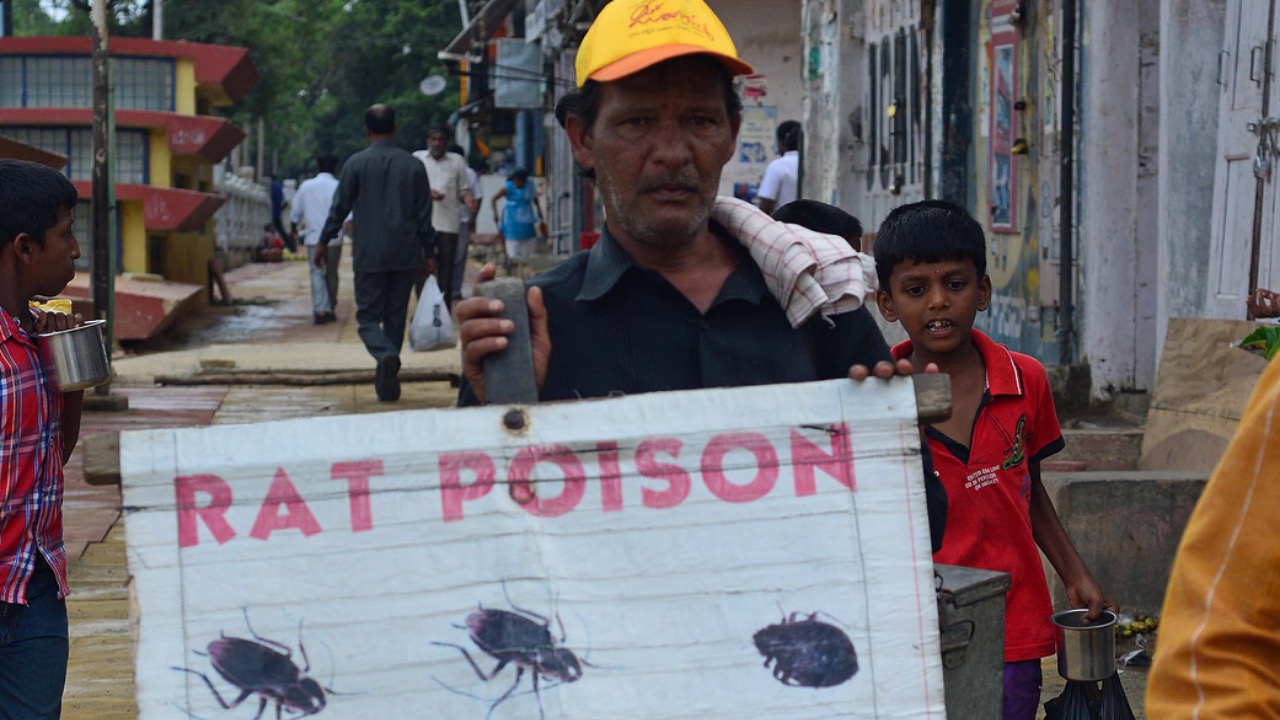
Widespread Rat Poison Use is Decimating US Owls, Hawks and Other Wildlife, New Studies Warn
You encounter these birds of prey soaring overhead or perched silently at dusk, and they represent a vital balance in the landscapes around you. Yet new research shows that common rat poisons, particularly second-generation anticoagulant rodenticides, have spread far beyond their intended targets. Studies across states like Massachusetts, New York, and California reveal high levels of these toxins in owls, hawks, eagles, and other predators. The chemicals linger in tissues, causing internal bleeding and weakened abilities that lead to death from seemingly minor injuries or collisions.
This contamination has reached alarming consistency in wildlife samples. Pathologists and clinics document exposure rates that often exceed 70 to 100 percent in certain raptor populations, highlighting how everyday pest control practices quietly reshape entire food webs.
The Way These Toxins Travel Up the Chain
Rodents consume bait laced with poisons designed to prevent blood clotting. They do not die immediately, which leaves them vulnerable and slow-moving for days. When owls and hawks hunt these animals, the chemicals transfer directly into their systems. The poisons accumulate over time because predators eat multiple rodents, building up residues in their livers and organs.
This secondary poisoning affects not only direct consumers but also scavengers and higher-level predators. Eagles and other raptors face similar risks when they feed on contaminated prey or carcasses. Researchers note that second-generation versions persist longer in the environment, making repeated exposure more likely across seasons and habitats.
Exposure Rates Found in Key Species
Recent examinations of red-tailed hawks admitted to clinics showed every tested individual carried anticoagulant rodenticides, with many having multiple types. Similar patterns appear in great horned owls and other common raptors recovered in urban and suburban areas. In New York state data, a large majority of dead raptors from parks contained detectable levels.
Bald eagles and golden eagles also show widespread traces, with over 80 percent in some sampled groups testing positive. These findings come from multiple independent studies spanning several years, pointing to a national issue rather than isolated incidents. The data underscores how generalist hunters that live near human activity absorb the highest loads.
Effects Beyond Immediate Death
Many birds survive initial exposure only to suffer reduced hunting success or coordination problems. Internal bleeding from minor trauma becomes life-threatening when clotting factors fail. Weakened individuals fall victim more easily to vehicles, disease, or starvation.
Rehabilitation centers observe these sublethal impacts regularly. Birds arrive disoriented or injured in ways that seem survivable under normal conditions. The presence of poisons complicates recovery and contributes to population-level declines over generations, as breeding adults and juveniles both face ongoing risks.
Regional Patterns Across the Country
Urban centers like New York City and Boston report some of the highest concentrations due to dense rodent control efforts around buildings and parks. Yet rural and agricultural zones also show contamination where poisons target crop-damaging rodents. California studies highlight exposure in mountain lions and other mammals alongside birds.
Midwestern and Northeastern wildlife clinics document parallel trends. Even protected or less populated areas feel the ripple effects as mobile predators carry residues across boundaries. The consistency across geographies suggests the problem stems from broad availability and use patterns rather than local anomalies.
Efforts to Address the Issue
Federal agencies have evaluated restrictions on these potent rodenticides, citing threats to dozens of species. Some states pursue tighter controls on sales and application, favoring professional use only in specific settings. Advocacy groups push for expanded monitoring and public education on risks.
Industry representatives argue the chemicals remain necessary for effective pest management in certain contexts. Balancing these views continues in regulatory discussions, with calls for more research into long-term ecological costs. Progress varies by location, but momentum builds from accumulating scientific evidence.
Practical Steps You Can Take
Focus on integrated pest management around your property by sealing entry points and removing food sources that attract rodents. Consider mechanical traps or natural deterrents where possible instead of chemical baits. Support local policies that limit unrestricted access to second-generation products.
Sharing accurate information with neighbors and community groups helps shift practices. Simple changes in how areas manage waste and landscaping reduce reliance on poisons while protecting the wildlife you value in your surroundings.

Asher was raised in the woods and on the water, and it shows. He’s logged more hours behind a rifle and under a heavy pack than most men twice his age.