New 2026 Hiking Trails Everyone’s Talking About: From Slovenia’s Hidden Gems to Canada’s Rockies Rail Path
You don’t have to look far to see how fast the hiking world is changing. Land managers are opening new routes, rail corridors are being converted, and long-forgotten paths are getting rebuilt with modern access in mind. Some of these trails have been years in the making. Others came together quickly as demand for outdoor space kept climbing.
What matters to you is what’s worth your time. Not every new trail lives up to the early buzz, but a handful stand out for how they’re built, where they go, and what they offer once you’re on them. These are the ones people keep talking about in 2026—and for good reason.
Slovenia’s Juliana Trail Expansion Keeps Gaining Ground
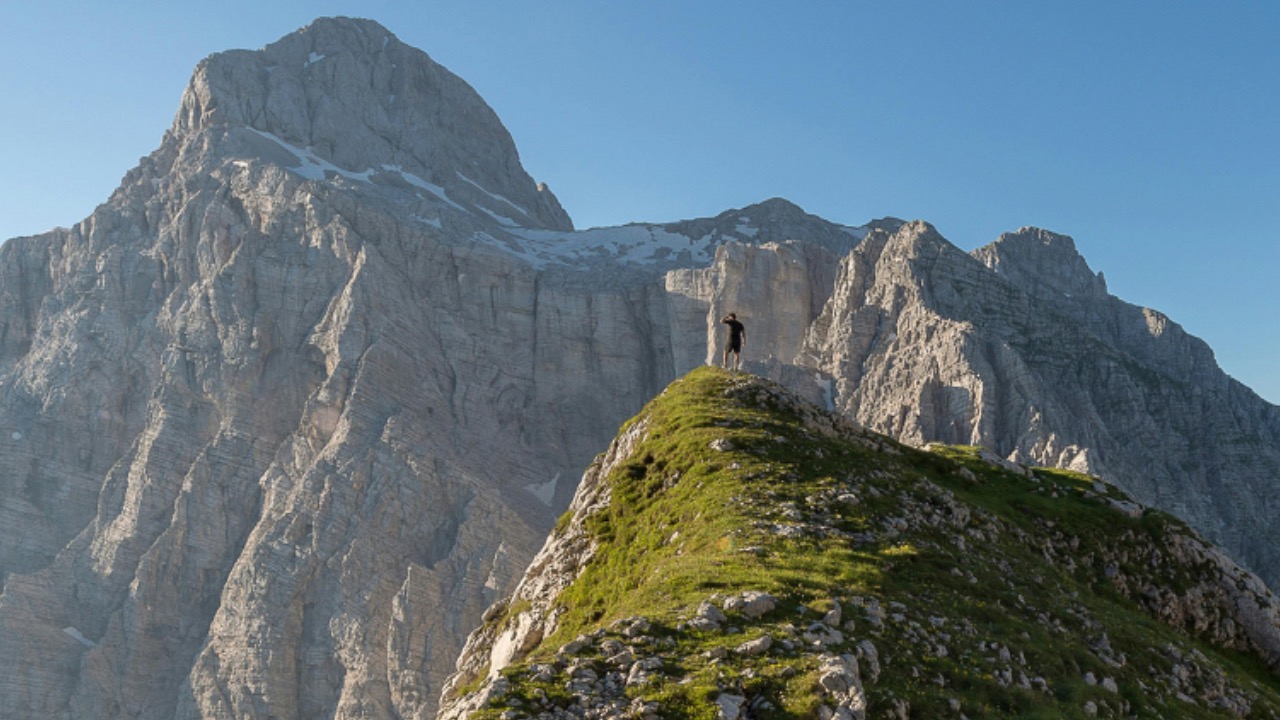
The Juliana Trail has been around for a few years, but recent extensions and reroutes are what have hikers paying attention again. The trail loops through the Julian Alps, but it stays mostly in the lower elevations, threading through small villages, rivers, and working farmland.
What you notice right away is how connected it feels. You’re not isolated out there—you’re moving through lived-in country. The new sections add better continuity and clearer wayfinding, which matters when you’re covering multiple days. It’s not a high-alpine sufferfest. It’s steady walking, good footing, and a chance to cover ground without fighting the terrain every mile.
Canada’s Rockies Rail Path Opens Up Old Corridors
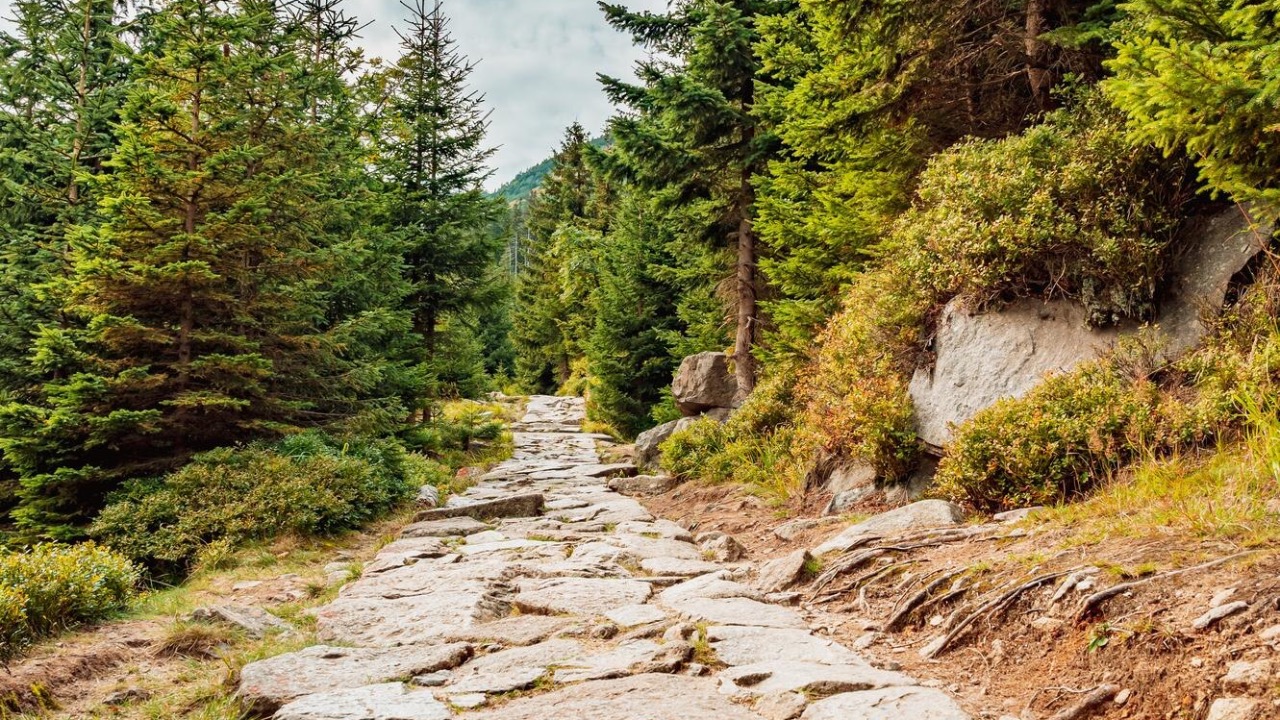
The Rockies Rail Path is getting attention because it takes old rail beds and turns them into long, gradual hiking routes through serious country. You’re looking at wide grades, consistent footing, and routes that cut through terrain that used to be hard to access on foot.
That changes how you move through the Rockies. Instead of steep climbs right out of the gate, you get miles of steady travel with big views. It’s also opening doors for mixed-use travel—hikers, bikers, and pack trips sharing the same corridor. Purists might not love the width, but if you want distance without constant elevation fights, this one earns its reputation.
Utah’s Desert Color Trail System Expands Near St. George
Just outside St. George, the Desert Color Trail System has grown fast. What started as a local network is turning into a more structured system with marked routes, trailheads, and mapped loops.
You’re hiking through red rock, sand, and open desert, with routes that range from short evening walks to longer day efforts. The expansion is what matters here. More access points mean less crowding in any one spot. It’s still close to town, so you won’t be alone, but the layout gives you room to spread out and pick your pace.
Scotland’s Coast-to-Coast Routes Are Getting Official Recognition
Scotland has long had informal cross-country routes, but efforts to formalize and connect them are gaining traction. The Scottish National Trail and related linkups are seeing improvements in signage and access agreements.
You’re dealing with a different kind of hiking here. Weather shifts fast, footing can be rough, and navigation still matters even with upgrades. But the push to connect routes means you can now plan longer, continuous walks with fewer logistical headaches. It’s not polished, and that’s part of the appeal.
Japan’s Michinoku Coastal Trail Keeps Evolving
The Michinoku Coastal Trail has been open for a while, but ongoing improvements and reroutes are bringing it back into focus. Stretching along the northeastern coast, it ties together fishing towns, cliffs, and forest sections.
You’re not walking in isolation here either. Much like Slovenia, this route moves through communities. The updates have focused on resilience—rerouting sections affected by weather and improving signage. It’s a long trail, and you don’t have to tackle it all at once. Even short sections give you a clear sense of place.
Colorado’s Palisade Plunge Area Adds Hiking Access
The Palisade Plunge is known for mountain biking, but expanded access is making it more relevant for hikers. New connectors and side trails are opening routes that weren’t practical on foot before.
You’re looking at big elevation changes and exposed terrain. This isn’t a casual walk. But if you’re willing to put in the effort, you get long views over mesas and valleys that don’t see the same traffic as more established hiking corridors. It’s still evolving, and that’s part of why people are watching it.
Norway’s Hut-to-Hut Routes Are Getting Easier to Navigate
Norway has had hut systems for decades, but upgrades to trails and digital mapping are making routes like those managed by the Norwegian Trekking Association more accessible to a wider range of hikers.
You still need to be prepared—weather and terrain don’t cut you any slack—but better marking and route info mean fewer surprises. The hut-to-hut setup lets you cover serious distance without carrying a full backcountry load. It’s a different rhythm than tent-based trips, and for many hikers, it opens up terrain that used to feel out of reach.
West Virginia’s Elk River Rail Trail Extends Its Reach
The Elk River Rail Trail continues to expand, building on old rail lines that follow the river through forested country. It’s not high elevation, but it covers ground in a way that’s approachable and steady.
You’re walking on a consistent grade, which makes it a good option for long days without beating up your knees. The expansion is key. As more sections open, you can link together longer trips instead of short out-and-backs. It’s a working example of how rail conversions are shaping modern hiking.
New Zealand’s Great Walk Alternatives Are Drawing Attention
The New Zealand Great Walks are well known, but newer or less-publicized routes nearby are picking up interest as hikers look to avoid crowded tracks. Local councils have been improving secondary trails to handle that overflow.
You get a similar landscape—coastlines, alpine sections, dense forest—but with fewer people. These routes aren’t always as built out, so you need to plan more carefully. Still, if you’ve looked at the main Great Walks and hesitated because of crowds, these alternatives are worth your time.
You’re not running out of places to hike. If anything, the map is getting bigger. But the difference now is how those places are built and used. Rail trails, connected routes, and upgraded systems are changing how you move through the landscape.
Pick the ones that fit how you like to travel. Then go see if they live up to what you’ve been hearing.

Asher was raised in the woods and on the water, and it shows. He’s logged more hours behind a rifle and under a heavy pack than most men twice his age.