New Round of Severe Storms Threatens Midwest and Plains With Large Hail, Damaging Winds, and Tornadoes
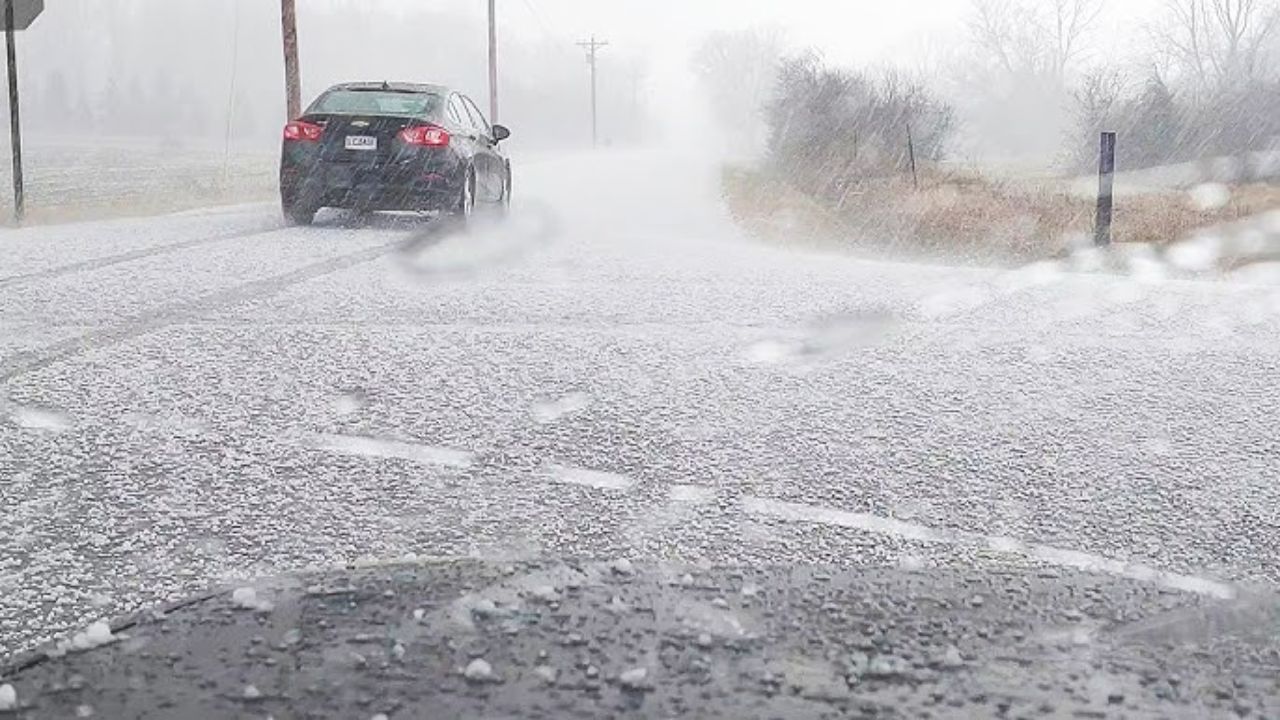
A new wave of severe weather is expected to sweep across parts of the Midwest and Plains, with forecasts warning of conditions that could bring large hail, strong wind gusts, and the possibility of tornadoes in multiple states.
Meteorologists say the setup is the kind that can produce fast-changing and widespread storms, with impacts varying depending on location and timing.
What Forecasters Are Watching
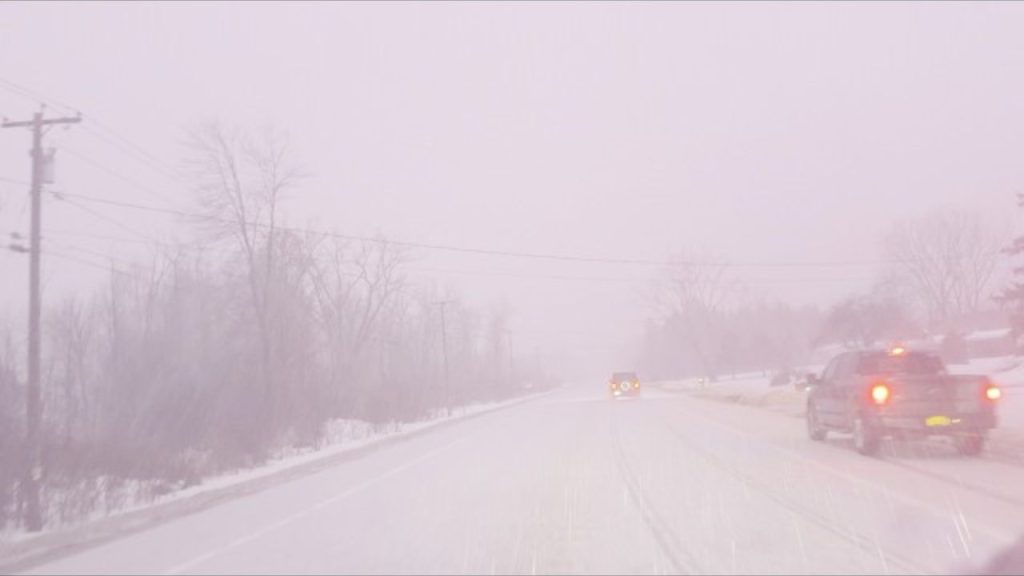
The main concern centers on unstable air combining with strong wind shear — a combination that can support severe thunderstorm development.
When those ingredients align, storms can quickly intensify, producing:
- Large hail capable of damaging vehicles and roofs
- High winds that can bring down trees and power lines
- Rotating storms that may produce tornadoes
Forecasters emphasize that while not every area will see the same level of impact, conditions could support severe weather across a broad region.
Areas Potentially at Risk
The outlook includes portions of the Midwest and Plains, where shifting weather systems often create favorable conditions for severe storms during peak seasons.
Exact timing and intensity can vary, but meteorologists are urging residents in the affected zones to stay updated as forecasts are refined.
Why These Storm Systems Matter
Storm setups like this are closely watched because they can evolve quickly. A storm that begins as a routine thunderstorm can strengthen in a short amount of time under the right conditions.
That unpredictability is what makes preparation important, even when severe impacts aren’t guaranteed everywhere.
What Residents Are Being Told to Do
Officials and weather agencies typically recommend that people in the potential path of severe storms:
- Review weather alerts regularly
- Have a safe place to shelter if warnings are issued
- Secure outdoor items that could be damaged or become hazards
- Avoid unnecessary travel during active warnings
The focus is on being prepared ahead of time rather than reacting once conditions worsen.
Community Response
As forecasts circulate, many residents in storm-prone areas are taking a familiar approach — monitoring updates while preparing for the possibility that conditions could shift quickly.
For some, especially in regions that experience frequent severe weather, the warnings are a reminder of how quickly spring and early-season systems can become serious.
The Bigger Picture
Severe weather outbreaks like this are part of a recurring pattern across the central United States, where atmospheric conditions often collide in ways that support intense storms.
While technology and forecasting continue to improve, the exact path and strength of individual storms can still be difficult to predict far in advance.
For now, attention remains on how the system develops — and how many communities may ultimately find themselves in its path as it moves across the region.

Leo’s been tracking game and tuning gear since he could stand upright. He’s sharp, driven, and knows how to keep things running when conditions turn.