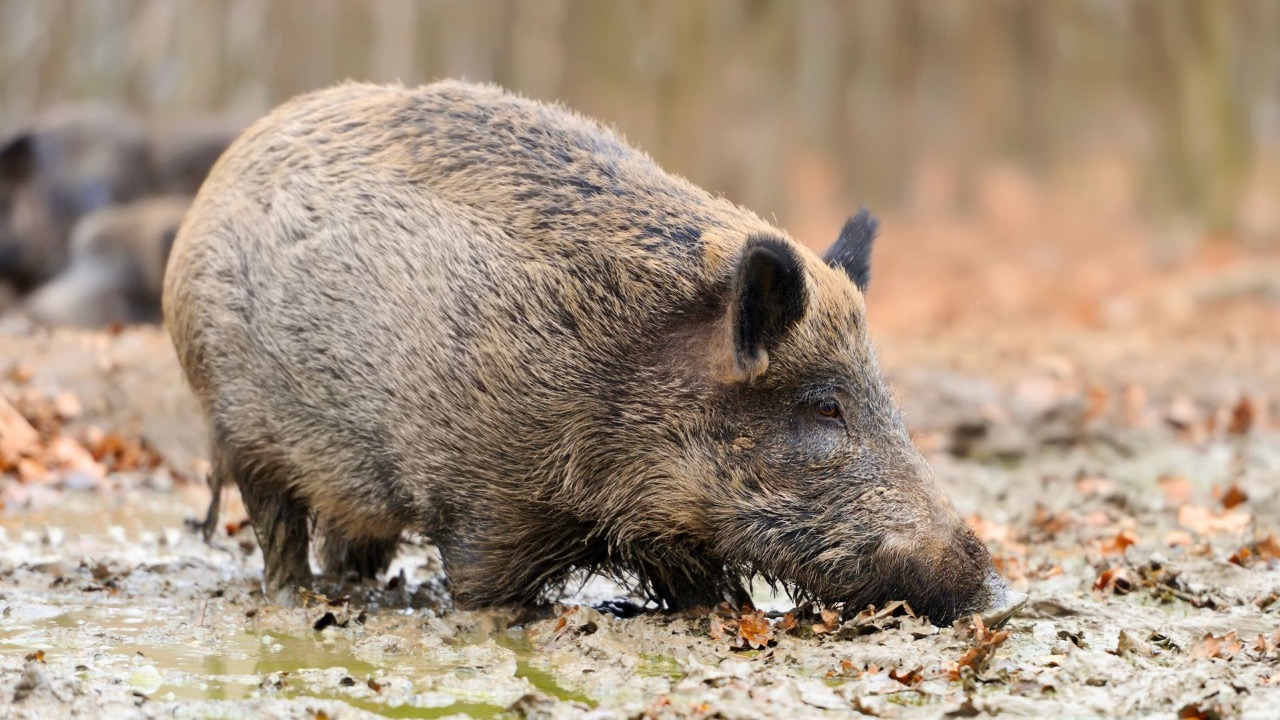
Cartridges hog hunters rely on when things get chaotic
When a sounder of feral pigs breaks from cover, the difference between a clean, fast kill and a dangerous rodeo often comes down to cartridge choice. Hog hunters who spend their nights in the mud and mesquite tend to converge on a small set of loads that hit hard, cycle reliably, and keep working when the shooting turns frantic. I look at those cartridges not as internet hypotheticals but as tools that have earned their place in trucks, blinds, and thermal rigs precisely because they stay dependable when everything else feels out of control.
The cartridges that matter most in those moments share a few traits: enough penetration to break heavy shoulders, bullets that hold together or expand predictably, and recoil that lets a hunter get back on target for follow-up shots. Around that core, there is room for debate, from classic .30 calibers to modern 6.5s and specialized subsonic loads built to create what some manufacturers bluntly describe as “controlled chaos.”
Why hog hunts spiral and what cartridges must survive
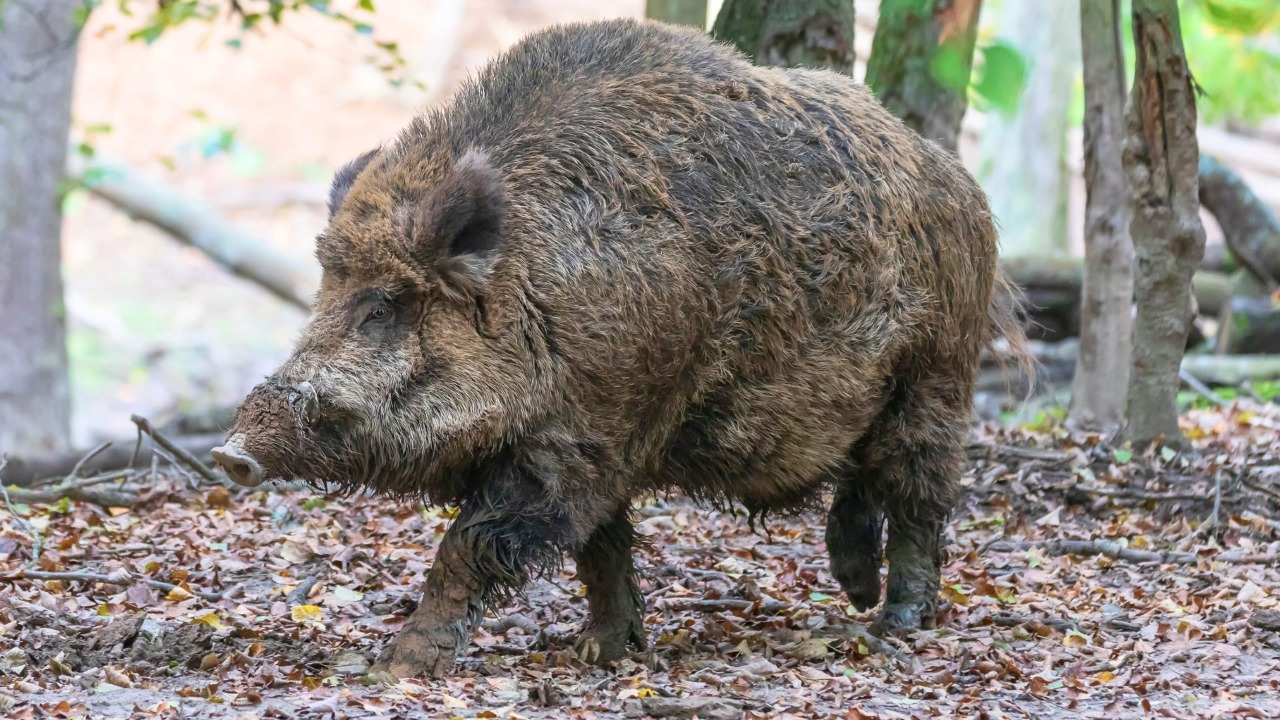
Hog hunting is one of the few pursuits where the quarry can turn and charge in seconds, and a calm stalk can become a close-range scramble. Feral pigs are heavily muscled, shielded by gristle plates, and often travel in groups, which means a single shot can trigger a stampede in thick brush. Reporting on risky setups stresses that Hog hunting is one of the few fields where things can turn chaotic fast, with Feral hogs described as tough, fast, and unpredictable, a combination that raises the stakes for every pull of the trigger.
In that environment, the cartridge has to do more than punch paper. It must feed smoothly in semi-automatic rifles that may fire multiple rounds in seconds, carry enough energy to anchor big boars from awkward angles, and still be manageable for the shooter under stress. That is why hog specialists talk about “forgiving” loads, the ones that still break shoulders when the shot is a little far back or forward, and why ammunition makers have spent the last decade tailoring bullets specifically for pigs, a trend that one analysis notes began Also some 10 to 15 years ago with dedicated hog lines like Razor Boar XT.
The enduring .270 vs .308 debate in pig country
Among hunters who split their time between deer and hogs, the argument between the .270 and the .308 has become almost a rite of passage. One widely shared discussion notes that the argument between the .270 Winchester and the .308 Winchester has lasted longer than most hunting careers, not because one is bad, but because each has a loyal following that swears by its performance when the shooting gets hectic. In that debate, the 270 crowd leans on flat trajectories and lighter recoil, while the 308 loyalists point to heavier bullets and deeper penetration through gristle and bone.
From what I see in hog camps, the split often comes down to terrain and shot distance. In open fields where pigs might be taken at longer ranges, the .270 Winchester and the .308 Winchester both offer plenty of reach, but many hunters still favor the .308 for its ability to drive stout bullets through both shoulders. The social media debate that name-checks Winchester and the classic cartridges underscores that this is less about raw ballistics and more about confidence, with one post bluntly adding that the winner is simply the one that works for you when things get hectic, a sentiment summed up with a pointed Winchester and a reminder that the choice is Not settled by charts alone.
.308 and .30-06: the workhorses when boars break cover
When the goal is a cartridge that can handle everything from 80‑yard shots over corn to quick follow-ups on running pigs, the .308 has become a default choice. One detailed boar load guide states plainly that, But for general use, the . 308 Winchester is better and far more versatile, and that there is never anything wrong with a .30‑06 for hogs. That endorsement reflects what many night hunters already practice, running semi‑auto .308s with 150 to 180 grain bullets that balance expansion and penetration on big boars.
The .30‑06 remains a staple for those who want a little more case capacity and the option to push heavier bullets, especially in bolt guns that double as elk rifles. In the same analysis, the .308 Winchester is framed as the more versatile choice for general hog work, while magnum cartridges are described with a clipped reference to Magnu loads that are rarely needed on pigs. In practice, that means many hunters reserve the big magnums for specialized situations and lean on .308 and .30‑06 when they expect multiple targets and fast transitions.
Modern hog lists: from 165-grain .308 to 6.5s
Recent cartridge rundowns aimed squarely at pig hunters show how the field has broadened beyond the old standbys. One widely circulated list of Hog Hunting Cartridges highlights a 165-Grain Elite Accubond .308 Winchester as a go‑to pairing of bullet weight and construction, alongside a 143-Grain 6.5 load that reflects the rise of modern 6.5s in pig country. Those specific weights, 165-Grain and 143-Grain, are not arbitrary; they sit in the sweet spot where sectional density and velocity combine to drive through shoulders while still expanding reliably.
That same rundown notes that there are many other cartridges that will work on hogs, as long as they are paired with a tough hunting bullet, a point that reinforces the idea that bullet design can matter as much as headstamp. The emphasis on the . 308 Winchester and 6.5 options like the 143-Grain Grain Elite Accubond shows how hunters are blending traditional .30 caliber punch with the flatter trajectories and mild recoil of newer 6.5s. In my view, that mix reflects a simple reality: when hogs are moving and shots come fast, cartridges that are easy to shoot accurately tend to get the nod.
.270 resurges with purpose-built hog loads
While the .270 has long been seen as a deer rifle classic, recent coverage of hog calibers shows it reclaiming ground in pig country thanks to modern bullets. A detailed gear guide on Best Calibers for 2025 singles out a Best Budget load, the Winchester Super X Power Point 130-grain .270 Win, and urges readers to See It as a cost‑effective way into serious hog performance. That 130-grain bullet weight, paired with the .270’s velocity, gives hunters a flat‑shooting option that still carries enough energy to break shoulders at typical hog distances.
The same rundown underscores that the Best Budget choice is not a compromise on lethality, pointing to the Winchester Super X line and its Power Point design as a proven performer on pigs. By calling out the 130-grain and 270 combination, the guide effectively reframes the .270 Win as a dual‑purpose deer and hog round that can stretch to longer shots without giving up terminal performance. For hunters who already own a .270, that is a compelling argument to simply switch to a tougher bullet rather than buy a new rifle.
Intermediate calibers: 223, 6.5 Grendel, and 6.5 Creedmoor
Not every hog hunter wants or needs a full‑power .30 caliber, especially when most shots are inside 150 yards and volume of fire matters. A detailed breakdown of nine top pig cartridges lists the 223 Remington, 6.5 Grendel, and 6.5 Creedmoor as standouts, with the 223 Remington, 6.5 G Remington, 6.5 Grendel, and 6.5 Creedmoor all getting explicit mention. The appeal is clear: these rounds offer mild recoil, high magazine capacity in AR‑style rifles, and enough punch with the right bullets to drop medium‑sized hogs cleanly.
In my experience, the key with these intermediate calibers is bullet selection and shot placement. The same analysis that praises the 223 and 6.5s stresses that they shine when paired with controlled‑expansion or bonded bullets and used within their effective range envelope. That is consistent with broader advice that there are many other cartridges that will work on hogs as long as they are matched with a tough hunting bullet, a point echoed in the Grain focused rundown of recommended hog loads. For hunters who value fast follow‑up shots and lighter rifles, these intermediate rounds have become staples when things get busy.
Big-bore thumpers: 450 Bushmaster and similar brutes
On the opposite end of the spectrum sit the big‑bore straight‑wall cartridges that have carved out a niche in thick cover and states with restrictive hunting laws. Among them, the 450 Bushmaster is repeatedly singled out as a top hog caliber, with one list of leading options highlighting 450 Bushmaster by name. In practical terms, that cartridge delivers a heavy, slow bullet that hits like a sledgehammer at close range, ideal for dense brush where shots are measured in yards rather than hundreds of yards.
Hunters who favor the 450 Bushmaster often do so because it simplifies the equation when a big boar appears at bad angles. The large frontal diameter and deep‑penetrating bullets can break shoulders and still reach vital organs, even when the pig is quartering away or moving. That said, the same lists that praise these big bores also caution that recoil and limited range make them specialized tools rather than universal answers, which is why many hog hunters still keep a .308 or similar cartridge as their primary rifle and reserve the big‑bore for close‑quarters work, a balance reflected in broader top 5 caliber rundowns.
Subsonic strategies and the rise of “controlled chaos” bullets
As suppressors have become more common in hog camps, subsonic hunting has moved from niche experiment to mainstream tactic. A detailed guide to quiet loads notes that Mar discussions of subsonic hunting highlight that Several cartridges are popular in the subsonic ammunition category, known for their low noise and reduced recoil, including 22 Subsonic Hu loads and even .338 caliber bullets at subsonic speeds that have been used on elk, bear, and moose. For hog hunters, that translates into the ability to shoot multiple pigs in a sounder before the rest scatter, especially at night.
To make subsonic rounds lethal on tough animals, bullet makers have turned to aggressive designs that fragment or expand violently at low velocity. One such concept is marketed under the name Lehigh Defense controlled chaos, a design discussed in detail on a Lehigh Defense forum thread that explores how the bullet is intended to fracture and create multiple wound channels. Another discussion asks bluntly, Does anyone have experience with this round or Lehigh in general, while a separate thread titled Whos hunting with 110gr Control Chaos Lehigh Defense this season shows real‑world curiosity about how these bullets behave on game, often summarized with shorthand references to Chaos Lehigh Defense loads.
Inside the Controlled Chaos design and why hog hunters care
The Controlled Chaos concept is not just marketing language, it is a specific mechanical approach to how a bullet behaves in tissue. Technical descriptions from the manufacturer explain that Both the temporary and permanent wound cavities are maximized by a fracturing tip that sheds petals, while the bore diameter base of the bullet continues and penetrates deeply in a straight line, a combination intended to result in full penetration of the animal. For hog hunters, that means a single subsonic or moderate‑velocity hit can create multiple internal tracks while still exiting, a trait that is especially valuable on large boars with thick shields.
Retail descriptions of specific loads, such as a 115 grain .300 AAC Blackout round, reinforce that intent. One product listing notes that Lehigh Defense Controlled technology uses a fracturing tip design that creates multiple wound channels upon impact, while the base continues to penetrate, maximizing terminal performance and energy transfer. Forum users who discuss Lehigh Defense controlled chaos on ballistic boards, including a thread explicitly titled Lehigh Defense controlled chaos, often frame these bullets as tailor‑made for hogs because they combine the quiet of subsonic shooting with the kind of internal damage usually associated with faster rounds.

Leo’s been tracking game and tuning gear since he could stand upright. He’s sharp, driven, and knows how to keep things running when conditions turn.