New York Court Decision in Gun Arrest Case Highlights Police Error but Denies Victim’s Claim
A New York court has ruled on a case involving a disputed gun arrest where officers were found to have made a procedural mistake during the stop. The decision acknowledged that the arrest process did not follow proper standards, but it stopped short of granting compensation to the person who brought the claim.
The case centers on how law enforcement handled a firearm-related arrest and whether that mistake automatically creates legal liability. While the court agreed that an error occurred, it decided the error did not meet the threshold required for the plaintiff to win damages.
The ruling adds another example to ongoing debates about police accountability and how courts interpret mistakes made during high-pressure enforcement situations. It also shows how proving harm in these cases can be difficult even when errors are recognized.
Details of the arrest and legal challenge
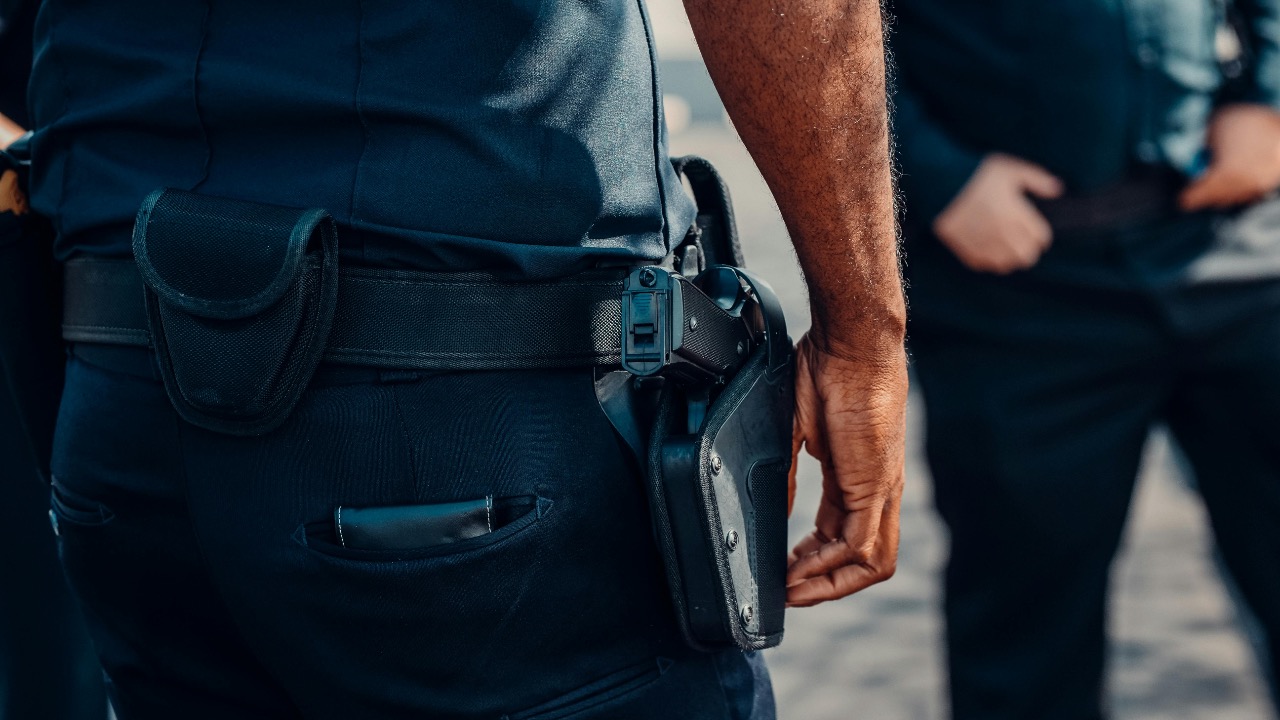
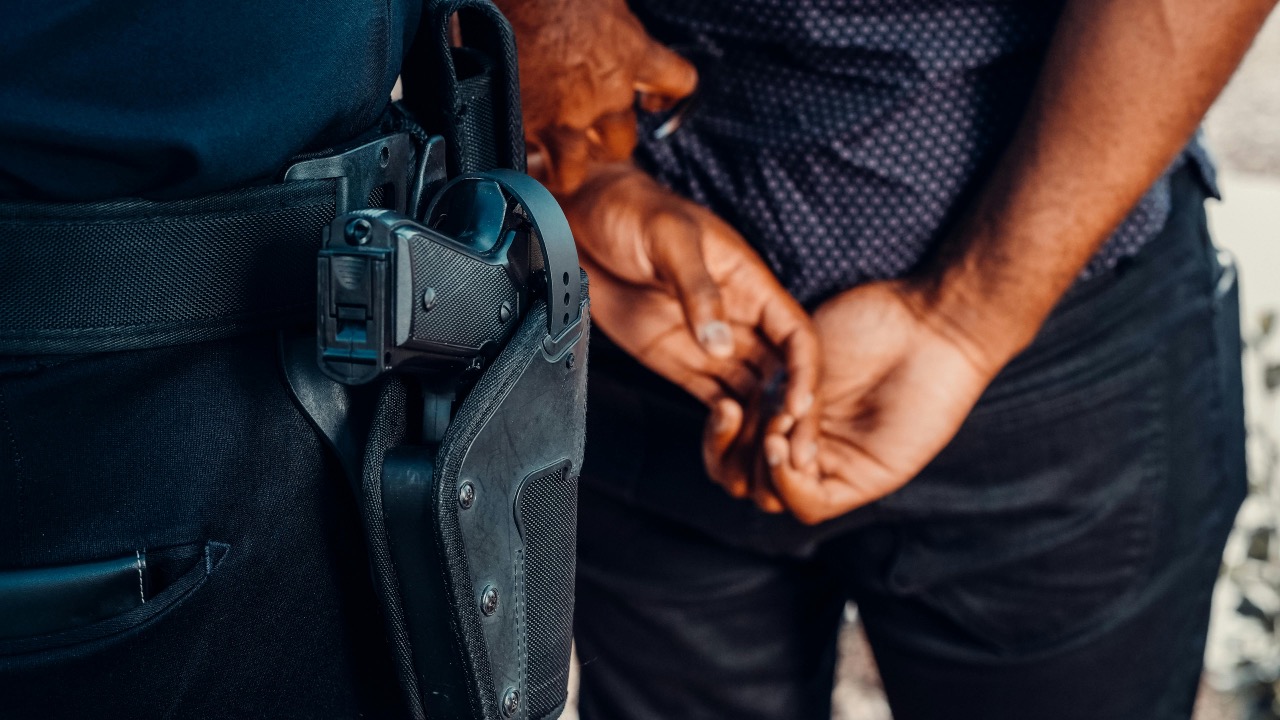
The arrest involved a firearm possession charge where officers allegedly failed to follow correct procedure during the stop and search. That mistake became the basis of a legal challenge arguing that the arrest was unlawful and caused harm to the individual involved.
During proceedings, the court reviewed whether the procedural violation directly resulted in a violation of rights that would justify financial compensation. Judges acknowledged the error but determined that it did not automatically invalidate the entire arrest in a way that supports damages.
Legal experts often point out that courts distinguish between procedural mistakes and constitutional violations that clearly change the outcome of a case. In this ruling, that distinction played a major role in the final decision.
Court reasoning behind denying the claim
The court’s decision focused on the legal standard required to award damages in cases involving police conduct. Even when mistakes occur, plaintiffs must show a clear link between the error and a measurable legal injury.
In this case, the judges concluded that the mistake alone was not enough to prove the level of harm required under the law. As a result, the victim’s claim for compensation was denied despite the acknowledgment of wrongdoing in procedure.
This type of ruling reflects how courts often balance accountability with legal thresholds that protect officers from automatic liability in every procedural error. It highlights the complexity of suing law enforcement successfully, even in cases where mistakes are confirmed.
Broader implications for policing and gun cases
The decision is likely to be referenced in future discussions about police procedure and firearm-related arrests in New York. It underscores how courts separate technical errors from violations that change legal outcomes.
For critics, the ruling may raise concerns about accountability when police make mistakes during gun arrests. For supporters of current legal standards, it reinforces the idea that not every error should result in financial penalties or overturned outcomes.
As gun-related cases continue to move through courts nationwide, this decision adds to an ongoing legal pattern: recognition of error does not always translate into compensation or case reversal.

Leo’s been tracking game and tuning gear since he could stand upright. He’s sharp, driven, and knows how to keep things running when conditions turn.