The rise and fall of Remington: how an American gun giant collapsed
For more than two centuries, Remington Arms Company, LLC symbolized American gunmaking, from frontier rifles to police shotguns and military rifles. Its collapse in a tangle of debt, lawsuits, and broken factories shows how even a dominant brand can unravel when financial engineering and strategic missteps collide with shifting politics and consumer demand.
The story of how an American gun giant rose from a single handmade barrel to bankruptcy and liquidation traces the arc of the firearms business itself, from craft production and wartime booms to private equity ownership and culture-war litigation. It is also a story of icons like the 870 pump shotgun and of workers in Ilion and Huntsville who watched a 202-year-old institution disintegrate.
From a single barrel to an American institution
The Remington story begins with Eliphalet Remington, Jr., who built his first hunting rifle barrel in 1816 and had it assembled into a complete gun by a local gunsmith. According to a detailed corporate history that lists the company’s Key Dates, that single experiment in upstate New York quickly turned into steady demand from neighbors impressed with the barrel’s accuracy.
By the mid nineteenth century, Eliphalet Remington and his three sons had formalized the enterprise as E. Remington and Sons and expanded beyond barrels into complete firearms. The firm set up operations in Ilion, New York, and began to industrialize production, moving from custom work to standardized models for hunters and the military. Over time that family shop evolved into Remington Arms Company,, an American manufacturer of firearms and ammunition that would eventually be described as one of the largest producers of such products in the world.
Remington’s early growth was tied to the country’s expansion and conflicts. The company supplied weapons in the nineteenth century and diversified into typewriters and sewing machines before refocusing on guns and ammunition. The long corporate timeline shows how Remington shifted headquarters and ownership structures while maintaining a core identity as a firearms maker that served civilians, law enforcement, and the military.
Iconic rifles, shotguns, and wartime contracts
Through the late nineteenth and twentieth centuries, Remington built a catalog of rifles and shotguns that became fixtures in American hunting camps and police cruisers. The company’s own historical material and enthusiast histories describe how the first complete firearms under the Remington name were produced after the barrel-making phase, eventually including autoloading designs such as Browning’s Model 11 in the early 1900s.
A detailed enthusiast account of the History of Remington notes that when the U.S. military needed rifles during major conflicts, Remington became a significant supplier. Those contracts cemented its reputation as a strategic industrial asset and kept factories humming through wartime mobilizations.
The postwar period produced perhaps the company’s most famous product line. The Remington 870 pump shotgun, introduced in 1950, became a staple for hunters, homeowners, and police departments. One account of the model’s impact points out that launching a shooting and hunting career with an 870 has become a standard path and states that there have been more than 10 million 870s produced, a figure that illustrates how deeply the gun penetrated the market.
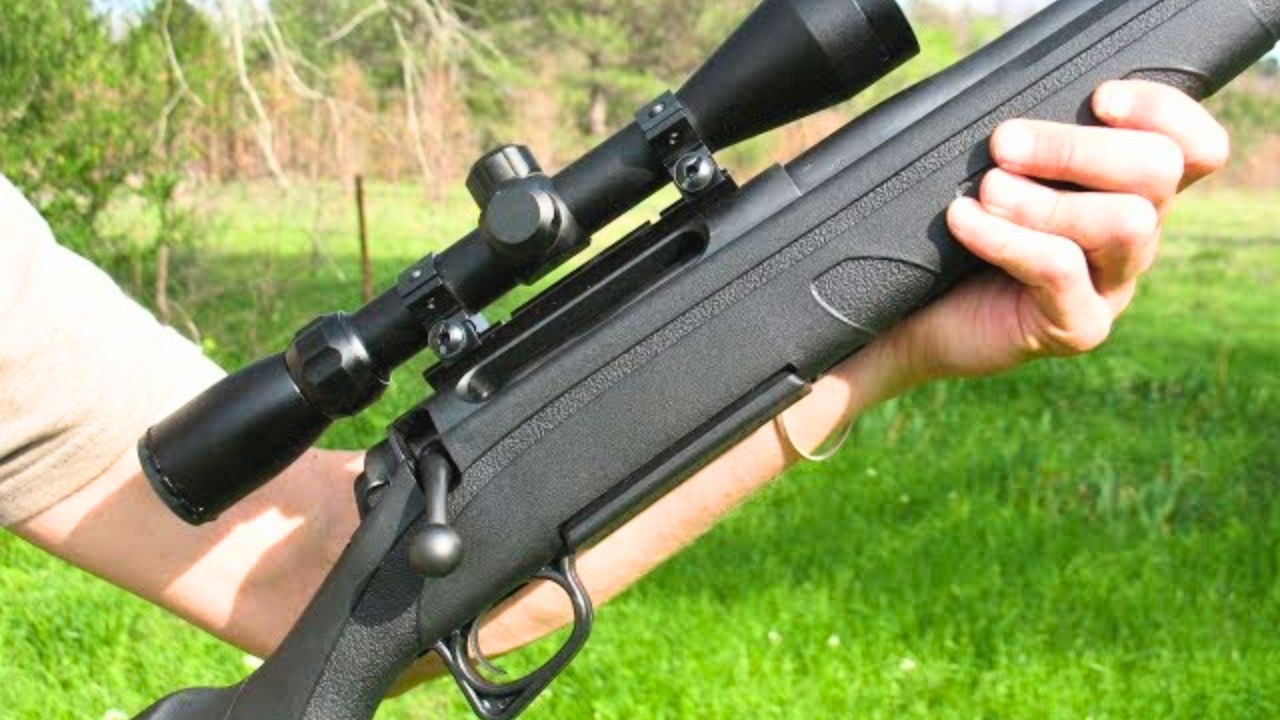
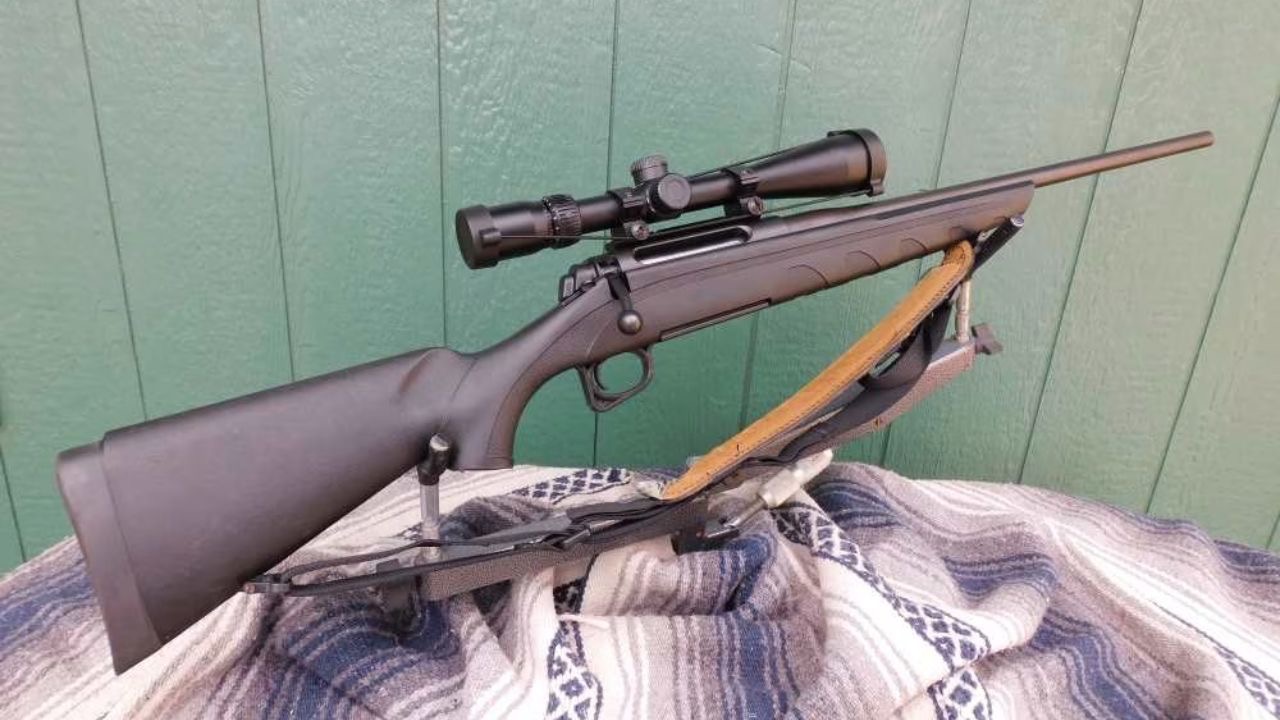
Alongside the 870, Remington developed bolt-action hunting rifles and other platforms that became synonymous with American sporting culture. A modern overview of Remington’s rifles describes a Modern Era of transition and continuity building on twentieth century innovations, with updated materials and calibers that still trace their lineage to the company’s classic designs.
By the late twentieth century, Remington was not only a household name for hunters but also a supplier to police agencies and the armed forces, a dual identity that later complicated its public image as mass shootings brought new scrutiny to the gun industry.
Private equity, consolidation, and the Remington Outdoor era
In the early 2000s, Remington looked like it was entering a new phase of expansion. A detailed breakdown of the brand’s trajectory describes how, in that period, the company appeared to be “cooking with gas” as it acquired other manufacturers and expanded its family of brands. That same account, which frames the story as the Downfall of an American Institution, traces this surge in part to the arrival of new financial owners.
Cerberus Capital Management, a private equity fund, acquired Remington in 2007. Under Cerberus, the company was rolled into a larger conglomerate that eventually operated as Remington Outdoor, with multiple firearms and outdoor brands under one umbrella. Investors in Cerberus later pressed the fund to exit the company after a high-profile school shooting, but by then the strategy of rapid expansion and debt-financed acquisitions had already reshaped the business.
A financial analysis of the period describes how Remington took on nearly 1 billion dollars in debt as it bought competitors and expanded into new product lines. The conglomerate structure promised economies of scale and market dominance, yet it also left the company highly leveraged and dependent on steady or rising gun sales to service its obligations.
Internally, the shift to private equity ownership altered priorities. Former employees and local officials in factory towns later described how cost cutting, plant moves, and management churn became more common as the owners sought to improve margins and prepare for potential exits. The old image of a family-rooted manufacturer gave way to a more financialized operation that still sold the same iconic products but was now tethered to complex capital structures.
Quality problems and the erosion of trust
As Remington Outdoor pursued growth, the company began to face quality concerns and product recalls that chipped away at its reputation. Longtime shooters complained about inconsistent fit and finish on newer guns compared with older production. More seriously, allegations emerged that some rifles could fire without a trigger pull, leading to lawsuits and settlements.
These issues undercut one of Remington’s core advantages: trust built over generations. Hunters who had relied on the brand for decades started to look at competitors, while law enforcement agencies evaluated alternative shotguns and rifles. In a market where reliability is central to both safety and brand loyalty, such doubts carry outsized weight.
At the same time, the company’s own marketing and product strategy sometimes lagged behind trends toward modular rifles and polymer-framed pistols. While Remington did introduce new models, it struggled to match the momentum of rivals that capitalized on the booming market for AR-style rifles and concealed carry handguns.
The quality questions did not directly trigger bankruptcy, but they formed part of a feedback loop. Lower consumer confidence meant weaker sales, which in turn made it harder to invest in modernization and product development, especially with heavy debt service already in place.
Politics, the “Trump slump,” and a shifting market
Remington’s troubles were magnified by the unusual dynamics of the gun market in the late 2010s. Firearms sales are highly sensitive to politics and perceived regulatory risk. When gun owners expect stricter laws, they often rush to buy. When they believe a friendly administration will block new restrictions, demand can soften.
An analysis of the industry identified three main reasons gun companies came under pressure in that period, including a slowdown in sales after a surprise election result that some called a “Trump slump.” That report, which examined Remington’s 2020 product line, also referenced the time stamp “2018 9:51 AM ET” in its metadata, a reminder of how tightly the discussion was tied to a specific political moment.
Another account of the sector’s woes pointed to a Reasons Gun Companies analysis that highlighted the surprise election outcome and its impact on demand. With a Republican president in office who was perceived to be pro gun, the urgency that had driven record sales under previous administrations faded.
Remington was particularly vulnerable to this downturn because of its debt load. A slowdown that might have been manageable for a less leveraged company became dangerous when every missed sales target threatened the ability to meet interest payments. The company’s financial structure left little margin for error in a cyclical business.
At the same time, public attitudes toward firearms were shifting in response to mass shootings. Activists and some institutional investors began to pressure banks and funds to distance themselves from gun makers. Remington’s owners faced calls to divest, and the company itself became a focus of litigation related to the marketing of one of its rifles used in a school shooting. That legal and reputational pressure further constrained its options.
First bankruptcy: 202 years of history under Chapter 11
The pressure finally cracked in 2018. After 202 years in business, After 202 years of continuous operation, America’s oldest gun manufacturer, Remington, filed for Chapter 11 bankruptcy protection. The filing described a company burdened by debt and facing a slowdown in gun sales that left it unable to service its obligations.
Another report on that first restructuring framed it as a Slowdown in gun that led America’s oldest firearms maker, Remington, to seek court protection. The same coverage noted that expectations of stricter gun control under a different presidential outcome had previously fueled a buying surge, and that sales had cooled since President Trump took office as a Republican commander in chief.
Under the Chapter 11 plan, Remington shed roughly 775 million dollars in debt and transferred ownership to its creditors. A separate account of the restructuring described how investors in Remington’s prior owner, Cerberus Capital Management, had already called on the private equity fund to unload the company after a school shooting in Connecticut killed 20 children, further complicating the ownership picture.
When the company emerged from bankruptcy, executives and local officials in factory towns hoped that the lighter balance sheet would give Remington a fresh start. The core brands were still strong, the 870 and other models still had loyal followings, and the company still had decades of manufacturing expertise. Yet the underlying challenges in the market and the legal environment had not gone away.
Second bankruptcy in a boom: lawsuits, debt, and the COVID surge
Two years later, Remington returned to court. In the summer of 2020, Remington filed for bankruptcy protection for the second time since 2018. A report on the filing explained that the company blamed falling gun sales for its return to bankruptcy and noted that Cerberus Capital Management had acquired Remington in 2007, with the firearms and ammunition giant accumulating nearly 1 billion dollars in debt over time.
Another contemporaneous account highlighted the paradox that Remington filed for bankruptcy even as U.S. gun sales spiked amid protests and pandemic fears. The Remington Gun maker filing came at a time when the FBI reported in June that it conducted 3.9 m background checks for firearm purchases, a figure that suggested robust demand at the retail level.
Coverage of the second bankruptcy noted that the chapter 11 petition in the U.S. Bankruptcy Court in Decatur, Ala, marked Remington’s second restructuring since 2018. Despite shedding roughly 775 million dollars in debt in the first case, the company was still weighed down by obligations and by litigation related to the school shooting in Parkland, Fla.
A detailed legal analysis of the Remington Outdoor case summarized the situation starkly. The introduction stated that Remington was the oldest firearm and ammunition manufacturer in the United States and that, unfortunately, massive debt, civil litigation, and operational problems led to the company’s collapse. That same document walked through the company’s plan of reorganization and the eventual decision to sell off assets.
Another business-focused account explained that Remington sought to set up a sale process in Alabama and that the company’s Chapter 11 filing aimed to find a buyer for its core operations as well as other assets. Yet by this point, the brand’s value was intertwined with unresolved lawsuits and a complex capital structure, which limited the pool of potential suitors.
Picked apart in court: the breakup of a 204-year-old brand
The 2020 bankruptcy did not lead to a simple restructuring. Instead, Remington’s assets were auctioned off to multiple buyers, effectively dismantling the company that had operated in one form or another since 1816. A detailed report on the process described how Remington Arms Gun was picked apart in bankruptcy, with factories, brand names, and intellectual property sold off in pieces.
That account characterized the outcome as a sad epitaph for Eliphalet Remington’s company, as the Ilion plant and other facilities faced uncertain futures under new owners. Workers who had spent their careers building 870 shotguns and bolt-action rifles watched as the company’s name and designs were divided among bidders.
An investment and markets analysis of the breakup noted that Remington Outdoor sold seven company parcels in auction, including ammunition operations and various firearms brands. The report explained that the New York Times had described how Remington Outdoor filed for its second bankruptcy in two years and that the auctions took place during the COVID 19 pandemic, when demand for guns was actually elevated.
Another hunting-focused feature on the breakup framed it as a moment when a once mighty manufacturer, which had supplied generations of sportsmen and soldiers, was finally undone by a combination of financial mismanagement and external pressures. That narrative echoed a broader sense among gun owners that something had gone wrong long before the final court orders.
Workers, factory towns, and the human cost
The collapse of Remington was not just a corporate event. It reshaped lives in places like Ilion, New York, and Huntsville, Alabama, where the company had major plants. A timeline of recent events at the nation’s oldest gun maker chronicled how Remington Arms announced layoffs, temporary shutdowns, and eventually the closure of its historic Ilion operations in the years surrounding the bankruptcies.
That Remington Arms timeline described how, on Monday of a particular week, gun maker Remington Arms announced it would cease operations at the Ilion facility, ending a run that had lasted for generations. The same chronology detailed earlier rounds of layoffs and production pauses that signaled trouble long before the final announcement.
In Huntsville, where Remington had moved some production as part of a high profile relocation, workers and local officials were left with an unfinished economic development story. A longform financial investigation into the company’s move to Alabama described how state and local governments had offered incentives for Remington to open a modern plant, only to see the facility shuttered amid the bankruptcy saga.
For employees, the story was one of whiplash: recruitment to a growing manufacturer, followed by wage freezes, uncertainty, and ultimately pink slips. For the towns, it meant lost tax revenue, vacant industrial buildings, and a lingering question about how to replace a legacy employer whose identity was intertwined with the community’s own history.
Lawsuits, liability, and a new front in the gun debate
Legal pressure played a significant role in Remington’s downfall. The company faced lawsuits alleging that it had marketed one of its rifles in a way that appealed to young, at risk men, including the person who carried out a school shooting in Connecticut. While the Protection of Lawful Commerce in Arms Act shields gun makers from many types of liability, plaintiffs argued that Remington’s advertising violated state consumer protection laws.
One business report on the second bankruptcy noted that the 2018 school shooting in Parkland, Fla, and the ensuing national push for gun control added to the company’s challenges. Another legal analysis emphasized that civil litigation costs, combined with debt and operational problems, were central to the story of Remington’s collapse.
These cases signaled a new tactic by gun control advocates: targeting marketing practices rather than the mere fact of manufacturing firearms. For Remington, the lawsuits meant not just potential damages but also discovery, legal fees, and reputational damage at a time when the company could least afford them.
The outcome of those cases also sent a message to other gun makers that liability risk might be higher than previously assumed, particularly when advertising is seen as glorifying combat or appealing to unstable individuals. In that sense, Remington’s experience helped redefine the legal perimeter around the industry.
Brand afterlife: who owns Remington now
Although the original Remington Outdoor entity was dismantled, the Remington name did not vanish. Different pieces of the business were acquired by various companies, each seeking to capitalize on the brand equity attached to specific product lines.
A detailed breakdown of ownership explains who now controls the Remington brand and what happened to its intellectual property. That analysis, which traces the History of Remington and its modern fragmentation, notes that rights to the Remington name on ammunition, for example, ended up with a different owner than the rights to certain firearms designs.
Another enthusiast oriented overview of what happened to the brand explains that, in the early 2000s, Remington had looked strong as it expanded, but that by 2024 the question of “who owns Remington” involved a patchwork of companies using the name under different licenses. That Remington: Who Owns discussion underscores how intellectual property can outlive a corporate shell, even as workers and factories are left behind.
Separate from the legal rights to the name, the cultural cachet of Remington remains strong among many gun owners. Some still seek out older production 870s or bolt-action rifles, believing that pre bankruptcy guns carry a level of craftsmanship that later models lacked. Others are wary of new products bearing the Remington label until they see sustained proof of quality under the new owners.

Leo’s been tracking game and tuning gear since he could stand upright. He’s sharp, driven, and knows how to keep things running when conditions turn.