New York Judge Rules Against Victim in Gun Arrest Case, Citing Innocent Mistake by Police
You follow stories about gun rights in New York and you know how quickly things can go sideways for someone who follows the rules. A decorated Army veteran with valid permits stepped out for a family dinner and ended up in handcuffs. The charges disappeared after three months, but when he sued the city for the ordeal, a federal judge shut the door. The ruling hinged on what the court called an innocent mistake by officers who simply did not grasp the current state of the law. It leaves a lot of people wondering where accountability fits when police get it wrong.
A Veteran’s Evening Takes a Sharp Turn

Raffique Khan had every reason to believe he was doing things right. A Bronze Star and Purple Heart recipient, he worked as an armed federal specialist and carried a valid concealed carry license along with his premise license. On November 26, 2023, he headed to a Staten Island restaurant to mark what would have been his late mother’s birthday. Knowing the spot served alcohol, he locked his firearm in the car before going inside.
Everything seemed routine until an anonymous tip reached police about someone trying to enter with a gun. Officers ran his plate, saw the outdated “business carry” notation from pre-Bruen records, and pulled him over as he drove away with his cousin and a friend. They had him step out, checked his military ID, and still placed all three men under arrest.
The Tip, the Stop, and the Immediate Fallout
Police arrived at the scene and spotted Khan’s blue BMW parked near a fire hydrant. They watched him get into the car wearing the exact clothes the tipster described. That match gave them enough to act on the tip about the firearm’s location. Khan had already told officers about the gun in the vehicle, but they moved forward anyway. The group spent 35 hours in custody while investigators sorted through the paperwork.
Later, the complaint filed against him claimed he could only carry at work, which did not match his actual licenses. By the time the dust settled, the criminal charges were dropped. His guns came back, and the permit stood as valid. Still, the experience left its mark on a man who had risked everything overseas only to face this at home.
Officers Struggled With Updated Permit Records
New York updated its carry rules after the Supreme Court’s Bruen decision struck down the old “proper cause” requirement. Khan’s records still listed the old “business carry” category because the state database had not caught up. Officers looked online for answers and came away more confused than before. They treated the license as invalid even though it had been converted to allow broader concealed carry.
That confusion played into their decision to arrest. The court later noted that law enforcement sometimes operates with incomplete information. In this case, the gap in training or record-keeping turned a lawful gun owner into a suspect. Khan’s passengers shared the same rough treatment, sitting in holding for more than a day before anyone clarified the permits.
The Civil Suit That Followed the Dropped Charges
After his release, Khan filed a federal lawsuit against New York City. He argued that the arrest violated his Second Amendment right to carry and his Fourth Amendment protection against unreasonable seizure. The suit sought to hold the officers and the city accountable for the disruption to his life and the temporary loss of his firearms.
The facts, according to the court, stayed largely undisputed. Khan did not claim the storage law itself was unconstitutional. Instead, he focused on the way police applied it to him after an arrest the judge later described as mistaken. The case moved through the Eastern District of New York, landing in front of U.S. District Judge Brian Cogan.
Judge Cogan’s Reasoning on Probable Cause
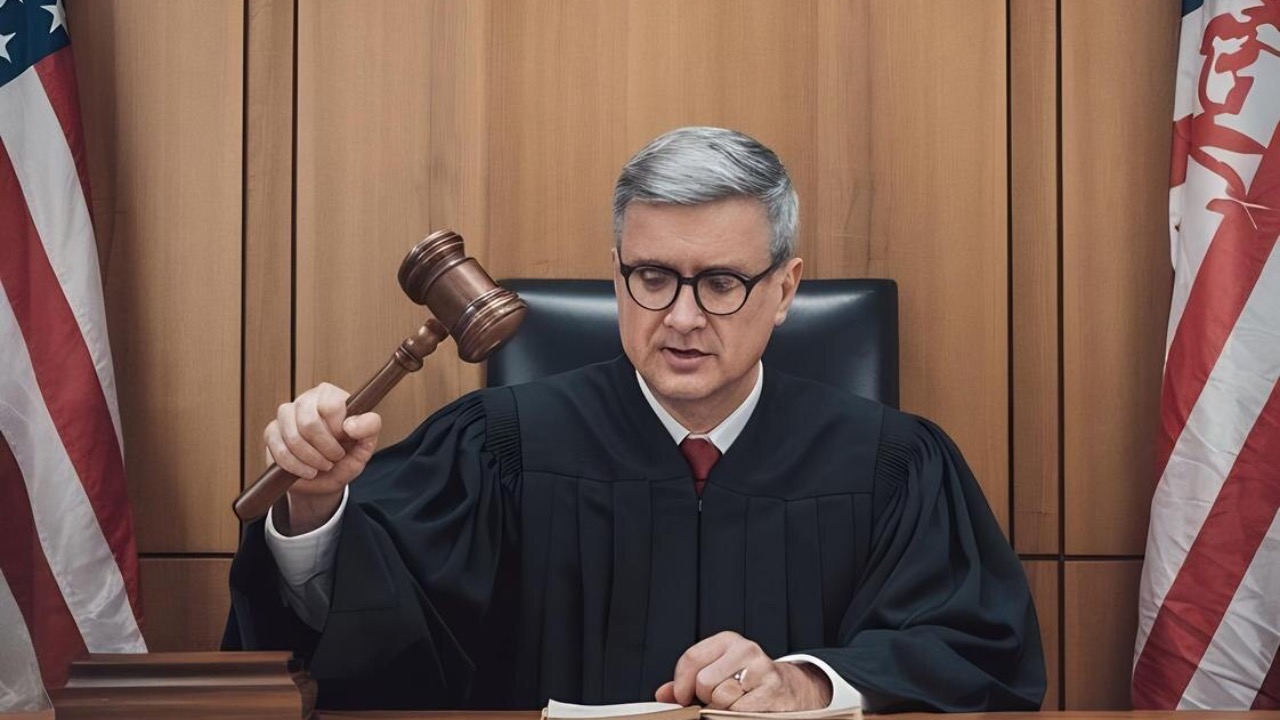
Judge Cogan ruled that officers had enough probable cause to believe Khan violated the safe-storage rule under New York Penal Law. The law requires firearms in vehicles to stay in a locked container out of sight and out of reach, and glove compartments do not count. The corroborated details from the tip, plus what officers saw at the scene, met that threshold even if the original tip was not perfect.
He wrote that law enforcement involves mistakes and that not every error rises to a constitutional violation. Officers acted on the information they had at the moment. Because the initial stop and arrest held up under probable-cause review, the Second Amendment claim could not stand on its own. The suit against the city was dismissed.
How Safe-Storage Rules Played Into the Arrest
New York’s vehicle storage requirements are strict. Leaving a gun unsecured in a car can trigger charges regardless of whether the owner has a carry permit. In Khan’s situation, the court focused on this angle rather than the permit mix-up alone. Officers believed the gun sat in the glove box, which falls short of the law’s definition of a proper depository.
That technical violation gave them legal cover. Khan had followed restaurant rules by moving the firearm out of the building, but the storage method in the car became the sticking point once police arrived. The decision shows how narrowly courts sometimes read these statutes when evaluating police actions in real time.
Reactions Highlight Broader Tensions
Gun-rights groups pointed out the irony of officers receiving a pass for not knowing the law while civilians must follow every detail. One advocate noted that ignorance cuts only one way in these encounters. Veteran-focused outlets covered the story, emphasizing Khan’s service record and his frustration at being treated like a criminal after protecting the country.
Local media also examined the arresting officer’s history of complaints, adding another layer to public discussion. The case has people talking about training gaps, database updates, and whether qualified immunity shields too much when honest mistakes upend someone’s life.
What the Ruling Leaves Unresolved
The decision does not change the underlying gun laws or the storage requirements. It simply means Khan cannot pursue damages through this civil route. Police departments still face pressure to update records after major court rulings like Bruen, yet progress remains slow in some areas. Gun owners in New York continue to navigate a patchwork of regulations that demand precision while officers sometimes operate with outdated tools.
For now, the outcome stands as a reminder that even clear-cut license holders can hit unexpected roadblocks. The veteran’s experience adds to ongoing debates about balance between public safety and individual rights in one of the country’s strictest gun-law states.

Asher was raised in the woods and on the water, and it shows. He’s logged more hours behind a rifle and under a heavy pack than most men twice his age.