Nocturnal Wildlife: 13 Animals Rarely Seen in Daylight
You can spend a lifetime in the woods and still miss half of what lives there. A lot of animals don’t operate on your schedule. They move when the light fades, when pressure drops, and when most people are back at camp or heading home.
That’s what makes nocturnal wildlife so interesting. You’re not seeing them often, but they’re there—working the same ground you hunt, feeding, traveling, and avoiding you without much effort. Once you start paying attention to sign instead of sightings, you realize how busy the night really is. These are the animals you rarely catch in daylight, even if you’re in the right place.
Raccoon
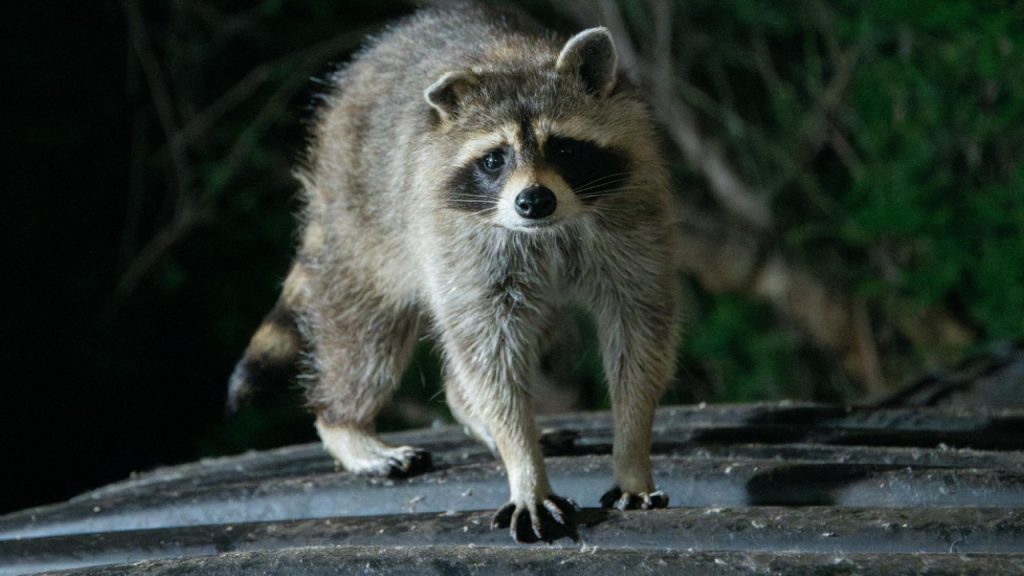
You’ve probably seen tracks along a creek bank or muddy edge long before you spot the animal itself. Raccoon are built for the night, with sharp senses and a habit of sticking to cover when the sun is up.
They move with purpose after dark, working waterlines, fields, and backyards without much noise. During daylight, they’re holed up in hollow trees, brush piles, or abandoned structures. You might bump one on a cold morning, but most of your encounters will come under a headlamp or trail camera. They’re common, but rarely careless.
Opossum
The Virginia opossum is out there more than you think—you’re just not seeing it during the day. It sticks to shadows, moving slow and steady through thick cover once the light drops.
You’ll find their sign near water, barns, and woodlots, often where other animals are feeding. During daylight hours, they’re tucked away in dens, staying out of sight. They don’t rely on speed, so timing matters more than anything. If you’re not out at night, you’re missing them entirely.
Bobcat
You can hunt an area for years and never lay eyes on a Bobcat, even if it’s living right there. That’s how tight they run their schedule.
They prefer low light and darkness, moving edges, creek bottoms, and rocky terrain when things quiet down. Daytime sightings happen, but they’re rare and usually quick. Most of what you know about bobcats comes from tracks, trail cam photos, or the occasional glimpse slipping through cover at first or last light.
Great Horned Owl
When the woods go quiet, and then you hear that deep, steady call, there’s a good chance it’s a Great horned owl working overhead.
These birds are built for night hunting. Silent flight, powerful talons, and sharp hearing give them the edge after dark. During the day, they’re perched high and still, blending into the trees. You can walk right past one and never notice. Once night falls, they take over as one of the top predators in the woods.
Striped Skunk
You’ll usually smell a Striped skunk before you ever see it. They keep a low profile during the day, staying tucked into dens or thick cover.
At night, they move through fields and edges, feeding on insects, small animals, and anything else they can turn up. They’re not fast, but they don’t need to be. That scent defense keeps most threats at a distance. Daytime sightings happen, but more often than not, they’re out working while you’re off the landscape.
Eastern Cottontail (Mostly Night Active)
You’ll see Eastern cottontail during the day now and then, but most of their movement happens at dawn, dusk, and into the night.
They rely on staying hidden more than anything else. Thick grass, brush piles, and field edges give them cover while they wait out daylight hours. Once the light fades, they move out to feed. If you’re only hunting midday, you’re missing when they’re most active.
Red Fox
A Red fox can be active anytime, but they do most of their hunting after dark. That’s when they can move open ground with less risk.
You’ll find them working field edges, fence lines, and brushy draws under low light. During the day, they bed in thick cover or remote areas. They’re sharp, cautious animals, and the night gives them an advantage. Daytime sightings are memorable because they don’t happen often.
Porcupine
The North American porcupine isn’t trying to stay hidden, but it still keeps to a mostly nocturnal routine.
They spend daylight hours resting in trees or sheltered spots, then climb and feed at night. You might find fresh chew marks or droppings before you ever spot one. They move slow and don’t cover much ground, but they do it under the cover of darkness where they’re less likely to be bothered.
Flying Squirrel
If you’ve never seen a Flying squirrel, you’re not alone. They’re out there, but almost entirely at night.
They glide between trees, feeding and moving in the canopy while most people are asleep. During the day, they stay tucked into tree cavities or nests. Even experienced hunters rarely cross paths with them unless they’re specifically looking after dark.
Coyote
You hear them more than you see them. Coyote shift heavily into nighttime movement, especially in pressured areas.
They’ll travel and hunt during daylight in remote country, but near people, they stick to darkness. That’s when they cover ground, call, and work for food. Trail cameras tell the story—most of their activity happens long after sunset.
Armadillo
The Nine-banded armadillo has spread across much of the South and into new ground, but you still don’t see many in daylight.
They root and dig at night, tearing up soil in search of insects. During the day, they stay in burrows to avoid heat and predators. If you’re noticing fresh holes and churned dirt, they’re working the area—you’re just missing them by a few hours.
Badger
A American badger can be active during the day, but most of their digging and movement happens at night.
They’re built for excavation, tearing into the ground after prey. In daylight, they stay low and often remain out of sight. You’re more likely to see the results of their work—fresh holes and disturbed soil—than the animal itself.
Mink
The American mink lives along water and keeps a low profile, especially during daylight hours.
They hunt along creeks, marshes, and riverbanks, often under low light or darkness. Fast, aggressive, and always moving, they don’t spend much time exposed. Most sightings are quick and easy to miss, even if you’re standing close.
You don’t need to see these animals to know they’re there. Tracks, scat, calls, and trail cam photos tell the story. If you want to understand the ground you hunt, start thinking past daylight hours. That’s when a whole different shift takes over.

Asher was raised in the woods and on the water, and it shows. He’s logged more hours behind a rifle and under a heavy pack than most men twice his age.