Ohio Homeowner Hears Late-Night Banging — Then Spots a Trail Camera Outside His Window
Living in Ohio means dealing with quiet nights broken only by wind, animals, or distant road noise. But when banging starts coming from somewhere around your home after dark, instinct kicks in fast. The homeowner in this story didn’t hear footsteps or voices—only repeated knocking sounds that didn’t match normal wildlife behavior. That kind of noise can feel more intentional than natural, especially when it happens near windows.
What makes these situations tense is uncertainty. You can’t always tell if the sound is animal activity, equipment movement, or something more concerning. Many rural homeowners learn to listen carefully before investigating. In this case, the pattern was unusual enough to trigger suspicion without providing clear evidence of what was causing it.
Walking Toward the Window Without Turning Lights On
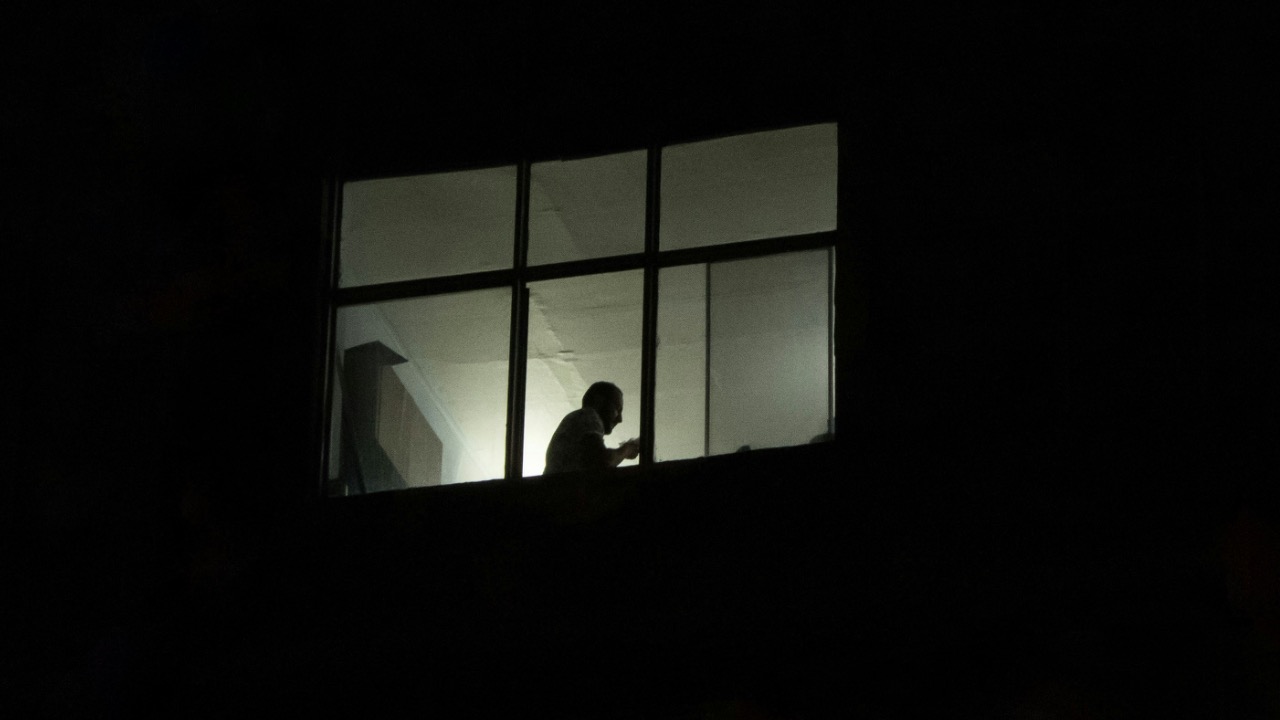
The homeowner reportedly stayed quiet at first, moving slowly toward the source of the sound. Turning lights on too quickly can reveal your position if someone outside is watching. That’s a lesson many rural residents pick up from experience rather than instruction. Instead, he used ambient light coming through the curtains to guide him.
What he saw didn’t make immediate sense. There was something dark attached outside near the window height. At first glance, it could have been animal movement, but it didn’t behave like one. The object looked stationary, which increased suspicion. Moments like this are where adrenaline starts mixing with caution, because rushing outside can sometimes make a situation worse.
The Discovery of the Trail Camera
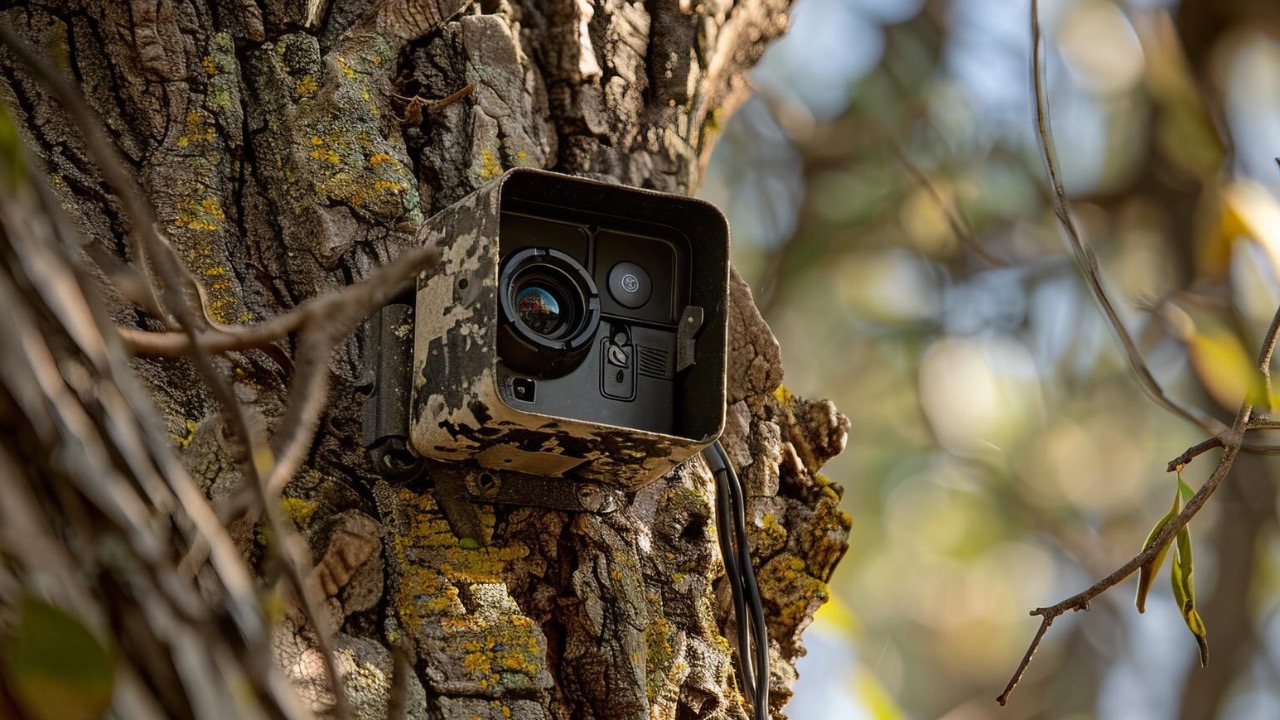
What the homeowner eventually spotted was a trail camera mounted outside the window. Trail cameras are commonly used for wildlife monitoring, hunting scouting, or property surveillance. Seeing one pointed toward a home rather than a field or forest can feel deeply unsettling. The positioning suggested deliberate placement rather than accidental dropping.
Trail cameras are often motion-activated and can record video or photos when triggered. If someone installed it facing a residence, it raises questions about intent. Many rural property owners use these devices responsibly, but misuse or trespassing placement isn’t unheard of. The homeowner did not immediately know who installed it or when it was placed.
Why Trail Cameras Outside Homes Feel Uncomfortable
A trail camera near a home carries psychological weight beyond the device itself. People associate these cameras with hunting, wildlife tracking, or land management. When pointed toward windows or living areas, it creates a feeling of being watched. Even if no malicious intent exists, the perception can cause stress.
Privacy expectations are especially strong in rural living environments. Homeowners often assume their yards are private spaces. Discovering surveillance equipment unexpectedly can trigger concern about safety, property boundaries, or stranger activity. In many similar cases, the first step is documenting the device’s location before touching or removing it.
Possible Explanations Behind the Camera Placement
There are several potential reasons someone might place a camera near a house. Some people use trail cameras to monitor wildlife movement around properties, especially deer or raccoons approaching structures at night. Others use them for security observation when theft or trespassing is suspected.
Less common but concerning possibilities include unauthorized surveillance. Laws around camera placement vary by location, and intent matters legally and ethically. The homeowner’s next step would typically involve checking property records, talking with neighbors, or contacting local authorities to determine who installed the device and why it faced the window.
What Homeowners Should Do If They Find One
If you discover a trail camera outside your home, avoid touching it immediately. Many cameras contain memory cards or may be recording at the moment of discovery. Photograph the device, note its position, and check for additional cameras nearby.
Contacting local law enforcement or property authorities is usually recommended if placement appears suspicious. If the camera belongs to a neighbor, approaching the situation calmly helps prevent conflict. Rural property living often involves shared wildlife monitoring, but placement facing private living spaces is usually considered inappropriate without permission.

Asher was raised in the woods and on the water, and it shows. He’s logged more hours behind a rifle and under a heavy pack than most men twice his age.