Oregon’s new PEACE Act risks criminalising hunters, anglers and ranchers, critics warn
Oregon’s proposed PEACE Act has ignited a fierce fight over where animal welfare protections end and rural traditions begin. Supporters frame the measure as a moral upgrade to state law, while critics warn that its sweeping language could turn routine hunting, fishing and livestock practices into criminal acts.
The clash is forcing Oregon to confront a blunt question of priorities: how far should a state go to redefine “animal cruelty” when that definition touches everything from deer season and rodeos to branding calves and managing predators on private land.
How the PEACE Act would rewrite Oregon’s animal cruelty rules
The PEACE Act, formally titled the Protect Animals from Cruelty and Exploitation Act, is written as an amendment to Oregon’s existing anti-cruelty statutes. Instead of creating a narrow new offense, it would change core definitions in state law, especially what counts as “abuse” or “exploitation” of an animal.
Supporters say the measure seeks to remove exemptions that currently shield many standard agricultural and sporting practices from prosecution. By tightening those definitions, the act aims to ensure that animals used for food, recreation or research receive the same baseline protections as pets under cruelty laws. The approach treats intent and outcome differently: if an animal experiences pain, injury or death in a human-controlled setting, the conduct could fall under criminal scrutiny even if it has long been considered normal husbandry or wildlife management.
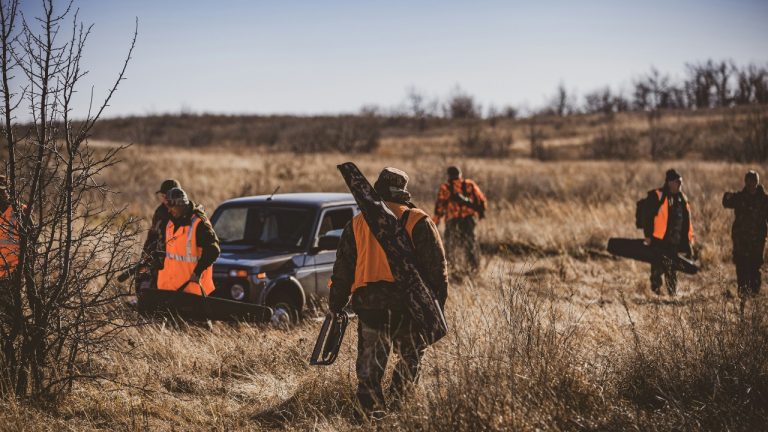
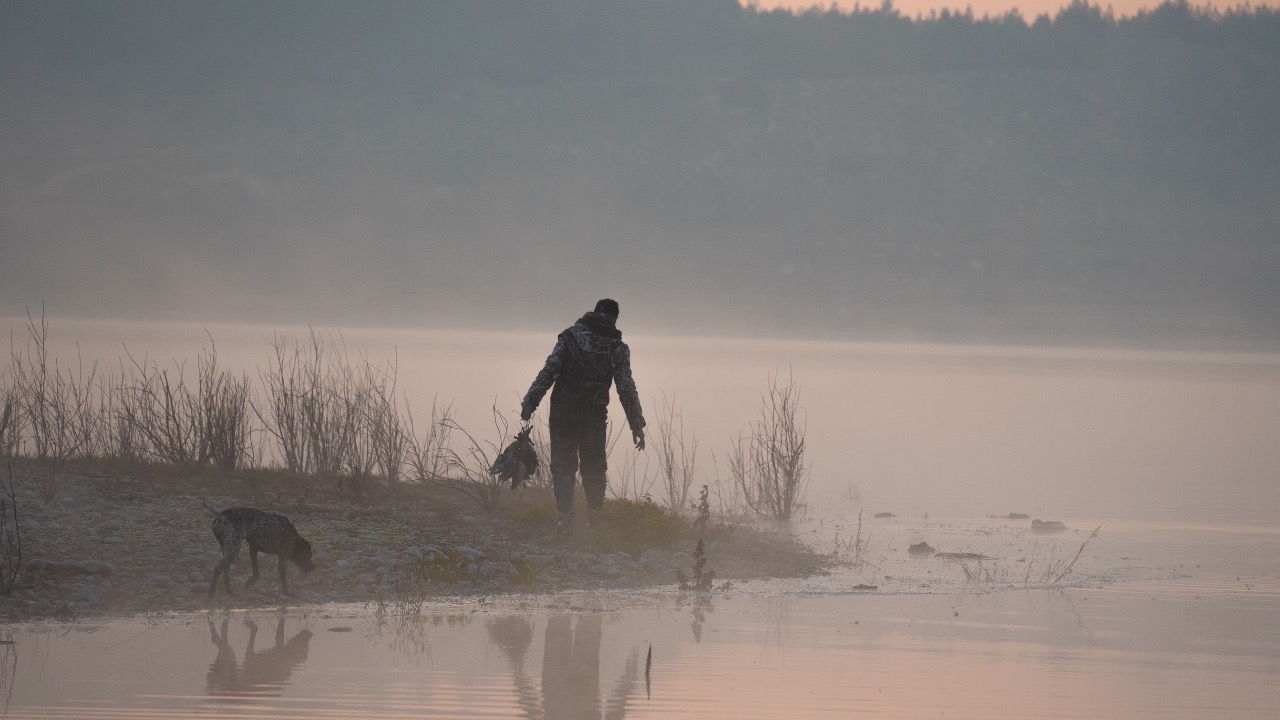
Opponents argue that this structure is exactly what makes the initiative so far reaching. In their view, the measure does not simply ban a handful of extreme practices, but instead recasts any killing of an animal outside of a strict self-defense scenario as potential abuse. Under that reading, a hunter who legally harvests an elk, a rancher who slaughters a cow for meat, or an angler who keeps a salmon could suddenly be exposed to criminal liability.
Critics also point to provisions that treat sexual contact with animals as criminal, then define that contact broadly enough that artificial insemination and some veterinary procedures might be swept in. For ranchers and breeders who rely on artificial insemination to manage herds, that language reads less like a targeted crackdown on bestiality and more like a direct threat to standard reproduction practices.
One analysis from opponents of the measure argues that the PEACE Act would effectively outlaw common forms of hunting, fishing and farming by stripping away long-standing exemptions and redefining them as abuse under state law, with criminal penalties attached to violations described in the proposed initiative.
Why rural communities say the measure puts their way of life at risk
Rural critics see the PEACE Act less as a technical legal update and more as a direct cultural challenge. In many parts of Oregon, hunting and fishing are not only recreation but also a source of meat, a method of wildlife management and a family tradition that connects generations to the land. Ranching and farming, in turn, underpin local economies and supply chains that stretch well beyond state borders.
From that perspective, the initiative looks like an attempt to criminalize the daily work of people who raise cattle, sheep and other livestock for a living. Branding, castration, dehorning and other procedures that are routine in herd management could be recast as intentional infliction of pain. Even if prosecutors focused on the most extreme cases, the risk of investigation alone could drive up insurance costs, deter investment and push some smaller operators out of business.
Hunters argue that the measure ignores the role that regulated seasons, bag limits and license fees play in conservation. License revenue helps fund habitat restoration, research and enforcement. If lawful hunting is treated as cruelty, they warn, the state could lose a key funding stream while wildlife populations suffer from unmanaged growth or increased conflict with farms and suburbs.
Anglers raise similar concerns about fish management. Catch limits and hatchery programs are built on the assumption that people will harvest fish within strict rules. If keeping a fish becomes a prosecutable act, critics say, the logic of those programs breaks down and enforcement agencies would have to rethink everything from gear regulations to stocking plans.
Ranchers also worry about predator control. In regions where wolves, cougars or coyotes threaten calves and lambs, lethal removal is sometimes used as a last resort. If the PEACE Act treats nearly any killing of an animal as abuse, landowners fear they could face charges for defending their herds, even when state wildlife officials authorize removals under current law.
Why the PEACE Act fight is coming to a head now
The timing of the PEACE Act debate reflects a broader shift in how Western states handle animal welfare and environmental policy. Oregon has already moved aggressively on issues like fur trapping, confinement of certain farm animals and protections for predators. The PEACE Act would push that trajectory further by aligning cruelty law more closely with the views of animal rights advocates who argue that sentient animals should not be harmed for food, sport or entertainment.
Backers of the initiative see an opportunity to lock those values into statute at a moment when public opinion, especially in urban centers, has grown more skeptical of practices such as trophy hunting or industrial-scale meat production. For them, the measure is a way to close what they see as loopholes that allow cruelty to persist under the banner of tradition.
Opponents counter that the proposal lands at a time when rural economies already face pressure from wildfire risk, drought, volatile commodity prices and regulatory changes in areas like water rights and land use. Adding potential criminal exposure for basic animal handling, they argue, could be a breaking point for some family operations that have survived for generations.
The political geography of Oregon adds another layer of tension. Much of the population lives in the Willamette Valley and other urban corridors, while most of the land base is rural. Critics fear that voters with little direct experience of ranching or hunting will decide the fate of communities that depend on those activities. That dynamic fuels a sense of disenfranchisement that has surfaced before in fights over timber harvests, gun laws and wolf management.
The measure also intersects with national debates over meat consumption, climate policy and the ethics of using animals for food. Advocates for stronger protections argue that shifting away from animal agriculture reduces greenhouse gas emissions and improves public health. Ranchers and farmers respond that they are already adapting with improved grazing practices and that blanket criminalization of livestock use would simply offshore production to regions with weaker standards.
What could happen next if the PEACE Act advances
If the PEACE Act qualifies for the ballot and passes, the most immediate impact would be legal uncertainty. Law enforcement agencies, prosecutors and courts would have to interpret the new definitions in real cases involving hunters, anglers, ranchers and pet owners. Until appellate courts set clear precedents, people who work with animals could find themselves guessing where the line between lawful conduct and abuse actually lies.
State agencies that manage wildlife and agriculture would likely need to rewrite regulations, permit conditions and guidance documents. Hunting and fishing seasons could be curtailed or restructured, and some types of gear or methods might be banned outright to avoid conflict with the new cruelty standards. Livestock producers might face new record-keeping requirements or inspections to demonstrate compliance.
Legal challenges are almost certain. Opponents could argue that the measure is unconstitutionally vague or that it conflicts with federal laws governing meat inspection, wildlife management or interstate commerce. Courts would then have to balance the state’s interest in preventing cruelty against the rights of property owners and the practical need to manage wildlife and food production.

Leo’s been tracking game and tuning gear since he could stand upright. He’s sharp, driven, and knows how to keep things running when conditions turn.