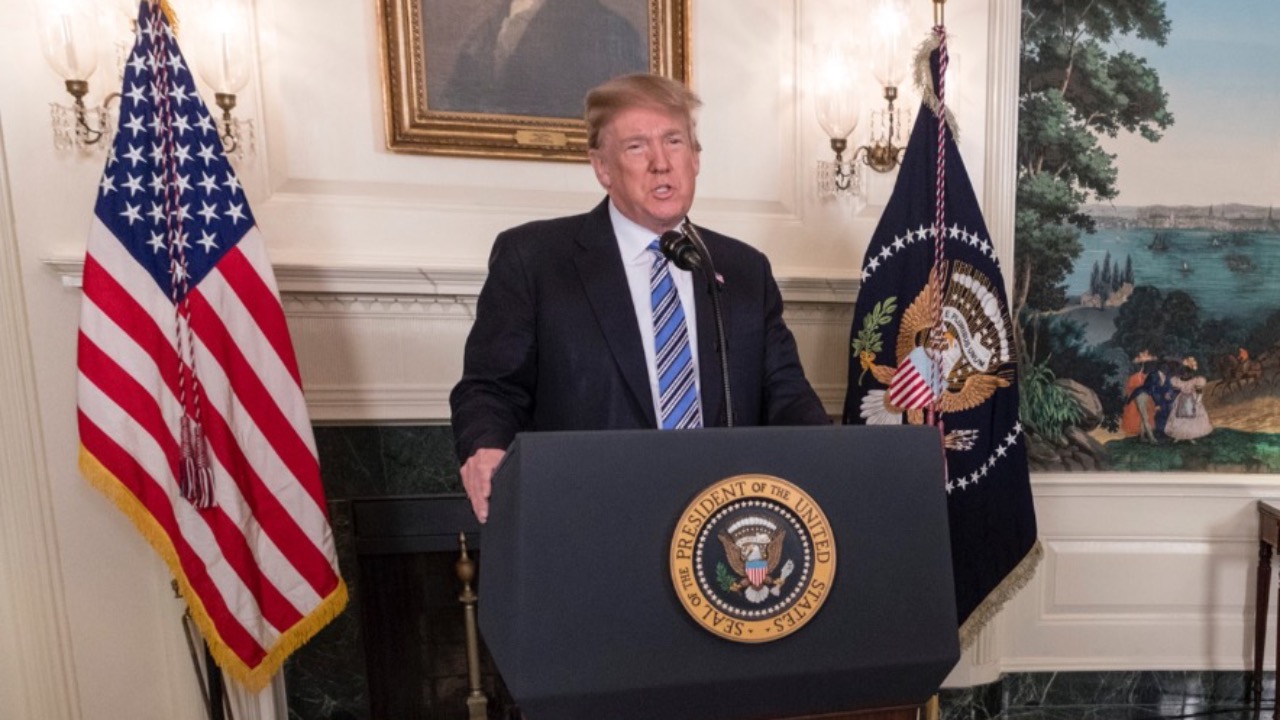
Pastor condemns ‘hypocrisy’ of Trump’s fortified ballroom event amid calls for child gun safety reform
In the swirl of Washington politics last week, a single social media post from Rev. Benjamin Cremer cut through the noise surrounding a security scare at the White House Correspondents’ Dinner. You watch as the details unfold: shots fired near the ballroom where President Trump and top officials gathered, a gunman stopped before he could get inside, and quick moves by the Secret Service to keep everyone safe. At the same time, Trump and his allies pointed to the moment as proof that the country needs a new, heavily secured ballroom at the White House itself. Cremer, a pastor known for speaking plainly on faith and public life, stepped in with a pointed critique. He questioned why such urgent protection ramps up for one powerful figure while calls for basic gun safety steps to shield children keep hitting roadblocks. His words landed at a time when the nation still grapples with repeated school shootings and stalled reform efforts, forcing everyone to examine the gaps between elite safeguards and everyday risks.
The Security Scare at a High-Profile Gathering

You recall the reports from late April at the Washington Hilton. A gunman approached a checkpoint outside the ballroom hosting the White House Correspondents’ Dinner, fired shots, and wounded a Secret Service officer before agents returned fire and took him into custody. No one inside the event suffered serious harm, yet the close call rattled the capital. President Trump used the episode right away to defend his vision for a massive new ballroom at the White House, arguing it would create a controlled space for future gatherings like this one.
Supporters echoed the call, saying the incident proved the need for tighter venues under direct presidential oversight. Critics, though, saw the push as missing a larger point about gun access in public spaces. The event itself stayed non-governmental, held at a hotel rather than on federal grounds, which only sharpened the debate over where and how protection gets prioritized.
The Pastor’s Direct Challenge to Inconsistent Standards
Rev. Benjamin Cremer posted a message that many shared quickly across platforms. He highlighted the contrast between rushing to build a secure ballroom for the president and the slower pace of changes that could limit access to guns for those who might harm children. You notice how he framed it as a test of values, asking why resources flow fast for one man’s safety but lag when it comes to schoolkids facing the same threats.
His background as a pastor who often speaks on social issues gave the statement weight among faith communities. He avoided partisan shouting and instead invited reflection on whether current priorities match the protection offered to the vulnerable. The post gained traction because it touched on a frustration felt across party lines: the sense that high-level security moves faster than fixes for daily dangers.
President Trump’s Long-Standing Ballroom Plans
Plans for the White House ballroom trace back months, tied to the demolition of the East Wing. You see Trump describe the project as essential for hosting secure events without relying on outside hotels. Estimates put the cost around four hundred million dollars, with backers claiming private donors would cover it, though lawsuits have slowed progress over questions of presidential authority and historic preservation.
After the dinner incident, Trump repeated that nothing should delay the work, calling the new space a practical solution for future threats. Allies in Congress, including Senator Tim Sheehy, moved to introduce bills that would clear the way for construction. The timing made the proposal feel urgent to some, while others viewed it as an expensive fix aimed at one administration rather than a broad policy shift.
How the Shooting Fuels Calls for Faster Construction
Within hours of the shots at the Hilton, Trump told reporters the event showed why the ballroom must move ahead without delay. You watch political figures line up behind him, with some Democrats even suggesting the security scare outweighs earlier objections. Acting officials sent letters pressing to drop related lawsuits, signaling a full-court press to resume work.
The argument rested on the idea that a dedicated, fortified space on White House grounds would prevent outsiders from getting close in the first place. Supporters pointed to the dinner as a real-world example of vulnerability at off-site venues. Yet the episode also reignited talk about whether structural changes alone address the root causes of gun violence that reach far beyond any single ballroom.
Everyday Risks Faced by Children in Schools
School shootings remain a steady part of the national conversation, with families across the country still demanding stronger background checks, safe storage laws, and limits on certain weapons. You consider the statistics that show children dying from gunfire in classrooms or on playgrounds at rates unmatched elsewhere in the developed world. Advocates for reform argue these measures would save lives without stripping law-abiding citizens of their rights.
The contrast Cremer drew sits right here. While officials scramble to shield a presidential event, the same energy rarely appears when communities push for changes after the latest classroom tragedy. Parents and teachers keep pressing for action, but legislative progress often stalls amid partisan divides, leaving many feeling the system protects the prominent far more readily than the young.
Faith Communities Weighing in on the Matter
Cremer’s words resonated with Christians who see a disconnect between protecting power and shielding the innocent. You hear other faith leaders echo his concern that selective safety reveals something deeper about national priorities. Some progressive voices in churches framed the ballroom push as misplaced focus when gun deaths among children continue year after year.
Traditional congregations, meanwhile, split along familiar lines, with many defending the president’s right to strong security while still supporting Second Amendment protections. The pastor avoided calling for specific bills and instead urged consistency: if safety matters for leaders, it should matter just as much for kids. His post invited believers to examine whether their faith shapes policy views or the other way around.
Political Figures Responding to the Criticism
Lawmakers reacted in predictable patterns after Cremer’s statement spread. You see Trump allies dismiss the hypocrisy charge as political theater, insisting the ballroom serves future presidents and national security needs. A few moderate voices acknowledged the tension but argued that elite protection does not cancel out the need for gun laws.
Democrats used the moment to renew calls for reform packages that have languished in Congress. The back-and-forth highlighted how quickly an incident can become ammunition for both sides. Public opinion polls taken in the days after showed divided reactions, with many Americans agreeing that child safety deserves the same urgency shown for high-profile events.
What This Reveals About National Values
The exchange between the pastor and the political response forces a broader look at what the country chooses to protect first. You notice how resources and attention flow toward symbols of power while grassroots efforts for gun safety often rely on advocacy groups and local initiatives. Cremer’s critique did not propose a simple fix but asked people to weigh the human cost on both sides of the debate.
In the end, the story lingers because it touches on trust in institutions. When a single pastor’s post sparks nationwide discussion, it shows how deeply Americans feel the pull between security for leaders and safety for the next generation. The coming weeks will test whether the ballroom debate leads to any movement on the reforms that parents and communities keep requesting.

Asher was raised in the woods and on the water, and it shows. He’s logged more hours behind a rifle and under a heavy pack than most men twice his age.