The weapons that mattered most before modern law enforcement
Before badges, cruisers, and radios, keeping order fell on whoever was standing there when things went sideways. Towns had watchmen, militias, and a handful of elected officials, but most of the time, you were your own backup. The tools people carried weren’t chosen for show—they were practical, durable, and easy to bring into a fight on short notice.
You see a pattern when you look back. The weapons that mattered weren’t always the most advanced. They were the ones that worked in tight spaces, held up under rough use, and didn’t ask much from the person carrying them. Here’s what actually mattered when law enforcement as you know it didn’t exist.
The Club and Baton Were Always Within Reach
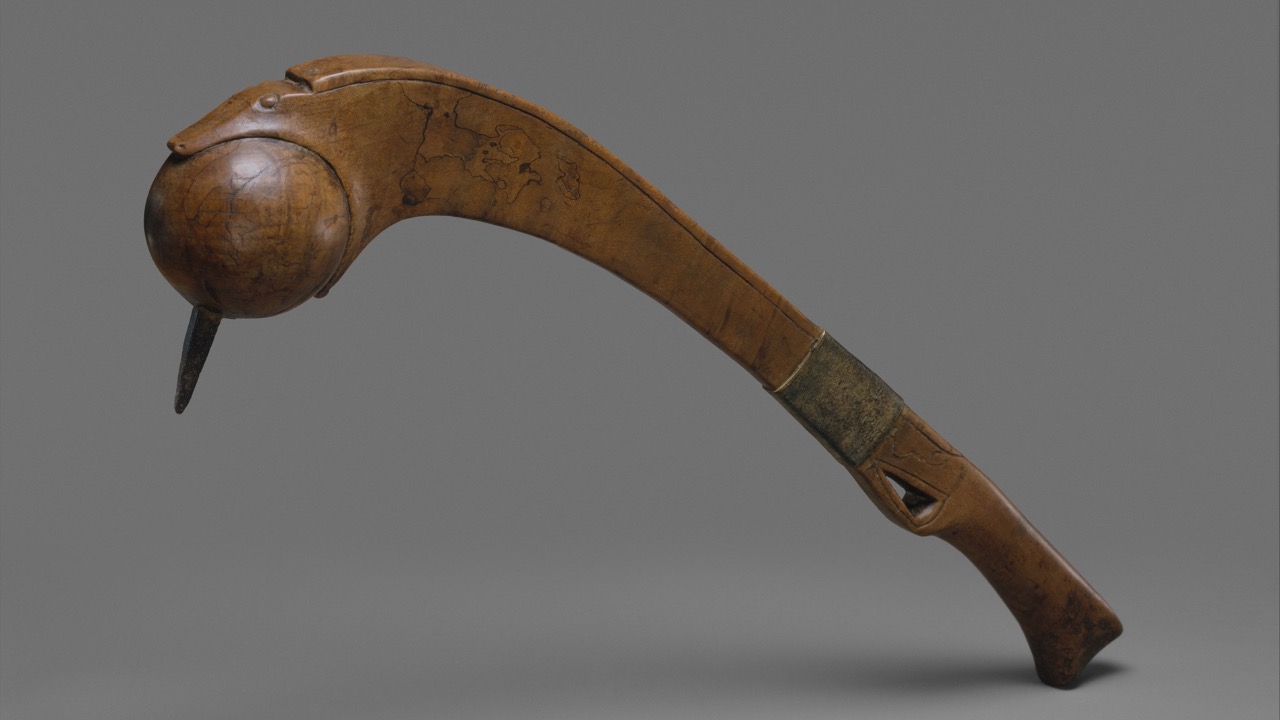
You don’t need much training to swing a stick, and that’s exactly why it stuck around. Clubs and batons were common because they were easy to carry and didn’t draw much attention until they were needed.
In towns and early settlements, a heavy piece of wood could handle most problems without escalating things too far. It gave you reach, authority, and a way to control a situation without immediately turning it lethal. That mattered when disputes were personal and often happened among neighbors. You weren’t always looking to kill someone—you were trying to end a fight and go home.
The Knife Was the Tool That Never Left Your Side
A knife wasn’t carried as a weapon first. It was a daily tool, and that’s what made it so effective when trouble started. You already had it on you, and you knew how to use it.
In close quarters, a blade is fast and direct. There’s no fumbling, no setup. That made it a last line of defense when things got physical. It also meant fights were often decided quickly and at arm’s length. You didn’t have distance to rely on, so you needed something dependable in your hand.
Early Firearms Changed the Balance
Once firearms entered the picture, they shifted how people handled conflict. Even early models—single-shot pistols and long guns—gave you reach that no blade could match.
They weren’t fast by modern standards. Reloading took time, and reliability could be hit or miss. But the presence of a firearm alone carried weight. It could stop a fight before it started. In rural areas especially, a long gun wasn’t optional. It served for hunting, protection, and settling threats that came from both man and animal.
The Sword Carried Authority as Much as Function
In earlier periods, swords weren’t uncommon among those tasked with keeping order. They weren’t subtle, and that was part of the point. A sword signaled authority the moment it was seen.
In trained hands, it was effective, but it also required skill to use well. That limited who carried one. You saw them more with officials, military men, or those who could afford both the weapon and the time to learn it. Over time, as firearms became more common, the sword faded, but for a long stretch, it stood as both a practical weapon and a visible symbol of control.
The Shotgun Was Built for Close Work
When things needed to be handled quickly at short range, the shotgun filled that role. Even early versions gave you a wide pattern and strong stopping power.
That made it useful for guarding property, handling threats at night, or dealing with multiple targets at close distance. It wasn’t refined, but it didn’t need to be. In tight spaces like homes, barns, or narrow streets, it gave you an advantage without requiring pinpoint accuracy. That practicality kept it relevant wherever people had something worth protecting.
The Rifle Was a Rural Necessity
Outside of towns, distance mattered. A rifle gave you the ability to deal with threats before they got close, whether that meant a predator or a person.
Accuracy and range made it valuable in open country. You weren’t dealing with crowded streets—you were dealing with land, livestock, and isolation. A rifle let you control space around you in a way nothing else could at the time. It also doubled as a hunting tool, which meant it was always part of daily life, not something set aside for emergencies.
Improvised Weapons Filled the Gaps
When nothing else was available, people used what they had. Axes, hammers, farm tools—anything with weight and a handle could become a weapon if needed.
That reality says a lot about the time. You weren’t always prepared, and you didn’t always have a dedicated tool for defense. Situations developed fast, and you adapted with whatever was in reach. These weren’t ideal choices, but they were real ones, and they showed up more often than people like to admit.
Carrying a Weapon Was Part of Daily Life
What stands out when you look back is how normal it was to be armed. It wasn’t a special circumstance—it was routine. People expected to handle problems themselves.
That shaped how weapons were chosen. They had to be practical, reliable, and easy to live with day in and day out. You weren’t gearing up for a rare event. You were carrying something that fit into your daily work, your travel, and your surroundings. The tools that lasted were the ones that earned their place every single day.

Asher was raised in the woods and on the water, and it shows. He’s logged more hours behind a rifle and under a heavy pack than most men twice his age.