Poaching Cases That Shocked Wildlife Officers
Wildlife officers see plenty during a career. Most cases involve someone bending the rules—shooting after hours, tagging the wrong deer, or crossing a property line they shouldn’t. But every so often, officers uncover something much bigger. Those are the cases that stick with them for years.
The worst poaching cases usually involve greed, arrogance, or plain carelessness. Sometimes the animal is wasted. Other times the crime stretches across years and multiple states. What makes these investigations memorable isn’t only the illegal kill—it’s the scale of the damage and the effort officers put into bringing it to light.
Here are several poaching cases that left even seasoned wildlife officers shaking their heads.
The Crater Lake Trophy Elk Poacher
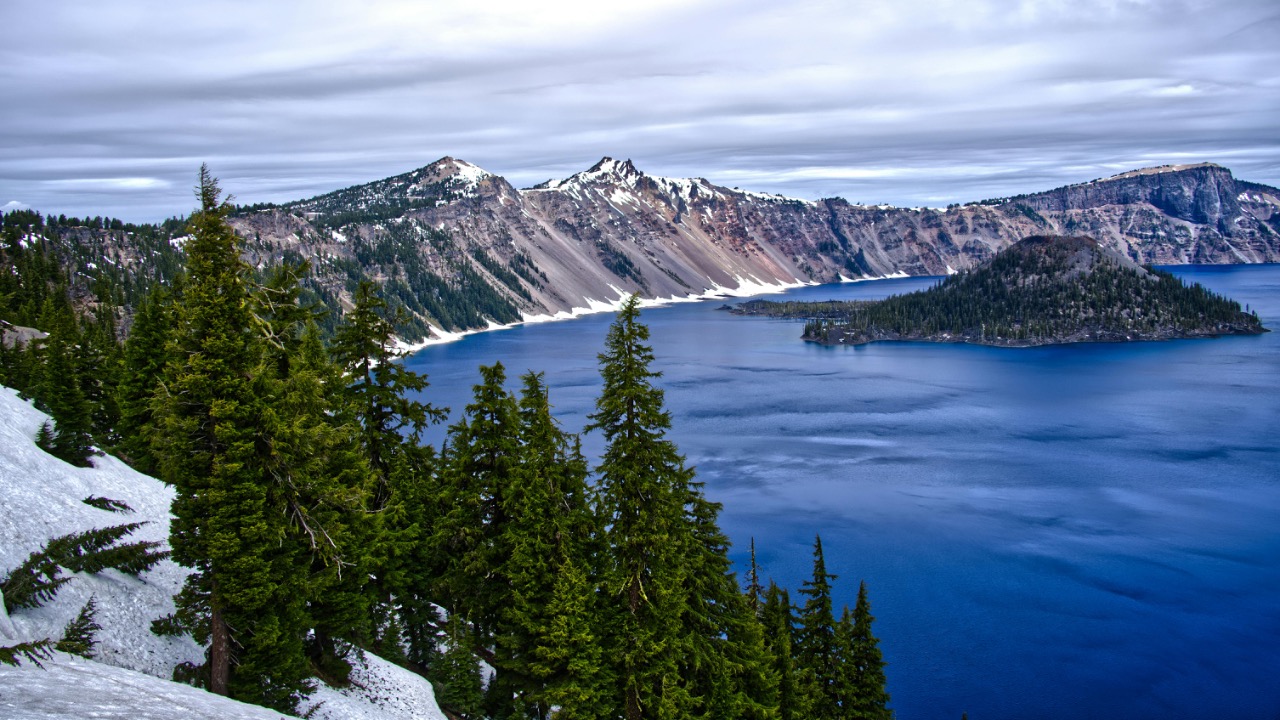
When investigators started digging into a poaching case at Crater Lake National Park, they realized they weren’t dealing with a one-time mistake. A man from Oregon had been illegally killing wildlife inside the park for years.
One of the most shocking discoveries involved a trophy bull elk taken deep inside the park, where animals have no reason to fear hunters. These elk are used to hikers and tourists, which makes them especially vulnerable. Investigators later tied the suspect to multiple illegally taken animals.
The case eventually led to federal charges under the Lacey Act. The poacher was ordered to pay more than $42,000 in restitution and faced strict hunting restrictions. Wildlife officers involved said the hardest part was knowing how long the killing had gone unnoticed before the investigation finally caught up with him.
The Social Media Elk Poacher
A Washington man practically built the case against himself. He regularly posted photos online showing off animals he claimed to have harvested. At first glance, it looked like the bragging of a successful hunter.
Wildlife officers began looking closer and noticed something strange. The locations didn’t line up with legal hunting areas. Search warrants eventually revealed he had illegally killed multiple elk, deer, and black bears. In several cases he used bait or shot animals on neighboring property.
Investigators even recovered messages where he offered to kill an elk for a friend if he could keep the antlers. The case turned into a long investigation that involved social media records, mapping tools, and evidence seized from a taxidermist. Officers said the suspect’s online boasting made it one of the more unusual poaching cases they’d handled.
The Virginia “Hollywood Buck”
Wildlife officers sometimes deal with famous animals—deer known by locals who watch them for years. That’s what happened with a massive whitetail nicknamed the “Hollywood Buck” that roamed near Hollywood Cemetery.
The buck carried a rack that reportedly reached 29 points and had become something of a legend around Richmond. People photographed it regularly, and it had lived safely in the cemetery grounds where hunting wasn’t allowed.
The poacher made a critical mistake after killing the deer. He posted photos online, bragging about the harvest. Locals immediately recognized the animal. Wildlife officers stepped in, and the case ended with jail time, heavy fines, and a long hunting license revocation. The backlash from the public was intense because many residents had followed the buck for years.
The Ohio 18-Point Whitetail Case
In Ohio, officers uncovered a poaching operation centered on a massive 18-point whitetail buck. The deer had been illegally killed and sold as part of a larger scheme involving multiple people.
Investigators eventually linked the ringleader and his accomplices to numerous wildlife violations. The scale of the case pushed prosecutors to pursue a record restitution penalty.
The final sentence included six months in jail and more than $43,000 in fines, the highest restitution ever ordered in the state for a single illegally killed deer. Wildlife officials called the buck an important natural resource, and the case sent a message about how seriously the state treats trophy poaching.
The Eagle Trafficking Ring
Some poaching cases go far beyond a single animal. One of the most disturbing involved a trafficking ring that targeted protected birds across the American West.
Investigators discovered that a man had been killing eagles and other birds of prey for years. He and his associates used animal carcasses to lure birds close before shooting them. Feathers and parts were then sold on the black market.
Authorities believe more than 100 eagles and thousands of birds were killed during the operation. When the case finally went to court, the leader of the ring received nearly four years in federal prison and was ordered to pay more than $700,000 in restitution. Wildlife officers described the scale of the killing as one of the most troubling bird-poaching investigations they had seen.
The Massive Antler Theft in Wyoming
Poaching doesn’t always involve pulling a trigger. In Wyoming, wildlife officers started tracking illegal shed antler collectors who were disturbing wintering elk and mule deer herds.
Shed antlers can be valuable, sometimes selling for hundreds of dollars each. The problem is that gathering them too early in the season stresses animals already struggling through winter.
One investigation uncovered a man who had illegally collected more than 1,000 pounds of antlers before the legal season opened. The haul was valued at around $18,000. Officers said the case highlighted how antler markets have created a new type of wildlife crime that many people don’t even realize qualifies as poaching.
The Yellowstone Bison Killing That Changed the Law
One of the most famous poaching incidents happened in the early days of Yellowstone National Park. A man named Edgar Howell was caught after killing bison inside the park’s protected Pelican Valley.
At the time, there was a problem: no federal law clearly allowed prosecution of wildlife crimes in the park. Howell was detained but couldn’t be properly charged. The incident outraged conservationists.
Public pressure pushed Congress to act. The result was the passage of the Lacey Act in 1894, one of the first major federal wildlife protection laws. Officers still talk about the case today because it helped create the legal tools they now use to fight poaching across the country.
The Utah Trophy Elk and Deer Scheme
Wildlife officers in Utah uncovered a case that involved multiple hunters working together to take far more animals than their tags allowed.
Investigators eventually learned the group had illegally killed several elk and deer, including trophy bulls. The suspects manipulated tag systems, used tags issued to other people, and illegally possessed firearms while hunting.
The investigation crossed state lines and involved officers in multiple jurisdictions. When the case finally wrapped up, the poachers faced fines, jail time, and potential hunting bans across dozens of states through the Interstate Wildlife Violators Compact. Officers said it was one of the clearest examples of organized big-game poaching they had seen in the region.
The Rhino Poaching Network
Wildlife officers around the world have dealt with organized poaching rings targeting rhinos for their horns. One of the largest investigations centered on South African safari operator Dawie Groenewald.
Authorities accused him and his associates of running a massive network that killed rhinos and trafficked their horns internationally. The case eventually involved more than 1,600 criminal charges tied to racketeering, wildlife trafficking, and poaching.
Investigators said the scale of the operation stunned them. Rhino horn can sell for enormous sums on the black market, which has fueled organized crime around the species. Cases like this show how poaching can evolve from a single illegal hunt into a global criminal enterprise.

Asher was raised in the woods and on the water, and it shows. He’s logged more hours behind a rifle and under a heavy pack than most men twice his age.