Wild Animals That Look Harmless—Until People Get Too Close
Spend enough time outdoors and you learn something quickly: appearances don’t mean much in the wild. Plenty of animals look calm, slow, or even friendly at first glance. They graze in open meadows, waddle along shorelines, or sit quietly on a rock while people snap photos. But step too close, block their escape route, or surprise them at the wrong moment and the situation can turn fast.
Most wildlife attacks aren’t predatory. They happen because people misread an animal’s comfort zone. Many species that seem harmless are actually strong, territorial, or protective of young. When that line gets crossed, they respond the way nature designed them to. If you spend time hiking, hunting, fishing, or camping, these are the animals you learn to respect long before you learn the hard way.
Elk
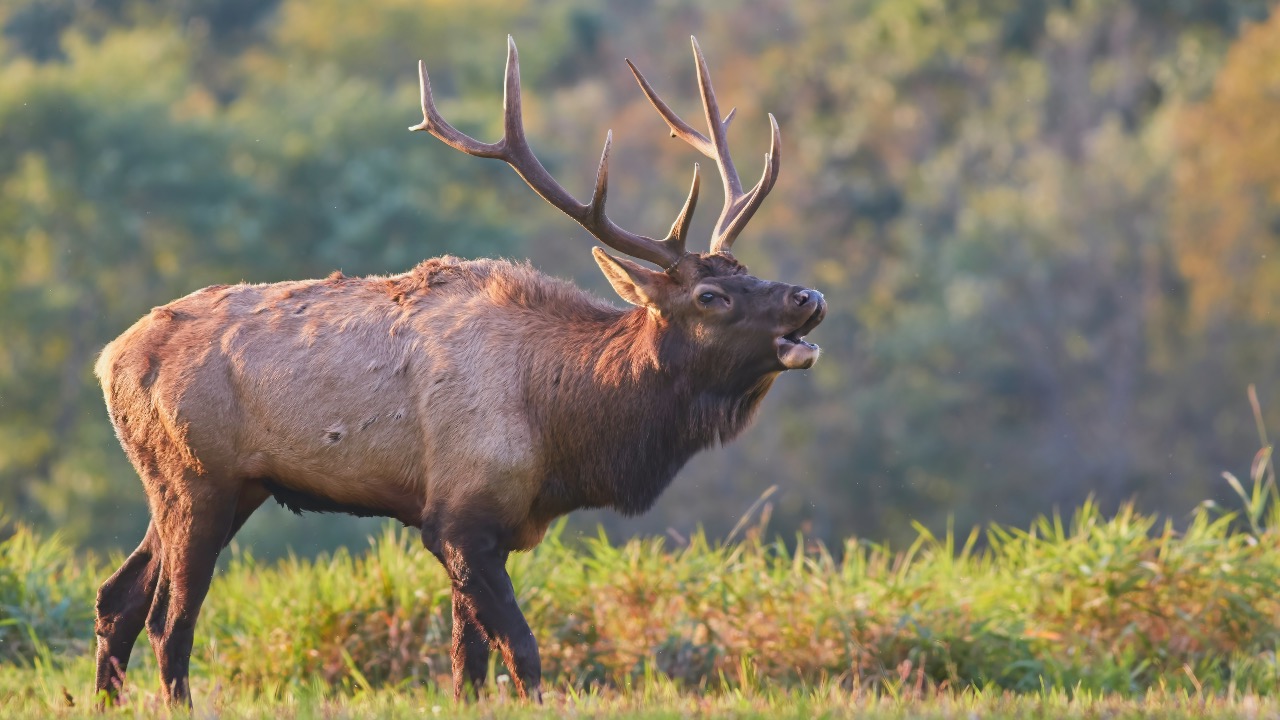
An elk standing in a meadow looks calm enough to make people forget how large it really is. Bulls can weigh over 700 pounds, and even cows carry plenty of muscle. During the rut in fall, bulls become especially aggressive as they compete for cows and defend territory.
You don’t need to be another elk to get their attention. Hikers who wander too close or try to photograph them during the rut have been chased or trampled. Even cows with calves can react violently if they think you’re a threat.
What catches people off guard is how fast they move. Elk can cover ground quickly, and once they decide to charge, there’s little room for mistakes. Giving them space is the only smart move.
Moose
At a distance, a moose often looks like a slow, almost clumsy animal browsing on willow or standing in shallow water. That illusion disappears the moment you get too close. Moose are responsible for more injuries to people in parts of North America than bears.
A mature bull can weigh well over half a ton, and cows protecting calves are extremely defensive. When irritated, a moose will pin its ears back, raise the hair along its neck, and start moving toward you with purpose.
They also kick forward with their front legs, which can break bones easily. People often underestimate them because they appear calm and quiet. In reality, a moose demands a lot of distance.
Bison
Bison spend most of their time grazing slowly, which leads many park visitors to assume they’re gentle giants. In reality, they’re unpredictable and incredibly powerful. Adult bulls can weigh close to a ton and run faster than most people expect.
In places like Yellowstone National Park, people approach them every year for photos. That’s when things go wrong. Bison will charge if they feel crowded or threatened, and when they do, the outcome usually favors the animal.
They don’t bluff often. When a bison lowers its head and begins moving your direction, you’re dealing with several thousand pounds of muscle that can outrun you across open ground.
Beavers
Most people think of beavers as hardworking builders quietly shaping streams and ponds. They’re not aggressive animals by nature, but they defend their territory when cornered. Up close, their size surprises many people.
A large beaver can weigh 40 to 60 pounds, and those front teeth are built for cutting hardwood trees. If someone tries to grab one or corner it along the bank, the beaver will bite hard enough to cause serious damage.
Encounters usually happen when people try to handle them or approach lodges and dams too closely. Leave them alone and they go back to their work. Push your luck and they respond quickly.
Swans
Swans have a reputation for elegance. They glide across lakes and ponds with almost no noise, which makes them look calm and harmless. During nesting season, that image changes fast.
A nesting swan guards its territory aggressively. If someone approaches the nest or gets too close to the waterline, the bird may rush forward with wings spread wide. Those wings aren’t delicate either. They’re strong enough to knock someone off balance.
Most confrontations happen when people walk dogs or wander too close along shorelines in spring. The swan sees you as a threat to its nest and reacts immediately.
Sea Lions
Sea lions lounging on docks or beaches often draw crowds because they look playful and curious. They bark, roll around, and seem comfortable around people. That relaxed behavior hides a powerful animal built for speed and bite strength.
Adult males can weigh several hundred pounds and defend territory aggressively during breeding season. Even females will snap if someone gets too close or tries to touch them.
There have been cases where people leaning over docks to photograph them ended up getting bitten. Sea lions aren’t looking for trouble, but they don’t tolerate being crowded. A few feet too close is all it takes.
Mountain Goats
Mountain goats live in steep, rocky country where people often assume they’re used to human traffic. In national parks and alpine trails, they sometimes approach hikers out of curiosity or in search of salt from sweaty gear.
That curiosity can turn dangerous if people mistake it for friendliness. A mountain goat carries sharp horns and isn’t shy about using them when it feels challenged. There have been cases where hikers were seriously injured after goats became aggressive.
Part of the problem is how comfortable they appear in rugged terrain. People relax around them, forgetting that an animal balanced on a cliffside has no trouble moving quickly when it wants to.
Wild Turkeys
A flock of wild turkeys feeding in a field looks harmless enough. Most of the time they are. But mature toms during breeding season can become extremely territorial, especially around people they’ve grown accustomed to seeing.
In suburban areas, turkeys sometimes start treating people like rivals. They’ll puff up their feathers, fan their tails, and charge with sharp spurs aimed forward. Those spurs are designed for fighting other males and can cause real injuries.
Wild turkeys rarely attack in remote areas, but where they lose their fear of humans, problems happen. It usually starts when people feed them or get too comfortable sharing space.
Raccoons
Raccoons have a reputation as clever little scavengers that rummage through coolers and trash cans. Their size makes them look like manageable animals, but they can be surprisingly aggressive when cornered.
A raccoon defending itself will bite and claw repeatedly. They’re also strong for their size and extremely fast in tight spaces. Campers who try to chase them away with their hands sometimes find out the hard way that raccoons don’t bluff.
The bigger concern is disease. Raccoons can carry rabies and other illnesses, which makes any bite a serious issue. They may look like backyard troublemakers, but you’re better off giving them space.
Sea Otters
Sea otters float on their backs and crack shellfish on their bellies, which makes them look almost cartoonishly harmless. That friendly image causes people to forget they’re still wild predators with powerful jaws.
An adult sea otter has sharp teeth designed for crushing shells and tearing into prey. When people paddle kayaks too close or attempt to interact with them, otters sometimes respond with bites.
Most negative encounters happen because someone tried to approach for photos or feed them. Otters tolerate boats and humans at a distance, but close contact changes the equation quickly.
Porcupines
A porcupine waddling through the woods looks slow and almost comical, but it carries a defense system that demands respect. Those quills aren’t thrown like darts, but they detach easily when touched.
Dogs learn this lesson the hard way every year when they rush in out of curiosity. A face full of quills means a trip to the vet. Humans who try to pick up a porcupine or move one out of the road risk the same outcome.
Porcupines are calm animals most of the time. The problem starts when someone ignores the warning signs and closes the distance.
Manatees
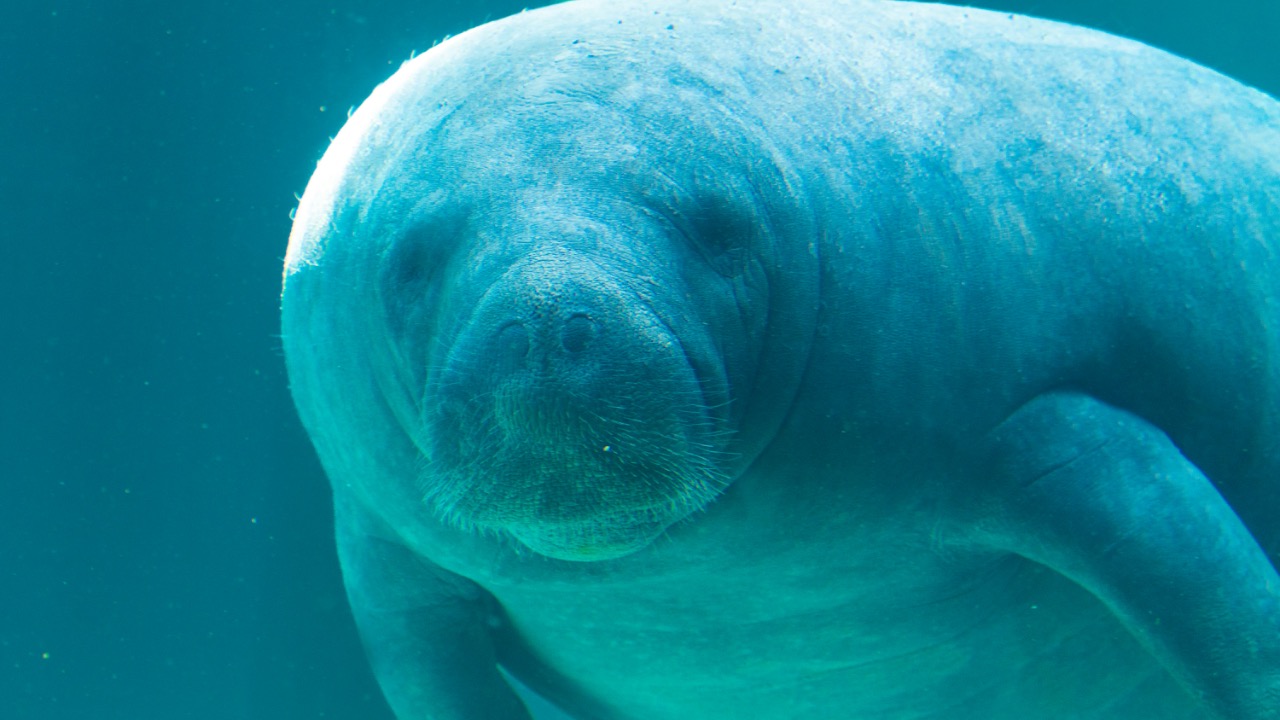
Manatees drift through warm coastal waters looking like oversized floating logs. Their slow movements and gentle feeding habits earned them the nickname “sea cows.” That calm behavior often tempts people to swim right up to them.
While manatees aren’t aggressive, they’re massive animals that can weigh over a thousand pounds. Getting too close can lead to accidental collisions in the water, especially if the animal startles.
Another issue is stress. Harassing or chasing them forces them to burn energy they need to survive. Respecting their space protects both you and the animal. In the wild, even peaceful creatures deserve distance.

Asher was raised in the woods and on the water, and it shows. He’s logged more hours behind a rifle and under a heavy pack than most men twice his age.