Police encounters that go smoother when people choose their words carefully
Every traffic stop or street encounter with police carries real stakes, from tickets and searches to potential arrest. The law sets the outer limits of what officers can do, but in the moment, the words people choose often decide whether things stay routine or spiral into conflict. Careful language, paired with a clear sense of rights, can lower the temperature, protect a person’s legal position, and sometimes shorten the encounter altogether.
When I look at research on traffic stops and civil liberties guidance, a pattern emerges: people who stay calm, speak briefly and precisely, and assert their rights in plain, respectful terms tend to have smoother outcomes. The goal is not to win an argument on the roadside, it is to get home safely while preserving every option to challenge what happened later.
Why tone and word choice matter from the first moment
The first few seconds of contact with an officer set the emotional tone for everything that follows. Studies of traffic stops show that an officer’s opening words can predict whether a stop escalates, which means the way a driver responds in that same window also carries weight. When someone answers with measured, neutral phrases instead of sarcasm or anger, it signals that they are not a threat and are willing to communicate, which can nudge the officer toward a less confrontational approach.
Legal experts who focus on Navigating Police Interactions emphasize the importance of staying calm and respectful even when a person strongly disagrees with what is happening. They note that while someone may feel a stop is unfair, arguing about it on the roadside rarely changes the outcome and can instead influence the overall course of the encounter in a negative way. Choosing words that acknowledge the officer’s role without conceding any legal issue, such as “Officer, I will cooperate,” keeps the focus on safety rather than conflict.
The law gives you rights, but your phrasing protects them
Knowing one’s rights is only half the battle; the other half is invoking them clearly and safely. Civil liberties guidance stresses that people who are stopped for questioning should use specific phrases instead of vague complaints. Asking “Am I free to go?” is a targeted way to find out whether an interaction is voluntary or whether the person is being detained, and if the officer says yes, the advice is to leave calmly rather than linger and argue.
If the officer says no, the same guidance recommends that a person then ask for a lawyer and avoid discussing the incident with anyone other than their attorney. The wording here matters: a direct request for counsel is stronger than a casual remark about “maybe needing a lawyer.” Resources on Know Your Rights also warn that refusing to identify oneself when required can lead to arrest, so the smarter move is to provide basic identifying information while still declining to answer substantive questions about alleged conduct.
Staying calm and respectful without surrendering your position
There is a difference between being polite and being submissive. People often worry that if they speak gently or say “sir” or “ma’am,” they are giving up ground, but in practice, respectful language is a tool for self‑protection. Legal practitioners who offer Expert Tips for smoother encounters point out that a calm demeanor can reduce the chance of misunderstanding and help a person assert their rights more effectively.
They also urge people to be mindful of their body language and tone, since officers are constantly scanning for signs of aggression or flight. Saying “I do not consent to any searches” in a steady voice, with hands visible and movements slow, is very different from shouting the same sentence. Guidance on police interactions specifically warns against disrespecting an officer, lying, or physically resisting, even if someone believes the officer is acting unlawfully, because those choices can create new charges and greater danger.
Traffic stops: scripts that keep things routine
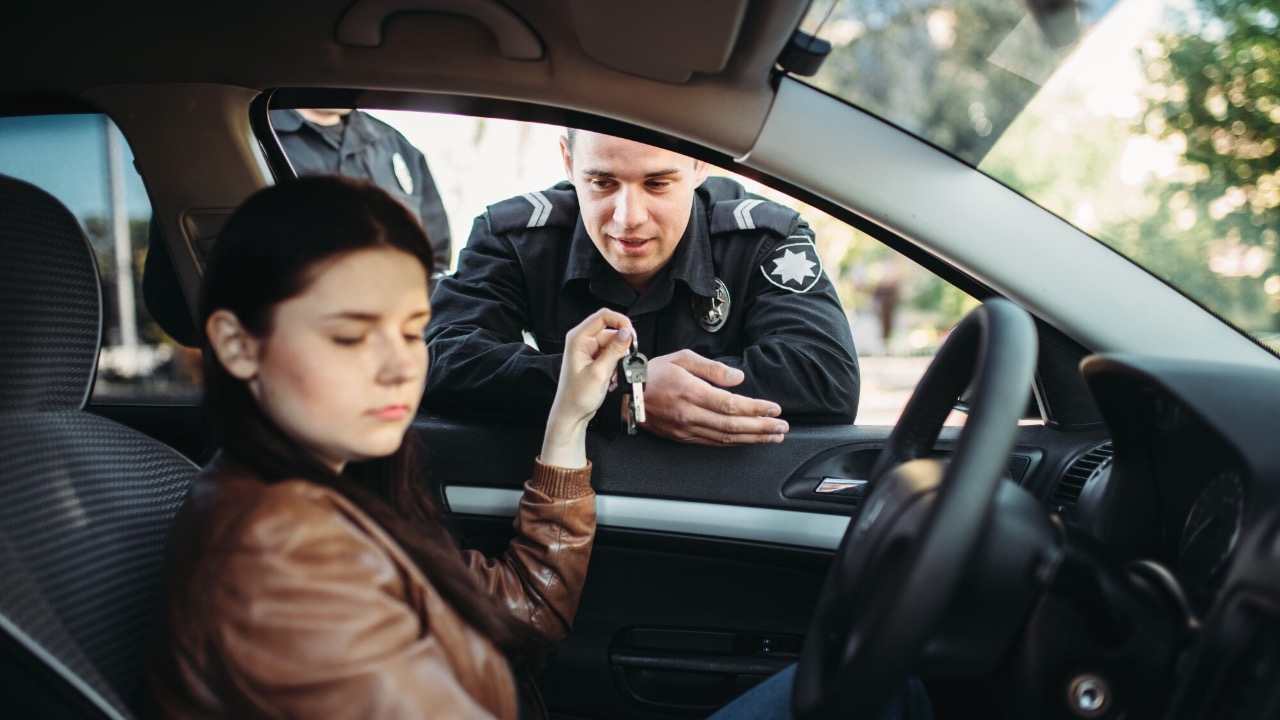
Traffic stops are where many people first encounter law enforcement, and they are also where nerves spike the fastest. Instructional breakdowns of how to handle a traffic stop describe the moment when red and blue lights appear in the rearview mirror and a driver’s heart starts pounding, then walk through concrete steps to regain control. They advise drivers to pull over safely, turn off the engine, keep hands on the wheel, and let the officer speak first before offering any explanation.
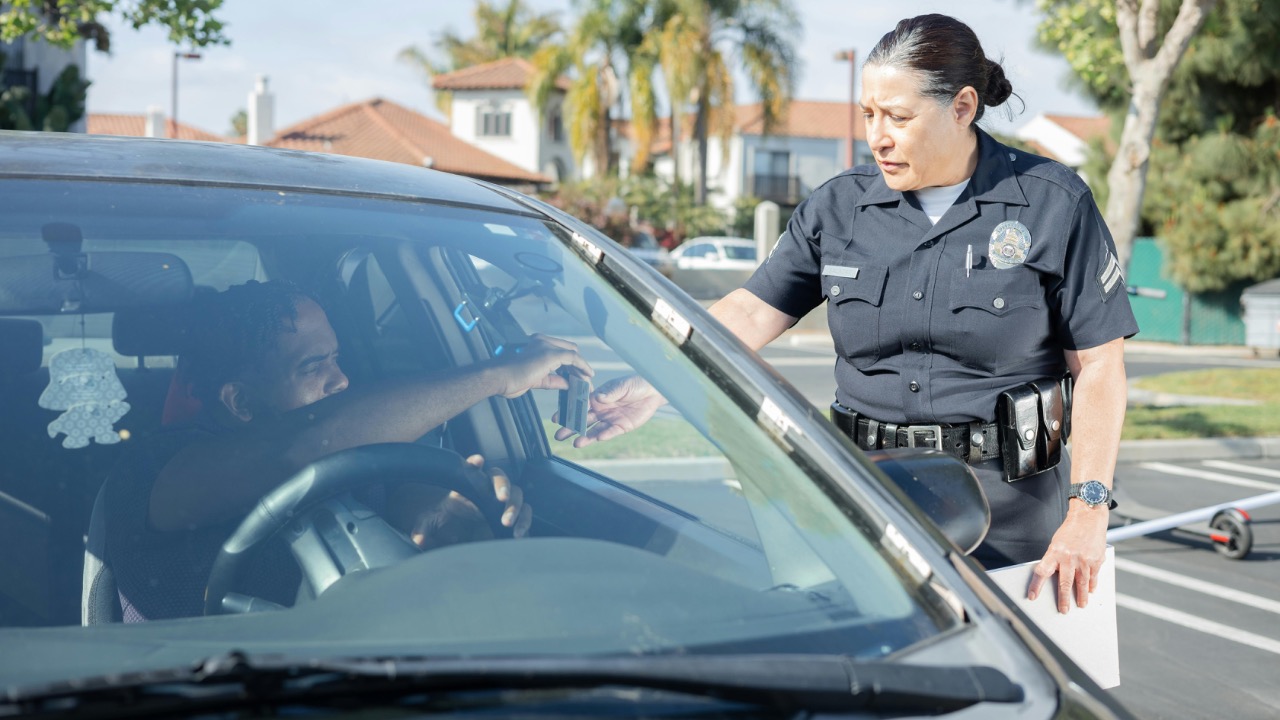
One detailed video guide on How to Handle a traffic stop underscores that people should avoid sudden movements and should not reach for documents until the officer asks. Written advice on Being pulled over notes that one of the most important things to remember is that drivers have specific rights in these encounters, but they also face time‑sensitive obligations, such as producing a license and registration when requested. Short, factual answers like “My license is in my wallet in my back pocket” before reaching can prevent misunderstandings.
Short answers, not small talk
Once the basics are out of the way, many officers shift into casual‑sounding questions that are anything but casual from a legal standpoint. “Do you know why I pulled you over?” or “Where are you coming from?” can feel like small talk, but they are often designed to elicit admissions or inconsistencies. Legal defense guidance advises people to let the officer start talking and to keep their own answers brief, avoiding volunteered information that goes beyond the question.
Resources that explain Before You Say or do anything during a stop recommend responses like “No, officer” to the “Do you know why” question, which avoids guessing at a violation, and “I prefer not to answer” when asked about travel plans. A short video guide on Effective Tips for stops reinforces the same point, suggesting that people start with a simple “Good evening, officer” and then stay calm and polite while declining to answer potentially incriminating questions.
How officers’ communication style shapes your best response
Communication is a two‑way street, and research shows that officers’ word choices have measurable effects on how stops unfold. A study of vehicle stops found that encounters ending in escalation were almost three times more likely to begin with the officer issuing commands instead of explanations, a pattern highlighted in the study’s Findings. When an officer opens with “License and registration, now” rather than a calm explanation of the reason for the stop, it signals a more controlling stance that can make people defensive.
Another analysis of body‑camera footage notes that an officer’s choice of words within the first 27 seconds of a routine traffic stop can predict how the rest of the encounter will unfold. That work, summarized under the phrase Within the first 27 seconds, suggests that people who recognize a more aggressive tone early on should be especially careful to keep their own language neutral and non‑provocative. Saying “I am listening, officer” or “I understand your instructions” can sometimes soften a tense script that the officer has unconsciously started to follow.
Listening more, talking less: borrowing a page from good policing
Ironically, some of the best advice for civilians comes from training materials aimed at officers themselves. Communication experts who work with law enforcement describe an “80‑20 principle” in which officers are encouraged to talk less and listen more, using open‑ended questions and reflective statements to build rapport. In that framework, good police communication is defined by patience, clarity, and empathy rather than by raised voices or rapid‑fire commands.
Guidance on What Does Good urges officers to be compassionate and empathetic, which is a useful model for civilians as well. When people mirror that approach by listening carefully, pausing before they answer, and asking clarifying questions like “Are you ordering me or asking me?” they reduce the risk of miscommunication. A study of officer communication tactics found that when officers used a positive tenor in their demeanor, suspects were compliant 99.3% of the time, and Similarly positive communication was shown to significantly increase suspect compliance, which suggests that calm, measured language from both sides is a powerful de‑escalation tool.
Asserting rights clearly during searches and questioning
When an encounter shifts from casual questions to requests for searches or more intensive questioning, the stakes rise quickly. People have the right to refuse consent to a search of their car, bag, or body in many situations, but that right only helps if it is invoked clearly. Campus legal guidance on Interacting With Police Officer explains that individuals have the right to remain silent and to ask for a lawyer, and that they should not physically resist even if they believe an arrest is unlawful or unfair.
Practical advice for people who travel with large amounts of cash, for example, warns that playful or flippant remarks can backfire badly. One guide on avoiding seizures of cash urges people not to make jokes, but instead to be civil, somewhat formal, and “dead serious,” speaking as little as necessary because the more someone talks, the more likely they are to say something that can be misinterpreted. That guidance on Don’t make playful or flippant remarks dovetails with broader civil liberties advice: a firm “I do not consent to any searches” or “I choose to remain silent” is far safer than nervous chatter or attempts at humor.
When you disagree with an officer, save the fight for later
Many of the worst‑case scenarios in police encounters begin with a simple disagreement that turns into a confrontation. People who feel they are being profiled or mistreated understandably want to push back in the moment, but rights groups stress that the roadside is rarely the place to litigate fairness. Guidance on STRATEGIES FOR REDUCING THE RISK TO YOURSELF advises people not to get into an argument with the officer, not to lie or use false documents, and not to physically resist, even if they believe the officer is acting unlawfully.
Instead, the recommended script is to comply with basic commands, state objections briefly if necessary, and then document everything as soon as it is safe. People can ask for badge numbers, note the time and location, and later file complaints or challenge charges in court. Legal practitioners who focus on Oct guidance on police encounters argue that by maintaining a calm and respectful demeanor, people help establish a cooperative dialogue and can ask clarifying questions rather than assuming or guessing about what is happening. That approach does not guarantee a fair outcome, but it maximizes safety in the moment and preserves every option to seek accountability later.

Asher was raised in the woods and on the water, and it shows. He’s logged more hours behind a rifle and under a heavy pack than most men twice his age.