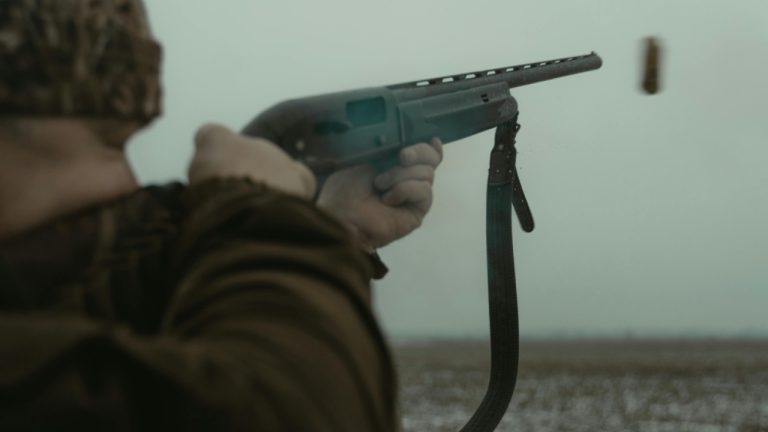
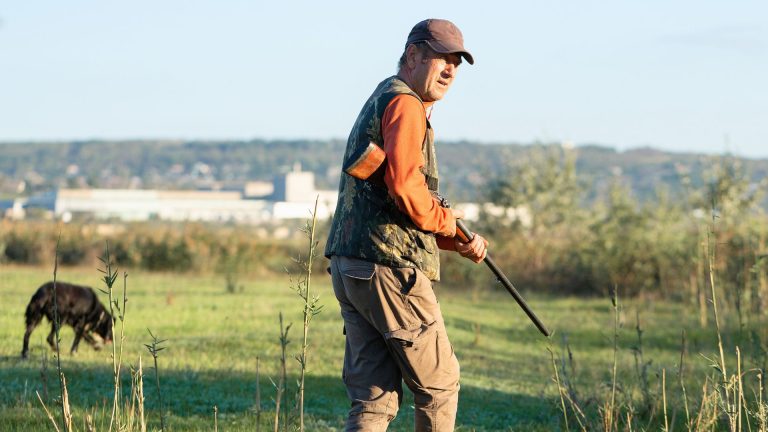
New Data Highlights Changes in Big Game Movement
Across the West and into the Northeast, wildlife agencies are quietly rewriting what they know about deer, elk, and other big game. New GPS collars, long‑running habitat studies, and shifting hunter behavior are revealing that animals are moving differently than they did even a decade ago, and regulators are racing to keep up. Those changes are now reshaping everything from forest plans to tag structures and youth seasons.
What emerges from the latest data is not a single neat trend but a patchwork of local stories: herds rebounding in some places, struggling in others, and hunters adjusting tactics as animals respond to pressure. I see a common thread running through it all, however, as agencies lean on more precise movement and habitat information to redesign seasons, redraw hunt areas, and recalibrate expectations in the field.
GPS Collars Rewrite the Map of Big Game Movement
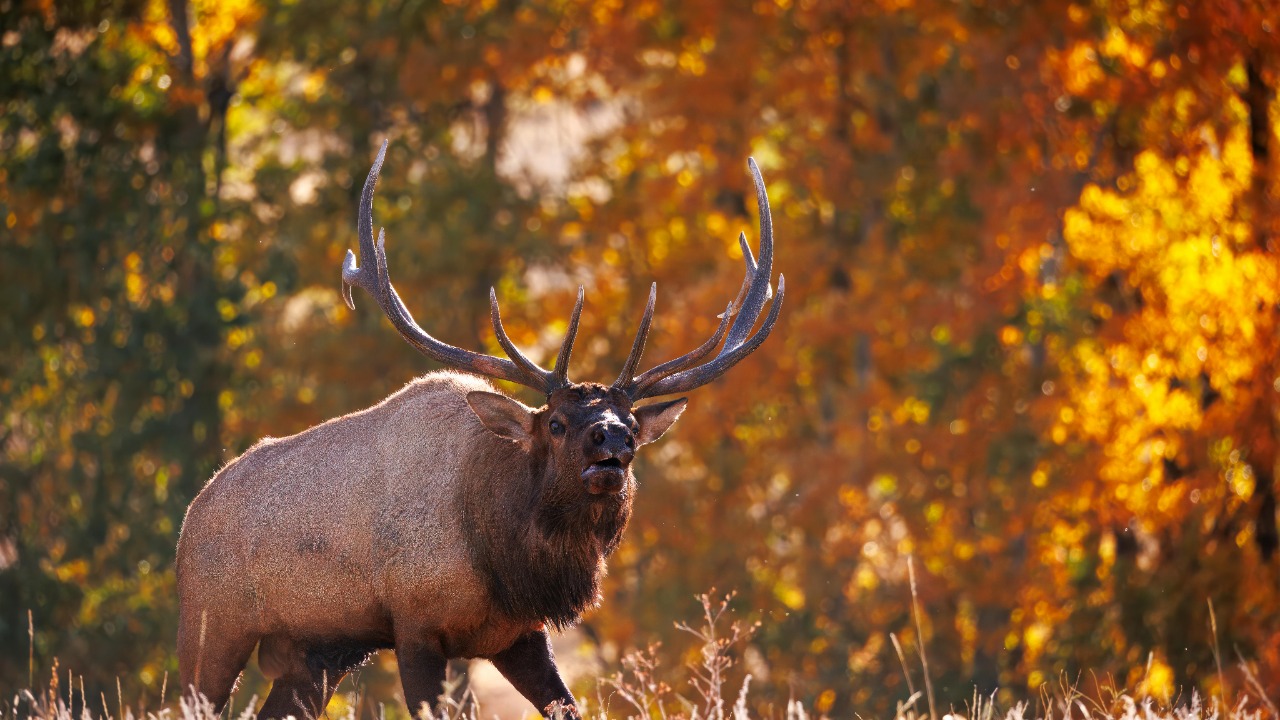
For decades, managers relied on sporadic aerial surveys and hunter reports to guess where big game traveled, but that picture is being transformed by high‑frequency tracking. Modern GPS collars now deliver a dozen data points a day, giving biologists a near‑continuous record of where animals feed, rest, and migrate across public lands. In Colorado, that stream of information has become central to a new national forest plan that treats migration corridors and seasonal ranges as critical infrastructure, using Modern GPS data to steer road building, energy development, and habitat restoration away from the most sensitive routes.
That same technology is reshaping how agencies understand day‑to‑day deer behavior under hunting pressure. In Kentucky, a recent Deer Movement Update used GPS‑collared wild deer to show how Bucks ramp up travel during the rut, then tighten their home ranges during the hardest part of the year. That kind of fine‑scale movement record is now feeding directly into season timing and public messaging, as agencies warn hunters that animals may be highly mobile one week and almost nocturnal the next.
Habitat Change Is Quietly Steering Winter Ranges
Movement is not only about collars and corridors, it is also about what animals find when they arrive on winter range. In Utah, long‑running vegetation plots on key big game areas are giving managers a rare look at how forage is changing under drought, grazing, and development. The state’s DWR has emphasized that the ability to detect changes in vegetation composition on big game winter ranges is an important part of its management, using those range trends to adjust herd objectives and habitat projects.
Those same Utah plots are now directly linked to deer and elk management plans, with the DWR stating that the ability to detect changes in vegetation composition on big game winter ranges is an important part of its big game management and that the information feeds into specific deer and elk management plans. The more detailed version of that framework, available through the agency’s DWR documentation, underscores how winter range quality now sits alongside population counts when managers decide whether herds can grow or need to be held steady.
When Hunters Enter the Woods, Deer Change Their Routes
If habitat and climate are the slow forces shaping movement, hunter pressure is the immediate one. Biologists who specialize in spatial ecology have been using GPS data to show how deer alter their patterns once the first shots ring out. In a recent discussion, researcher Brian was described as “a spatial guy” who, back in the early 2000s, started playing around with location data to understand why deer seemed to vanish when seasons opened, a line of inquiry that is now widely shared through platforms like Jun hunting seminars.
Those insights are now being reinforced by live collar data from state agencies. Kentucky’s Bucks on the Move project, for example, has shown that deer often compress their movements into thicker cover and more nocturnal windows once gun seasons begin, then expand again when pressure eases. A separate recording of that research conversation, shared through a Brian focused clip, highlights how these behavioral shifts can be mapped almost in real time, giving hunters and managers a clearer sense of how quickly deer adapt to human presence.
Western States Redraw Seasons and Hunt Areas
As movement data accumulates, Western wildlife agencies are not just watching, they are rewriting regulations. In Idaho, officials reported that Big game hunters apparently got after it in the fall of 2024, accomplishing a statewide hat trick of harvest increases, the first time in several years that deer, elk, and pronghorn all ticked up together. That success, detailed in the state’s Aug outlook, has prompted a closer look at whether recent habitat work and migration protections are lining up with where animals actually move and where hunters concentrate.
Colorado is seeing a similar recalibration. Local reporting from Craig has noted that the quantity and quality of deer are climbing, though the increase has been slower due to chronic wasting disease and other pressures, while elk herds show stronger rebounds. That context, captured in a Sep season preview, is feeding into decisions about archery and muzzleloader timing, as managers try to balance growing hunter interest with herds that are improving but still vulnerable in some units.
Oregon’s Mule Deer Overhaul Signals a New Management Era
Nowhere is the link between movement data and regulation more explicit than in Oregon’s pending changes for Mule Deer. In a package of Oregon Big Game Changes for 2026, the state is Replacing wildlife management units with deer hunt areas for determining hunt boundaries, a shift designed to better match tag structures with how deer actually use the landscape. That overhaul, outlined in an Oregon Big Game briefing, reflects years of concern about declining Mule Deer numbers and the need to align opportunity with conservation.
State staff have been unusually direct about the stakes. In a public video, game program manager Derek Broman of ODFW told hunters that “big changes” are coming to mule deer hunts in 2026 and stressed that the agency wants hunters to understand how new areas and tag allocations will work. That message, shared through an Apr announcement, underscores how agencies are now using both data and direct communication to prepare hunters for a world where traditional unit lines give way to boundaries drawn around real‑world movement.
New York’s Regulatory Tweaks Follow Shifting Deer Dynamics
Movement‑driven change is not confined to the West. In New York, regulators are rethinking how youth hunts and replacement tags interact with deer behavior and population goals. The New York State Department of Environmental Conservation has proposed several changes to deer hunting regulations, including adjustments to youth season structures and tag rules, as part of a broader effort to fine‑tune harvest pressure in different regions, a package summarized in a New York State briefing.
At the heart of that proposal is a nuanced change to how young hunters can replace tags. Officials have explained that Replacement tags would be for the opposite sex deer as was harvested during the youth hunt, for example, harvest of an antlered deer during the youth hunt would result in a replacement tag for an antlerless deer. That detail, spelled out in the agency’s Replacement language, is designed to steer harvest toward the sex that can best absorb additional pressure in each area, a subtle but telling example of how agencies are using demographic and movement data to shape opportunity.
Success Rates Reveal How Animals and Hunters Are Adapting
While GPS tracks and vegetation plots show where animals go, harvest statistics reveal how often hunters are catching up with them. In Nevada, the latest big game status report notes that the overall success rate for Any Legal Weapon seasons was 33% statewide, which is well below the previous 3‑year average of 38%. Those exact figures, detailed in the state’s Apr draft, suggest that either animals are harder to find, hunters are changing tactics, or both.
Those statewide numbers are backed up by more localized accounts of how herds and hunters are interacting. In northwest Colorado, for example, local coverage has highlighted that archery and muzzleloader big game seasons are showing a rebound in herds, with rifle hunters poised for a solid season, even as chronic wasting disease and weather continue to complicate the picture. That balance of optimism and caution is captured in a archery season preview, which notes that the quantity and quality of deer are climbing, though their populations are improving more slowly than elk.

Leo’s been tracking game and tuning gear since he could stand upright. He’s sharp, driven, and knows how to keep things running when conditions turn.