Protected Robin Nest Halts Truck Delivery in Kansas, Spotlighting Tensions Between Wildlife Laws and Business
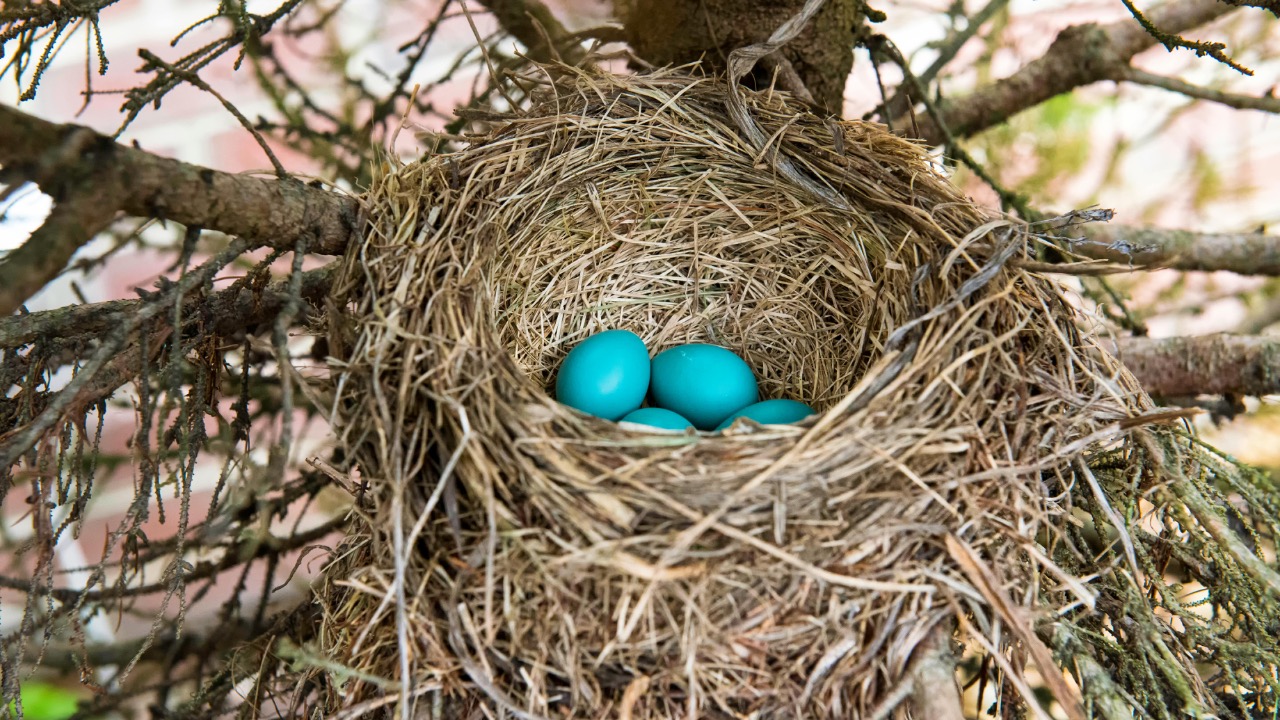
A truck delivery in Kansas was reportedly delayed after workers discovered a protected robin nest in a location that interfered with loading or access. The situation brought an unusual but real conflict into focus: how wildlife protection laws can temporarily override business operations when nesting birds are involved.
While the delay may seem minor, it highlights how federal and state protections for migratory birds can affect everyday commercial activity. In this case, operations were paused rather than forced forward, as disturbing an active nest could violate wildlife regulations designed to protect native bird populations.
What triggered the delivery delay
The issue began when workers identified an active robin nest in an area tied to the delivery process. Under federal protections for migratory birds, including common species like robins, active nests cannot be removed or disturbed until the nesting cycle is complete.
That means even routine business activities can be interrupted if a nest is discovered in a critical spot. In logistics and transportation settings, this can create unexpected delays, especially during peak nesting seasons when birds are more likely to build nests in sheltered or industrial areas.
Wildlife protection rules and how they apply
The Migratory Bird Treaty Act is one of the key laws involved in situations like this. It protects native bird species in the United States by making it illegal to harm or interfere with active nests, eggs, or young birds without authorization.
In practice, this means companies often have to pause work, reroute operations, or wait until birds naturally leave the nest. While the rules are straightforward legally, they can become complicated on active job sites where timing and scheduling are critical to business operations.
Business disruption and practical challenges
For logistics and trucking companies, delays like this can create ripple effects. A single blocked loading area can impact delivery schedules, driver hours, and downstream shipments that depend on tight timing.
Businesses sometimes attempt to plan around wildlife activity, but nests are unpredictable. Birds may build in unexpected places, and once a nest is active, relocation is generally not allowed under federal rules. That leaves companies with limited options beyond waiting or adjusting workflow temporarily.
Why robins and other common birds are protected
Even though robins are common across much of the United States, they are still protected under federal law because the Migratory Bird Treaty Act covers a wide range of native species. The goal is to maintain stable bird populations and prevent habitat disruption during breeding seasons.
This can surprise some people who assume protection only applies to rare or endangered species. In reality, the law is designed to protect ecological balance broadly, which includes many everyday birds seen in neighborhoods, farms, and commercial areas.
Balancing conservation with commerce
Incidents like this often raise questions about how to balance environmental protection with business efficiency. On one hand, wildlife laws are intended to preserve natural ecosystems. On the other, businesses rely on predictable access and uninterrupted operations to function effectively.
In most cases, the law does not prioritize one over the other outright. Instead, it forces temporary adjustments when conflicts arise. That can mean short delays for companies, but it also ensures that nesting wildlife is not unintentionally harmed during development or transport activity.
What happens next in situations like this
Once a protected nest is discovered, the typical outcome is simply waiting until the birds leave naturally before resuming normal activity. Robins generally have relatively short nesting cycles, which means delays are often temporary rather than long-term.
For companies, the key takeaway is usually awareness and planning. Many businesses now train workers to identify nests early so that operations can be adjusted quickly, reducing disruption while still staying compliant with wildlife protection laws.

Leo’s been tracking game and tuning gear since he could stand upright. He’s sharp, driven, and knows how to keep things running when conditions turn.