‘Puff, the Magic Dragon’: The Vietnam-Era Gunship and Its Distinctive Tracer Fire
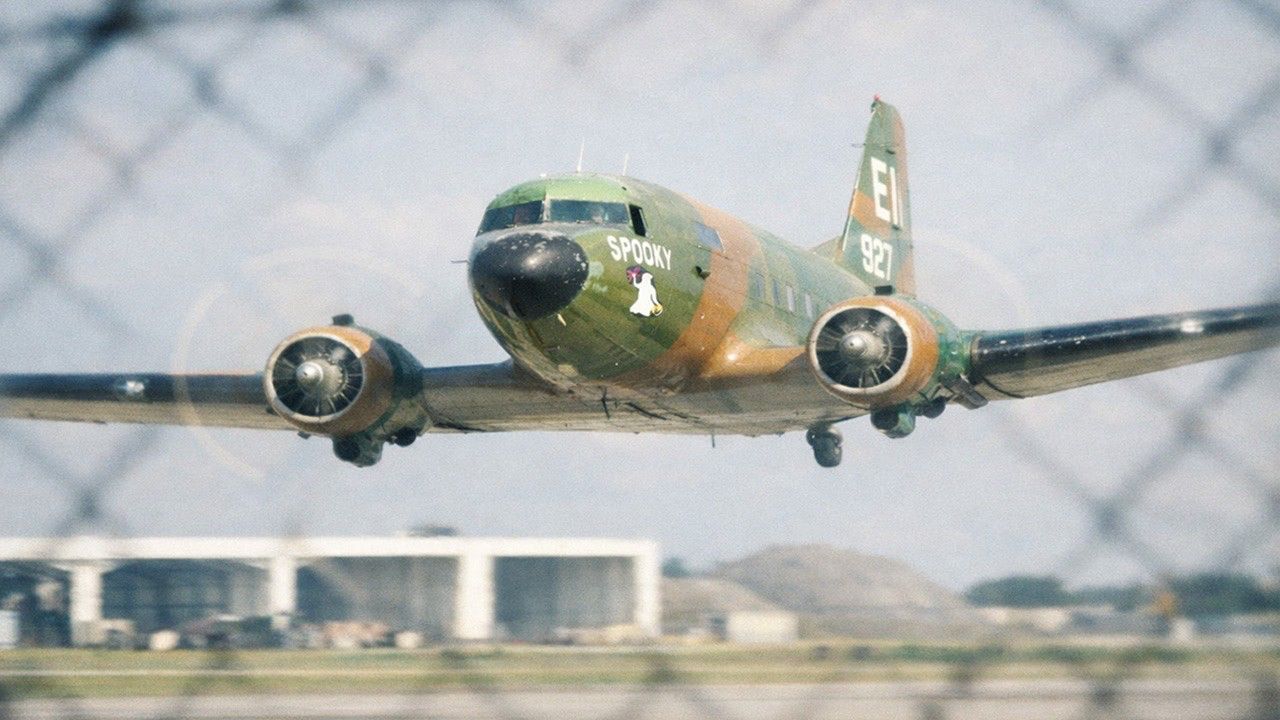
During the Vietnam War, U.S. forces introduced a new kind of air support that looked and operated very differently from traditional fighter aircraft. Nicknamed “Puff, the Magic Dragon,” the gunship became known for its ability to circle above a target and deliver continuous fire with unusual precision.
What made it stand out wasn’t just its firepower, but how visible it was at night. Streams of glowing tracer rounds poured down in steady arcs, creating an almost surreal visual that left a lasting impression on both soldiers on the ground and those who later studied the war.
How the gunship worked
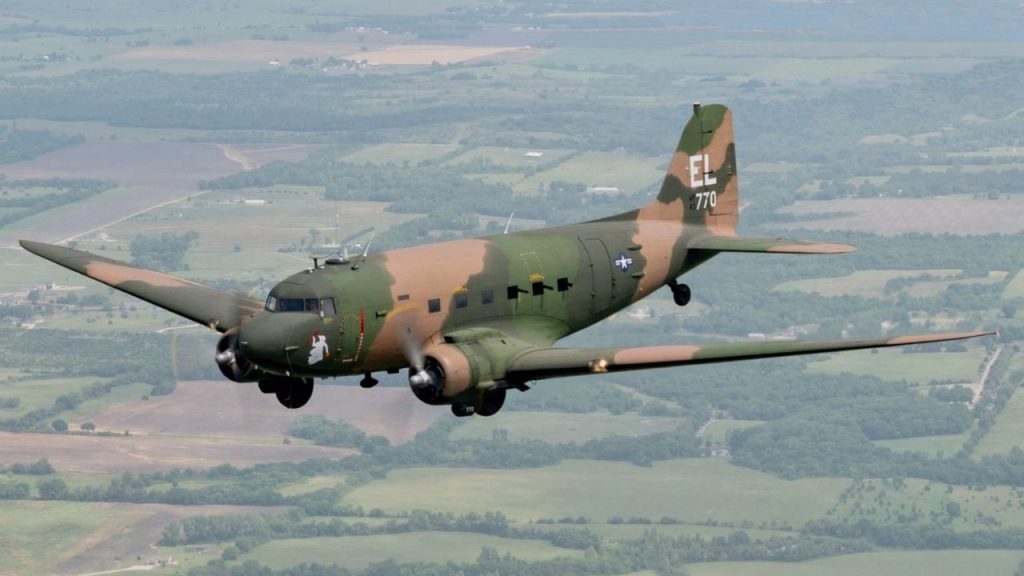
Unlike fast-moving jets that made quick passes, this aircraft relied on a slower, controlled orbit around a target area. By flying in a circle, it could keep its guns trained on a single point for an extended period of time, providing constant support to troops below.
The system allowed for a level of sustained fire that was difficult to match with other aircraft at the time. Instead of brief bursts, the gunship could maintain pressure on enemy positions, which made it especially useful during defensive situations like protecting bases or responding to attacks at night.
The origin of the nickname
The nickname “Puff, the Magic Dragon” came from the way the tracer rounds looked as they streamed from the aircraft. The glowing red lines resembled something almost mythical, especially when seen cutting through the darkness over jungle terrain.
The name also echoed the popular song Puff, the Magic Dragon, which many American troops were familiar with at the time. The combination of that cultural reference and the visual effect made the nickname stick.
Impact on the battlefield
The gunship quickly gained a reputation for being highly effective in certain combat situations. Its ability to provide continuous fire made it particularly valuable when ground forces were under pressure and needed immediate support.
For many units, hearing that a gunship was overhead brought a sense of relief. At the same time, its presence could be overwhelming for opposing forces, as the sustained fire left little room to maneuver once the aircraft had locked onto a target.
Lasting legacy
Even after the Vietnam War, the concept behind “Puff” didn’t disappear. The idea of a circling gunship providing sustained fire support continued to influence later aircraft designs used by the U.S. military.
Today, it remains one of the more recognizable innovations from that era. The combination of its unique firing pattern and its cultural nickname has kept it a memorable part of how the war is remembered and discussed.

Leo’s been tracking game and tuning gear since he could stand upright. He’s sharp, driven, and knows how to keep things running when conditions turn.