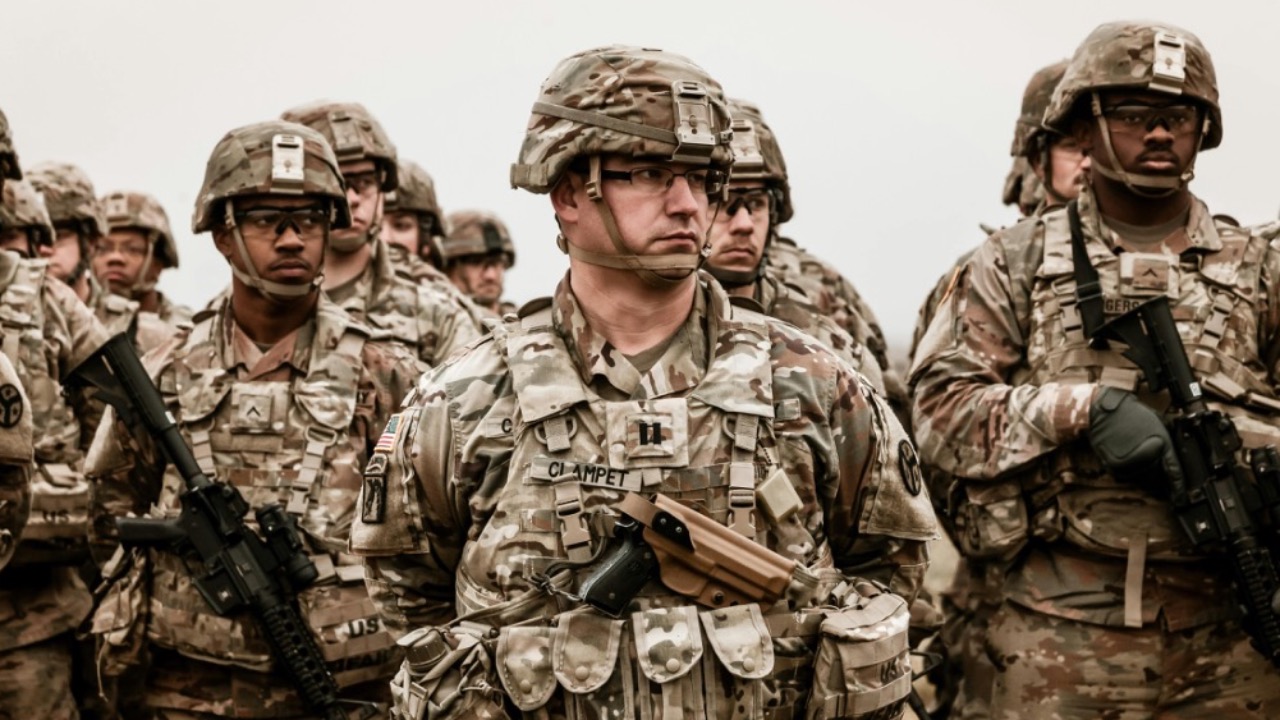
Questions raised over whether US service member deaths in Iran were preventable, as troops and intelligence reports emerge
As the dust settles from the intense fighting that marked the 2026 conflict with Iran, families and military observers continue to grapple with the loss of at least 13 American service members. What began as coordinated strikes in late February quickly drew retaliatory fire, claiming lives in places like Kuwait and over Iraqi airspace. Emerging accounts from those on the ground and internal assessments now point to missed signals that might have altered the outcome for some of those who fell.
Warnings From the Field
Service members stationed in forward positions described repeated concerns about defensive gaps well before Iranian drones and missiles reached their targets. In one case tied to the Port Shuaiba area, troops had flagged vulnerabilities in how temporary command setups were protected against low-flying threats. These observations, shared through official channels, highlighted limitations in radar coverage and response times during high-tempo operations.
Yet follow-through on those points appears uneven at best. Reports indicate that requests for additional assets or adjustments went unaddressed amid the pace of broader campaign planning. This disconnect has left many wondering how much closer attention to those frontline perspectives could have shifted the risks that service members faced in the opening phases.
Intelligence Assessments Ignored
Analysts within the intelligence community had pieced together patterns of Iranian retaliation capabilities, including drone swarm tactics refined through prior regional conflicts. Assessments circulated that stressed the potential for strikes on US-affiliated sites in neighboring countries, particularly where forces operated in support roles rather than hardened combat positions.
Despite this, operational decisions sometimes leaned on assumptions that defenses would hold under pressure. The gap between what intelligence suggested and how resources were allocated has fueled scrutiny. Survivors and reviewing officials now examine whether incorporating those evaluations more fully might have prompted stronger protective measures around key locations.
The Kuwait Strike in Focus
On March 1, an Iranian drone penetrated defenses near Camp Arifjan in Kuwait, hitting a support facility and killing six Army Reserve members from a sustainment unit. The attack caught personnel in a configuration that some later described as exposed to precisely this kind of threat. Families and former colleagues have since learned of prior communications urging better fortification or dispersal of assets.
Investigations continue into the sequence of events, including how air defense systems performed that night. Questions linger about the balance struck between mission speed and force protection standards. For those who lost friends and loved ones in the strike, the sense remains that available information pointed toward greater caution.
Aftermath and Lingering Questions
In the months since the ceasefire took hold, congressional inquiries and internal military reviews have begun surfacing more details from after-action reports. Service members who made it through describe scenes where medical readiness and evacuation plans faced unexpected strains, echoing earlier calls for improved supplies that went partially unanswered.
These accounts add weight to broader discussions about accountability in how risks were weighed during the campaign. While the conflict achieved stated objectives against Iranian capabilities, the human cost continues to prompt reflection on preparation and response. As more information comes forward, it shapes ongoing conversations about lessons that could inform future engagements.

Asher was raised in the woods and on the water, and it shows. He’s logged more hours behind a rifle and under a heavy pack than most men twice his age.