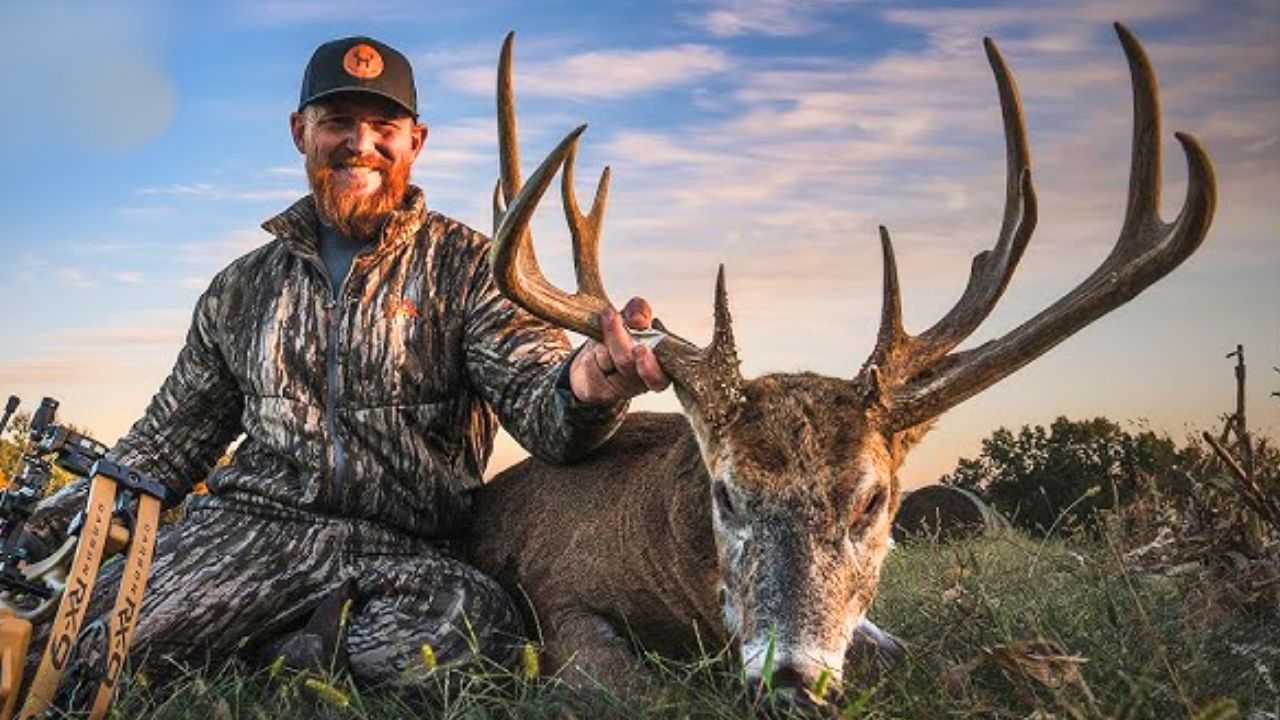
Record Buck Harvest Reported as Early Cold Front Pushes Deer Movement Earlier Than Expected
A reported record buck harvest has sparked attention among hunters after early season movement shifted sooner than many expected. The timing is being linked to an early cold front that moved through several regions, changing deer behavior and increasing daytime activity.
Cold fronts are often tied to higher deer movement because they affect feeding patterns and comfort levels. When temperatures drop quickly, deer tend to move more during daylight hours to feed and adjust, which can increase the chances of encounters in the field. Some hunters say this year’s early weather shift lined up with unusually active buck sightings.
How weather can influence deer movement
Hunters and wildlife researchers have long noted that sudden weather changes can impact deer activity, especially during early and mid-season periods. A sharp drop in temperature can trigger movement as deer look to take advantage of food sources before conditions worsen.
However, experts also point out that weather is just one factor. Food availability, hunting pressure, and breeding cycles all play a role in how and when deer move. Cold fronts may increase visibility, but they don’t guarantee consistent patterns across different regions.
Why early cold snaps matter for hunters
When colder air arrives earlier than usual, it can shift hunter expectations. Many plan peak activity around traditional rut timing, but early weather changes can temporarily boost movement before those peak periods begin.
This can lead to surprise harvests, especially for hunters who are in the field during the first significant temperature drop. It also reinforces the idea that flexible timing can sometimes matter as much as location when it comes to successful hunts.
Record reports and what they really mean
Reports of “record buck harvests” often depend on local tracking systems, harvest logs, or individual hunting records rather than national data. In some cases, early season success stories can spread quickly online and create the impression of widespread record-breaking activity.
Wildlife officials typically analyze harvest trends over full seasons to determine long-term patterns. A strong early cold front may create a spike in activity, but it doesn’t always translate into a record-breaking year overall.
What hunters are watching next
As the season continues, attention will likely shift to whether deer movement stays elevated or returns to more typical patterns. If temperatures stabilize, activity often becomes more predictable again, especially outside of peak breeding periods.
For now, many hunters are watching weather forecasts closely, since another cold front could repeat the same effect. The combination of timing, temperature, and pressure will continue to shape how the rest of the season unfolds.

Leo’s been tracking game and tuning gear since he could stand upright. He’s sharp, driven, and knows how to keep things running when conditions turn.