8 surprising facts about opossums
Opossums rarely make headlines, yet wildlife rehabilitators, researchers, and even Reddit users keep uncovering surprising details about these nocturnal neighbors. From their tick eating habits to their unusual immune systems, the Virginia opossum, Didelphis virginiana, turns out to be one of North American wildlife’s most misunderstood allies. These eight facts highlight how an animal many people dismiss as a backyard nuisance quietly shapes public health, ecosystems, and even scientific research.
1. Lots of teeth and a gripping tail
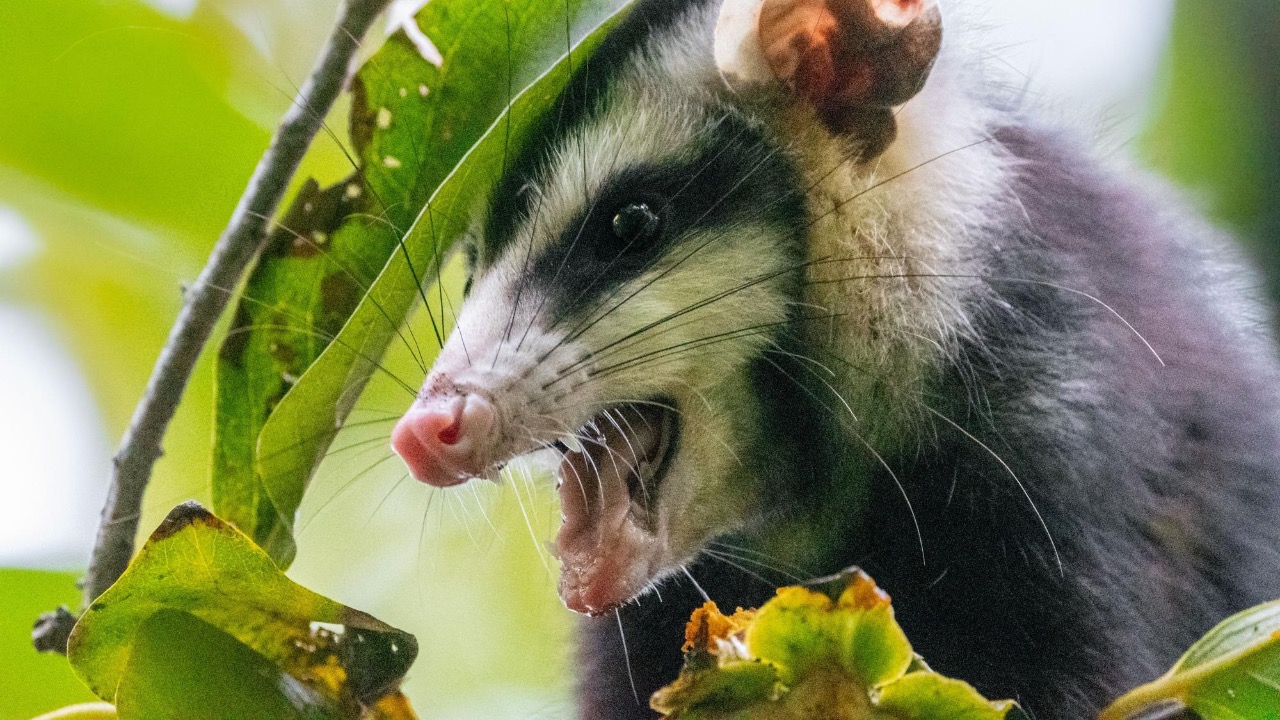
Lots of observers are struck first by the opossum’s mouth. Commenters on a popular discussion of opossum trivia point out that the species has the most teeth of any North American land mammal, a total of 50, which helps it process everything from insects to fallen fruit. In the same thread, fans highlight that opossums also have opposable thumbs on their hind feet and a prehensile tail that can help with balance while climbing.
This combination of extra teeth, grasping toes, and flexible tail allows opossums to exploit urban edges, woodlots, and river corridors that defeat more specialized animals. The more comfortably they move through human dominated spaces, the more consistently they can provide quiet services such as scavenging roadkill and cleaning up spilled pet food. That adaptability is a key reason so many people now share Lots of quirky for them.
2. Playing Possum is an involuntary collapse
Playing Possum is not a conscious acting job. When severely threatened, an opossum may first hiss, bare its teeth, or try to run, but if the danger persists its body can slip into an involuntary catatonic state. As one detailed natural history account explains, the animal may drool, emit a foul odor, and appear dead, which convinces some predators to lose interest and move on to livelier prey.
Because this response is automatic rather than strategic, people sometimes misinterpret a collapsed opossum as beyond help and move it or dispose of it. That misunderstanding has direct welfare consequences for an animal that might otherwise recover and leave on its own. Clearer public education about how and why an opossum might suddenly topple over, including the role of this dramatic reflex, can reduce unnecessary interference and lethal control.
3. Female pouch care starts with a sneeze
Female opossums prepare their pouch in a surprisingly delicate way. Observers describe how a mother will lick the pouch and surrounding fur before birth, sometimes making a soft sneezing sound as she does. Newborns are extremely underdeveloped, each one only slightly larger than a honeybee, and they must crawl unaided into this freshly cleaned pouch to latch onto a teat and continue developing.
This early investment in hygiene and positioning has high stakes because litter sizes are large and survival is low. Reports on the opossum life cycle note that breeding can begin as early as December and continue through October, with infants becoming independent at about three months. That long season and intense maternal effort mean that habitat loss or road mortality affecting adult females can quickly ripple through local populations.
4. What opossums eat is quite varied
What opossums eat is quite literally almost anything they can catch or scavenge. Detailed diet summaries describe them consuming snails, slugs, insects, small vertebrates, carrion, and fallen fruit, which makes them valuable natural cleanup crews around farms and suburbs. One analysis of their feeding habits emphasizes that opossums will eat just about any convenient food source, although they have to feed periodically through the night rather than storing fat for long fasts.
This broad menu has direct implications for pest control and disease risk. By targeting invertebrates that damage gardens and crops, opossums can reduce the need for chemical pesticides. Their willingness to eat carrion also limits the time potentially disease carrying carcasses remain in the environment. A closer look at how they forage shows why ecologists increasingly describe them as underappreciated sanitation workers.
5. Natural tick control in North America
In North America, opossums and possums refer to the same omnivorous marsupial, and its appetite for parasites may be its most surprising trait. Advocates for the species highlight that a single animal can consume up to 5,000 ticks in a season while grooming. That figure reflects the sheer number of parasites that attempt to feed on an opossum and are instead eaten, breaking the life cycle of ticks that might otherwise spread Lyme disease.
For homeowners and land managers worried about tick borne illness, this behavior reframes the opossum as an ally rather than a pest. Allowing brushy corridors and minimizing lethal trapping can support resident animals that quietly reduce tick densities. Public campaigns that stress how North America these devour thousands of ticks are already shifting attitudes in some communities.
6. America’s only marsupial
Here in the United States, the Virginia opossum holds a unique evolutionary title. It is the only marsupial native to the country, carrying its young in a pouch rather than developing them fully in the womb. Conservation groups underline that this distinction makes the species an important ambassador for Understanding how marsupials adapt to temperate climates, since most of their relatives live in Australia or South America.
That status also shapes how scientists use opossums in medical and developmental research. Their combination of short gestation, visible pouch development, and resilience to certain snake venoms has made them a model for studying immune responses and early mammalian growth. By highlighting Where these marsupials and how they reproduce, educators can connect backyard sightings to global questions about evolution.
7. Short lives, heavy workloads
Fast Facts compiled by wildlife educators list the Common Name as Virginia opossum and the Scientific Name as Didelphis virginiana, with an average lifespan in the wild of just 1.5 to two years. Predation, vehicle collisions, and harsh winters all contribute to that brief window. Despite such short lives, opossums may breed multiple times within a season, which helps maintain populations even when local mortality is high.
This compressed timeline means each adult has only a few chances to reproduce and perform ecosystem services like pest control and scavenging. When communities remove opossums out of fear or misunderstanding, they erase an animal that is already racing against time. Recognizing how little time a wild opossum has, and how much it accomplishes, is one reason some advocates urge neighbors to see Didelphis facts as a call for coexistence.
8. Weird and Wonderful Wildlife neighbor
Weird and Wonderful Wildlife profiles describe The Opossum as natural pest control, since Opossums eat snails, slugs, and other insect pests that damage gardens. Their low body temperature and unusual immune system also mean they rarely carry rabies compared with many other mid sized mammals. Combined with their tidy grooming, this makes them safer backyard visitors than their sharp teeth and hissing might suggest at first glance.
For local governments and homeowners, understanding this profile can influence everything from nuisance wildlife policies to landscaping choices. Leaving some leaf litter and brushy cover can support these shy foragers without inviting them into attics or garages. When residents see an opossum as Natural pest control rather than a threat, they are more likely to choose coexistence strategies that benefit both human health and urban biodiversity.

Asher was raised in the woods and on the water, and it shows. He’s logged more hours behind a rifle and under a heavy pack than most men twice his age.