
Rifles That Don’t Reward Good Shooting Fundamentals
Good shooting fundamentals should matter. A steady position, clean trigger press, proper follow-through—those habits are supposed to shrink groups and build confidence. But some rifles don’t play fair. You do everything right, yet the results on target refuse to reflect the work you put in. These rifles blur the line between shooter error and mechanical limitation, often leaving you chasing problems that aren’t yours to fix.
The frustration comes from inconsistency. One group looks promising, the next falls apart with no clear explanation. You know your fundamentals are solid, but the rifle doesn’t respond the way it should. These are the rifles that make disciplined shooters question themselves instead of rewarding good habits.
Ruger Mini-14 (Early Barrel Profiles)
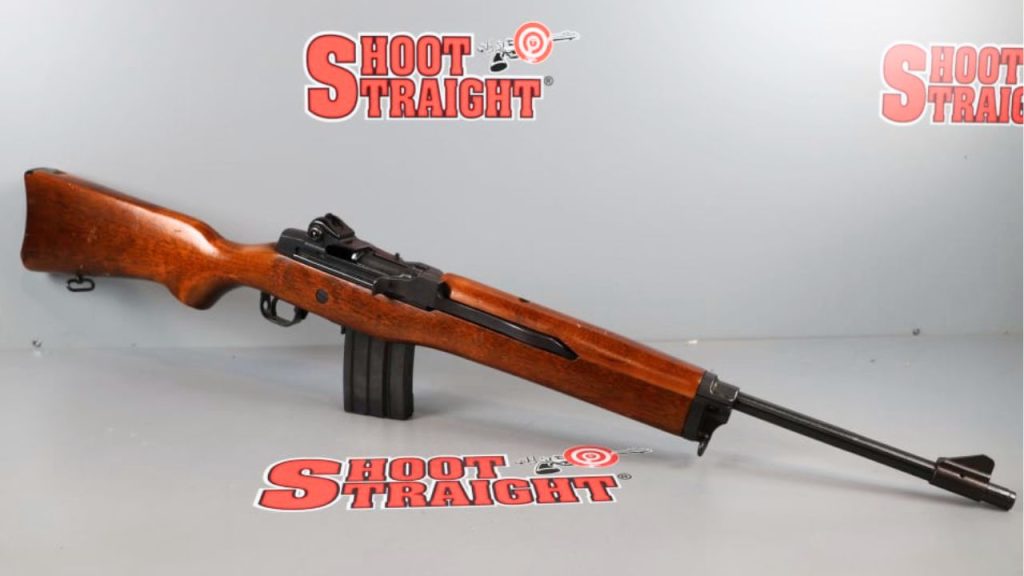
Early Mini-14s handle well and cycle reliably, but accuracy rarely improves with better fundamentals. The thin barrel heats quickly, and once it does, harmonics change enough to scatter shots. Your first cold-bore shot may land perfectly, but careful follow-ups don’t tighten the group.
You can slow your cadence, control breathing, and break the trigger clean, yet the rifle keeps spreading impacts. The limitation isn’t your technique—it’s the barrel design. The rifle simply doesn’t translate disciplined shooting into consistent results.
Remington 742 Woodsmaster
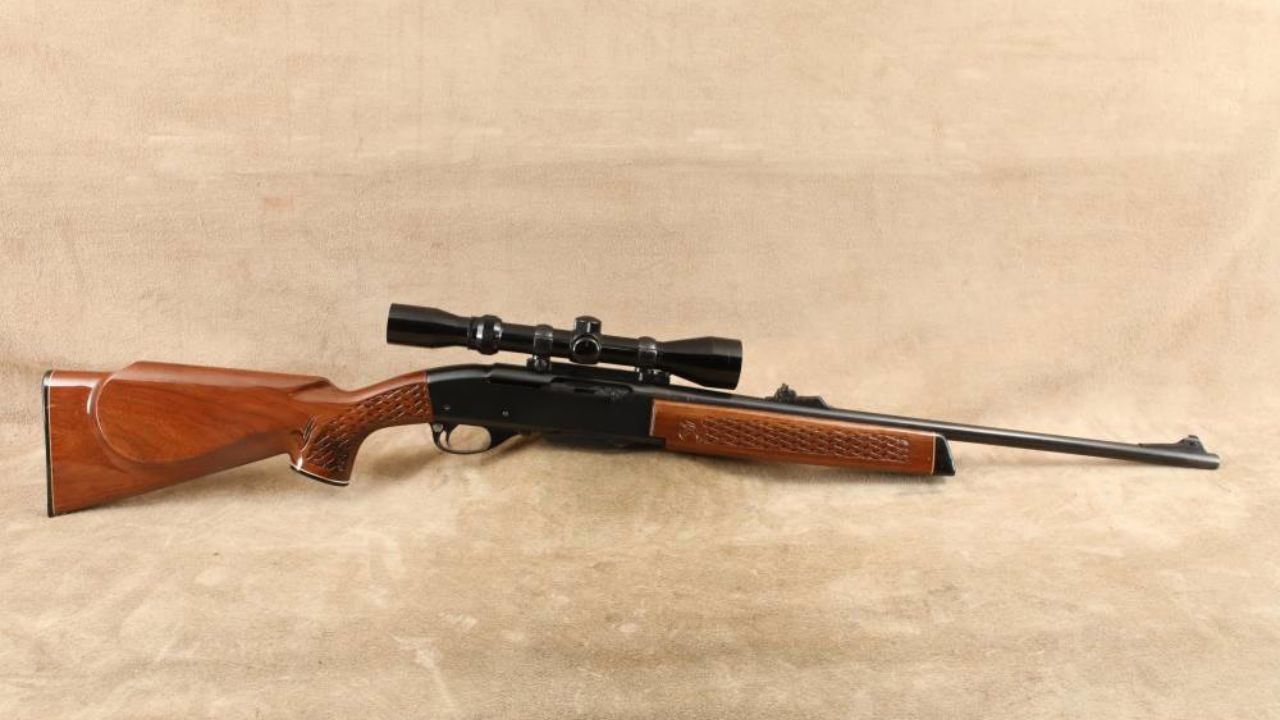
The 742 often shoots well enough to earn loyalty early on, but fundamentals stop mattering as wear accumulates. The action rails wear unevenly, affecting bolt lockup and consistency. Even with excellent form, the rifle doesn’t return to the same mechanical position every shot.
That inconsistency shows up as random fliers that no amount of concentration can prevent. You may shoot better than ever and still watch groups open. The rifle masks good fundamentals behind internal wear that the shooter can’t compensate for.
Savage Axis (Factory Stock)
The Axis action is capable, but the factory stock prevents fundamentals from shining. The fore-end flexes under sling tension or shooting sticks, altering barrel contact without warning. That movement changes point of impact regardless of how steady you are.
You can execute perfect trigger control and still miss because the platform itself shifts. Unless the stock is replaced or reinforced, good fundamentals don’t consistently translate to better accuracy. The rifle limits what the shooter can achieve.
Winchester Model 94 (Worn Examples)
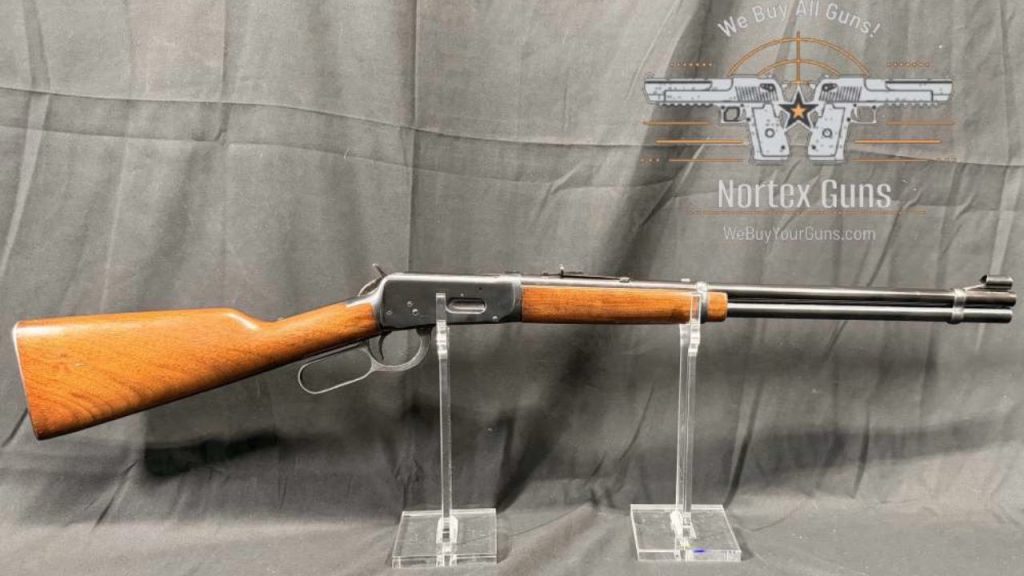
Older Model 94s demand good fundamentals, but they don’t always reward them. Years of use loosen internal tolerances and sight mounts. Even careful sight alignment and trigger control can’t overcome mechanical play.
You may hold perfectly and still see bullets land unpredictably. At that point, fundamentals stop mattering because the rifle itself won’t behave the same way twice. The issue isn’t the shooter—it’s accumulated wear that no technique corrects.
Mossberg 4×4
The Mossberg 4×4 often shoots inconsistently once conditions change. Bedding issues and stock fitment problems cause shifts that override good fundamentals. You can maintain a solid position and still see vertical or horizontal stringing.
The rifle doesn’t always settle into repeatable behavior. That makes it hard to learn from your shots because results don’t match effort. When a rifle won’t respond to disciplined shooting, confidence erodes quickly.
Remington Model 710
The Model 710 rarely rewards improved fundamentals because of its construction. The pressed-in barrel and plastic components limit long-term consistency. As wear develops, lockup suffers, and accuracy degrades unevenly.
You can refine your shooting habits endlessly and still see no improvement on target. At some point, the rifle reaches a ceiling that skill can’t break through. Misses feel personal, but they aren’t earned.
Browning BAR (Older Models)

Older BAR rifles smooth out recoil well, but that same gas system introduces inconsistency. Variations in cycling change how the rifle settles between shots. Even with perfect fundamentals, each shot behaves slightly differently.
That inconsistency masks shooter input. You may feel solid behind the rifle and still see unpredictable results. Fundamentals matter less when the rifle’s internal behavior changes shot to shot.
Marlin X7
The X7 often shoots well early, then stops responding to careful shooting as the barrel ages. Throat erosion alters bullet jump, and accuracy fades unevenly. Some shots cluster, others wander.
You can’t shoot around that inconsistency. Your fundamentals remain sound, but the rifle no longer reacts predictably. The disconnect makes it hard to diagnose misses, especially when occasional good groups keep giving false hope.
Thompson/Center Venture (Early Production)
Some early Venture rifles suffer from inconsistent rifling. At first, fundamentals seem to pay off, but over time unexplained fliers appear. Careful shooting no longer tightens groups.
You can do everything right and still miss because the barrel isn’t stabilizing bullets consistently. No amount of technique corrects a barrel that won’t repeat its performance.
Ruger American (Early Synthetic Stocks)
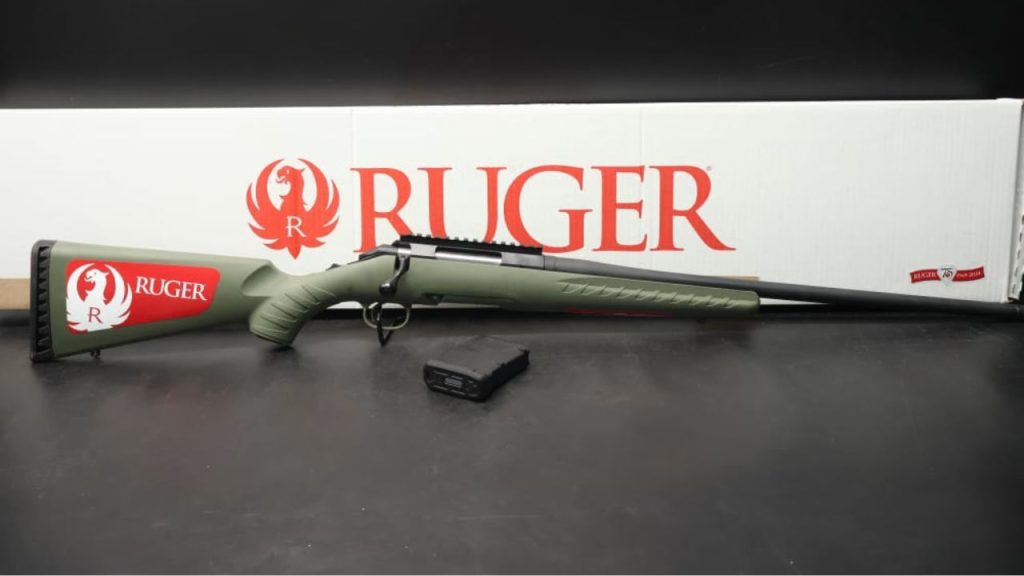
Early Ruger American stocks flex more than expected. Changes in position, sling pressure, or support alter barrel alignment. That movement overrides good fundamentals.
You may shoot well prone and poorly sitting, even with the same technique. The rifle reacts to external pressure more than shooter input. Until the stock is addressed, fundamentals only go so far.
CVA Hunter (Heavy Calibers)
In heavier calibers, repeated recoil can loosen the break-action lockup. That slight movement affects barrel alignment shot to shot. Fundamentals don’t compensate for mechanical play.
You may hold steady and press cleanly, yet impacts drift. Once looseness develops, accuracy fades regardless of shooter skill. The rifle stops rewarding discipline.
Weatherby Vanguard (Stock Contact Issues)
Some Vanguard rifles develop uneven barrel contact as conditions change. Temperature and humidity cause subtle stock movement that alters harmonics. You may shoot perfectly one day and poorly the next.
Your fundamentals stay consistent, but the rifle doesn’t. Until the stock is corrected, accuracy fluctuates for reasons no shooter can control. The rifle limits how much your skill can matter.

Leo’s been tracking game and tuning gear since he could stand upright. He’s sharp, driven, and knows how to keep things running when conditions turn.


