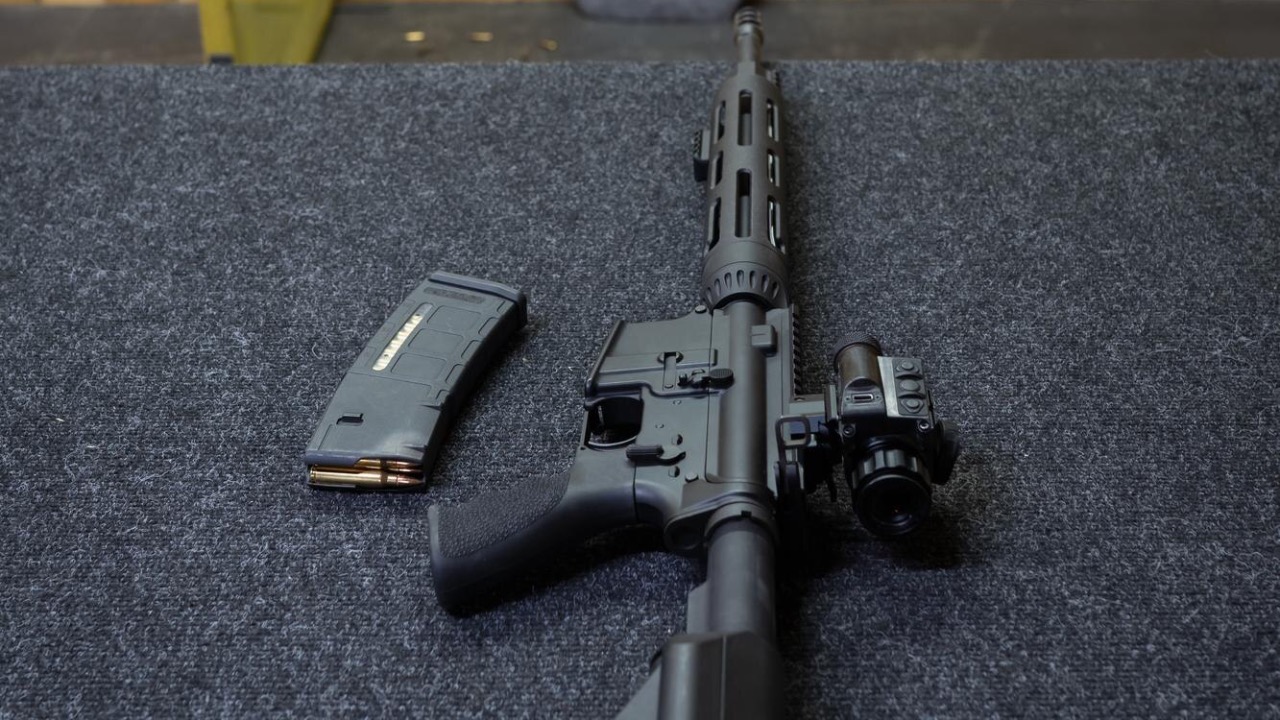
Rifles trusted for home defense
Rifles have become a central part of the modern home-defense conversation, sitting alongside handguns and shotguns as tools people rely on when seconds matter. Compared with pistols, a shoulder-fired rifle can offer better control, more precise shot placement, and the ability to mount lights and optics that make the difference in low light. The challenge is separating internet myth from practical reality so that a homeowner chooses a rifle that is safe, effective, and suited to the layout of an actual house rather than a theoretical battlefield.
To understand which rifles are genuinely trusted for protecting a home, I look at how trainers, reviewers, and everyday gun owners weigh reliability, ergonomics, ammunition, and safe storage. Their experiences, from formal range instruction to candid forum debates, show that the best choice is rarely the most exotic rifle on the rack. Instead, it is the platform that balances controllable power with responsible use inside walls that may hide family members, neighbors, or first responders.
What makes a rifle viable for home defense
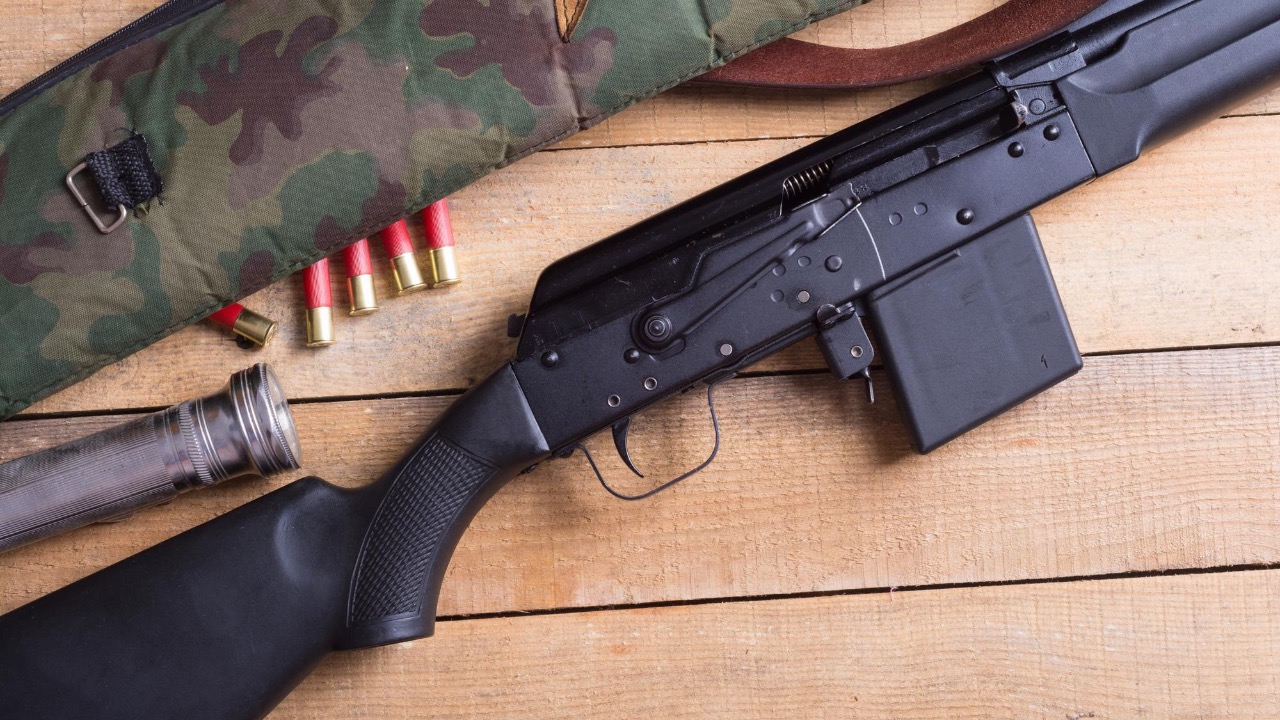
When I evaluate a rifle for defensive use inside a house or apartment, I start with controllability and reliability rather than raw power. A carbine that fits the shooter, cycles consistently, and allows fast follow-up shots is more valuable than a heavy, hard-kicking gun that looks impressive but is difficult to run under stress. Trainers who walk students through the Best Guns For emphasize that there is a lot that can go wrong in a real incident, so having a platform with a proven track record and a solid warranty to fall back on is not a luxury, it is a baseline requirement.
Equally important are factors like length, weight, and how easily the rifle can be maneuvered through doorways and around furniture. A compact carbine with a light and a red dot sight is far easier to stage and deploy than a long, heavy rifle that catches on door frames. Instructors also stress that local safe storage laws and practical security, such as quick-access safes, must be part of the decision, which is why guides that discuss home-defense guns often point readers toward dedicated Best Safes alongside firearm recommendations.
How real owners argue about “the best rifle”
Beyond formal reviews, the way everyday gun owners talk about home-defense rifles reveals how much of this debate is cultural as well as technical. In one widely shared thread on a firearms forum, a user posting as RegionRatHoosier floated the question of the best rifle for home defense, only to be met with a joking reply that the answer was a punt gun, followed by another user chiming in with a deadpan “Nah, a punt gun” and a third adding “Absolutely. If you can’t shoot through 17 walls, what’s the point?” The sarcasm is obvious, but it underscores a serious concern: overpenetration and the risk of rounds traveling through multiple interior walls.
As the same discussion unfolded, more sober voices pushed back against the idea that more power is always better, pointing out that a rifle chosen for home defense has to be matched to the construction of the dwelling and the presence of other people. The thread illustrates how online communities can swing between dark humor and practical advice, yet still converge on the idea that a purpose-built carbine, loaded with appropriate ammunition and backed by training, is preferable to an oversized or novelty firearm that might be impressive at the range but dangerous in a hallway.
Why AR-pattern carbines dominate the conversation
In practice, the rifle that dominates modern home-defense talk is the AR-pattern carbine, particularly in 5.56 NATO. Owners in one liberal-leaning gun forum described the AR-15 in 5.56 NATO as their default recommendation for a self-defense rifle or carbine, citing the balance of recoil, capacity, and parts support. One commenter acknowledged that the Only problem is the cost, while another simply replied “Buy this” and linked to a specific carbine, underscoring how strongly some shooters feel about the platform.
Professional trainers echo that preference, describing why the AR-15 is a versatile, reliable, and highly effective firearm that is well suited for actions inside the home. One training organization explains that The AR offers low recoil, modular ergonomics, and the ability to mount lights and optics that help identify threats before pressing the trigger. That combination of controllability and customization is why so many homeowners, from first-time buyers to experienced shooters, gravitate toward AR-pattern rifles when they are choosing a long gun to protect their families.
Specific AR-15 models trusted for home defense
Once someone decides on an AR-15, the next question is which specific rifle to trust. Hands-on reviewers who have run large numbers of carbines tend to highlight a few standouts, such as the Daniel Defense DDM4 V7 as an Editor choice, praised for its build quality and reliability. Budget-conscious buyers are often steered toward the Palmetto State Armory PA-15 as a best entry-level AR-15, while midrange options like the Springfield Armory Saint Victor and the Smith & Wesson M&P15 Sport II fill out a THE QUICK LIST that covers multiple budgets.
For homeowners in restrictive jurisdictions, pinned or feature-limited rifles like the Springfield Armory Saint Victor pinned model or the Ruger AR-556 MPR are often recommended as compliant yet capable choices. Reviewers emphasize that even at lower price points, buyers should look for properly staked gas keys, quality barrels, and reliable magazines, since a defensive rifle must function when it is needed most. By focusing on vetted models that have survived thousands of rounds in testing, rather than chasing the cheapest build, a homeowner increases the odds that their rifle will work when a bump in the night turns into a real threat.
Other rifle platforms that earn trust
Although AR-15s dominate the market, they are not the only rifles that experienced shooters trust for home defense. Curated lists of Best Home Defense often include pistol caliber carbines, AK-pattern rifles, and compact bolt actions, each with its own strengths. The authors of those lists make a point of noting that all of their suggestions are actual rifles that have been tested, not theoretical builds, and that each one must balance reliability, handling, and appropriate chambering for indoor use.
For example, a 9 mm pistol caliber carbine can share magazines with a duty handgun, simplifying logistics, while a 7.62×39 AK-pattern rifle offers robust construction and reliable function in adverse conditions. Some homeowners even choose lever-action rifles in intermediate calibers for their blend of compact size and traditional appearance, which can matter in jurisdictions or households where a modern sporting rifle is politically or socially contentious. The common thread is that the rifle must be controllable, support a white light, and be fed with ammunition chosen for its performance in close quarters rather than for long-range ballistics.
Pistol caliber carbines as a home-defense compromise
One of the most interesting trends in recent years is the rise of pistol caliber carbines as a preferred option for people who want a long gun but are wary of rifle-caliber overpenetration. Advocates point out that these carbines, often chambered in 9 mm, are easier to shoot accurately than handguns while producing less blast and recoil than 5.56 rifles. A detailed guide invites readers to Discover why pistol caliber carbines are becoming the preferred home defense option, and to Learn PCC benefits, comparisons, and safe storage solutions.
From a practical standpoint, a 9 mm carbine with a 16 inch barrel and a red dot sight can deliver fast, accurate hits with minimal training, especially for smaller or recoil-sensitive shooters. The ability to use the same ammunition and sometimes the same magazines as a primary handgun simplifies stocking and reduces the chance of loading the wrong rounds under stress. For households where multiple adults may need to use the rifle, the forgiving handling characteristics of a pistol caliber carbine can be a decisive advantage, provided that the ammunition is chosen with the same care as it would be for a handgun.
Ammunition, overpenetration, and interior walls
No rifle is truly suited to home defense unless its ammunition is selected with interior walls and bystanders in mind. Detailed guidance on defensive firearms stresses that Ammunition Choosing the right ammunition is another crucial factor in determining the effectiveness of a home defense gun, and that when selecting rounds, shooters need to consider both stopping power and penetration. In practice, that means favoring purpose-built defensive loads that expand or fragment in soft tissue rather than full metal jacket rounds designed for training or military use.
For AR-15 carbines, one technical guide on whether the AR-15 carbine offers better home defense devotes an entire section to What type of ammo should be used in a home defense situation. The authors recommend ammunition designed to reduce the risk of overpenetration while still providing reliable terminal performance, such as bonded soft points or fragmenting hollow points. Similarly, a regional overview of top firearms for home defense notes that Additionally, selecting ammunition designed to reduce over-penetration is key to ensuring the safety of others in the household, and that this choice is as important as the firearm itself.
Training, handling, and safe storage responsibilities
Even the most carefully chosen rifle can become a liability without training and secure storage. Instructors who compile lists of the best home-defense guns repeatedly remind readers to take a hard look at local safe storage laws and to invest in dedicated storage solutions that keep unauthorized hands away from loaded firearms. The same sources that walk through rifle choices often point readers toward quick-access safes and lockable furniture, reinforcing that a defensive rifle must be both ready and responsibly secured when not in use.
On the training side, carbine classes that focus on home-defense scenarios emphasize fundamentals like target identification, use of white light, and movement through structures. Students are taught to understand their backstops, to avoid shooting through doors or walls without a clear target, and to coordinate with family members on safe rooms and communication. By pairing a vetted rifle platform with realistic practice and a storage plan that complies with local law, a homeowner can turn a piece of hardware into a coherent defensive strategy rather than a talisman that offers false comfort.
Balancing cost, complexity, and real-world needs
Cost and complexity are the final filters that determine which rifles people actually buy and keep by the bed. Forum users who recommend an AR-15 in 5.56 NATO for self-defense are quick to acknowledge that price can be a barrier, which is why they highlight reliable but affordable carbines and warn against cutting corners on critical components. The same discussions show that some shooters prefer simpler platforms, such as pistol caliber carbines or even lever actions, because they are easier to maintain and less intimidating for family members who did not grow up around modern sporting rifles.
In the end, the rifles most trusted for home defense are not defined by brand prestige or internet hype, but by how well they fit the realities of a specific household. A compact AR-15 with a white light and quality defensive ammunition, a 9 mm carbine that shares magazines with a duty pistol, or a rugged intermediate-caliber rifle chosen from a vetted list of home-defense options can all be sound choices. What matters is that the owner understands the capabilities and limits of the platform, trains accordingly, and treats safe storage and ammunition selection as integral parts of the decision rather than afterthoughts.

Leo’s been tracking game and tuning gear since he could stand upright. He’s sharp, driven, and knows how to keep things running when conditions turn.