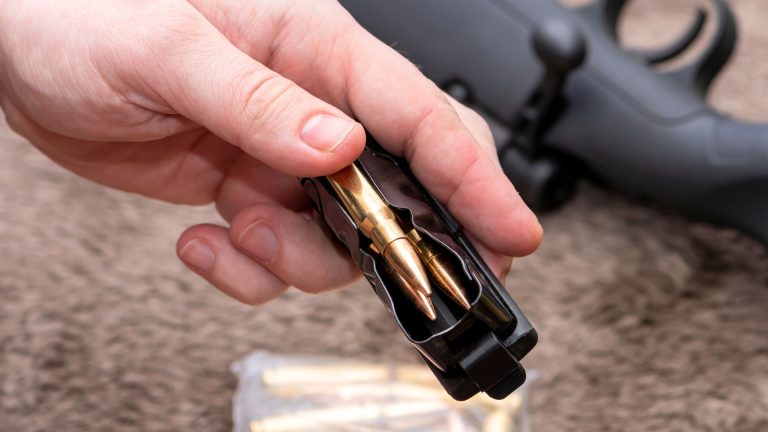
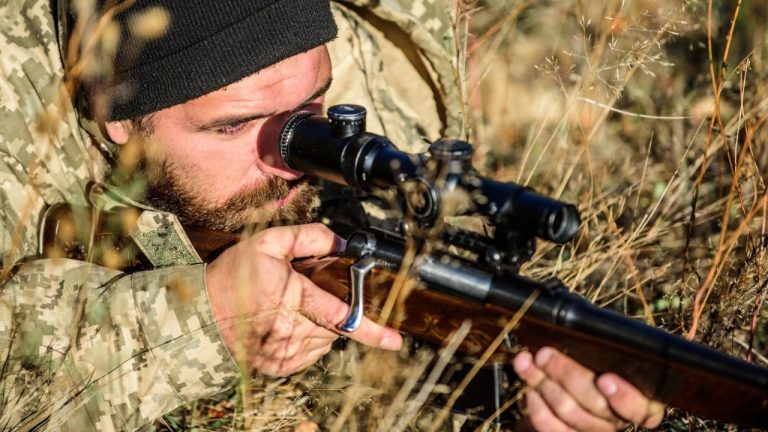
Bear rifles designed for deep, dependable penetration
Stopping a big bear cleanly is one of the toughest ballistic problems in hunting. The right rifle has to drive a tough bullet straight through dense muscle, heavy bone, and thick fur, often at bad angles and under intense pressure. Deep, dependable penetration is not a luxury in that moment, it is the entire point of the rifle and cartridge combination.
To understand what makes a bear rifle truly reliable, I look at how guides and experienced hunters match cartridge, bullet construction, and rifle design to the realities of close encounters with large predators. Their choices, from classic medium bores to modern magnums, reveal a consistent pattern: penetration, not raw energy figures, is what decides whether a shot ends a charge or merely angers a bear.
Penetration, not paper energy, is what stops big bears
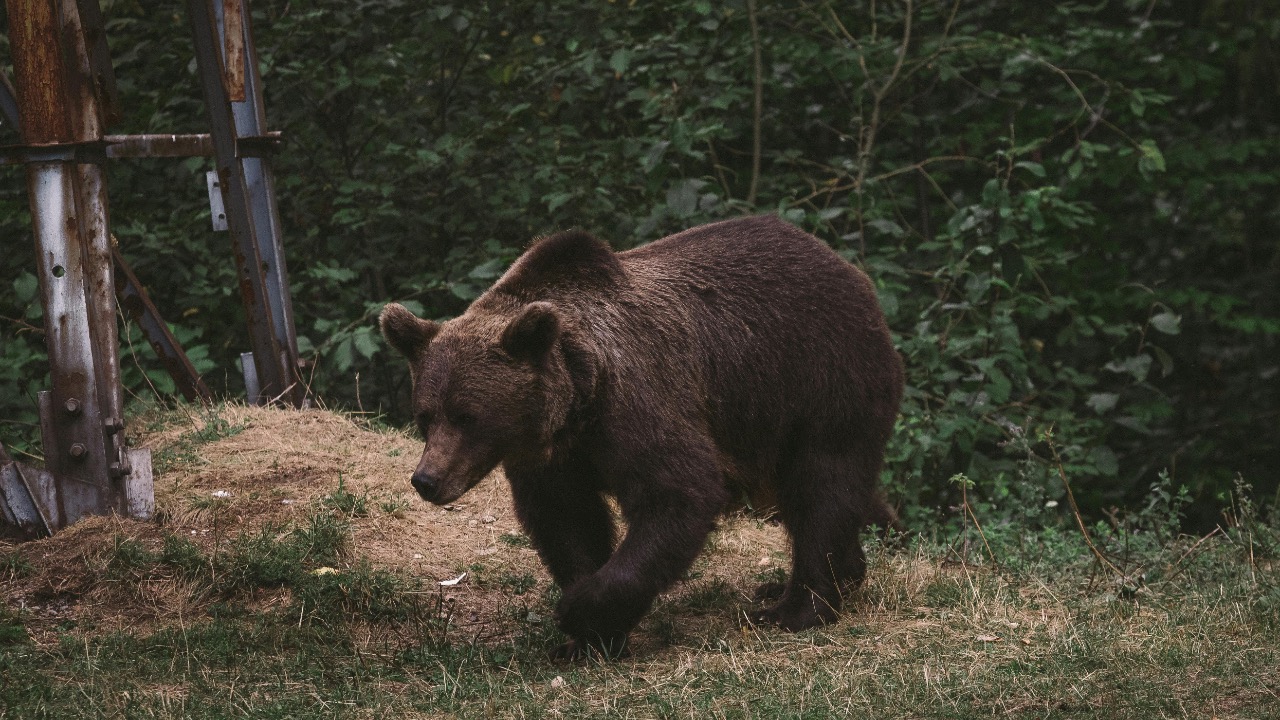
On a ballistics chart, many cartridges look powerful enough for any game, but big bears expose the difference between theoretical energy and real penetration. A large brown bear can weigh as much as a compact car, with a deep chest, heavy shoulders, and a skull that can deflect poorly constructed bullets. Hunters who spend time in big bear country consistently favor cartridges that push heavy bullets at moderate to high velocity, because those loads keep driving after they hit bone instead of fragmenting on impact.
That is why seasoned hunters gravitate toward cartridges like the 338 class and other medium and big bores that maintain momentum through dense tissue. In practical terms, the goal is a bullet that can reach the vitals from less than ideal angles, such as a quartering-to shot on a moving animal. Guides who have watched bears soak up marginal hits repeatedly emphasize that penetration and straight-line tracking through the body matter more than impressive muzzle energy printed on a box.
How experienced hunters actually choose bear rifles
When I talk to hunters who travel specifically for brown bear and grizzly, their rifle choices tend to be conservative rather than trendy. They prioritize reliability, familiarity, and cartridges they can shoot accurately under stress. In camps where a couple dozen hopeful hunters gather, the racks usually show a cluster of proven medium magnums, a few big bores, and the occasional classic standard cartridge that the owner shoots exceptionally well.
In one such big bear camp, rifles chambered in 300 magnums and similar rounds dominated the lineup, with hunters tailoring loads to maximize penetration. Using handloaded 220-grain bullets, one hunter, Robert Rush, took a brown bear with his . 300 RUM, a combination chosen specifically for its ability to drive long, heavy projectiles deep into the animal. That pattern repeats across camps: people who have seen bears up close tend to choose cartridges and bullets that they know will hold together and keep going.
Balancing recoil, control, and stopping power
Raw power is useless if the shooter cannot control it. A rifle that produces punishing recoil can lead to flinching, slow follow-up shots, and poor accuracy, all of which are dangerous liabilities when a bear is closing the distance. I look for a balance where the cartridge delivers enough penetration and tissue damage, but the rifle’s weight, stock design, and recoil pad keep the shooter in control for fast second and third shots.
Moderate magnums and strong standard cartridges often hit that sweet spot. Guidance on bear rifles highlights midrange chamberings that offer a balance of manageable recoil and adequate stopping power at typical black bear hunting distances, especially When hunters are targeting broadside lung shots rather than emergency defense. For larger brown bears, many shooters step up in caliber but still avoid extremes they cannot practice with regularly, because consistent, accurate hits with a slightly smaller cartridge are far more lethal than erratic shots from a monster magnum.
Rifle platforms built for close, dangerous work
In thick cover or on a salmon river, the rifle itself matters as much as the cartridge. A bear rifle must come to the shoulder quickly, cycle reliably, and point naturally when there is no time to think. Short, rugged bolt actions and controlled-feed designs dominate among guides who carry a rifle every day in bear country, because they trust those actions to feed heavy bullets smoothly even when the rifle is dirty or wet.
Specialized dangerous-game models, such as the Ruger Hawkeye Alaskan in . 375 Ruger, illustrate what that design philosophy looks like in steel and walnut. The Alaskan has a short, handy barrel, a strong controlled-round-feed action from Ruger, and iron sights that remain usable if a scope is damaged, all features that matter when a bear is closing the distance. In backcountry defense roles, those quick-handling characteristics can be more important than a few extra feet per second of velocity.
Proven bear calibers from .30-06 to .338 and beyond
Many hunters start their bear journey with familiar all-around cartridges, then move up as they gain experience with larger animals. The .30-06 Springfield is a classic example, long regarded as a versatile big game round that can be loaded with heavy bullets for penetration. Modern load data shows that with contemporary powders, the .30-06 can push tough bullets fast enough to rival older magnums, which is why it still appears in many guides’ recommended lists for black bears and even some interior grizzlies.
Contemporary overviews of Best Rifle Calibers for bear hunting highlight the .30-06 Springfield as a baseline, then step up to medium magnums for larger bears. In that same family, the . 338 Winchester Magnum is frequently singled out as a near-ideal brown bear cartridge, combining a relatively flat trajectory with heavy bullets that penetrate deeply. Guides who Explore these options often describe the . 338 as a step up from Springfield-level cartridges, offering better performance in more open terrain where longer shots on big bears are possible.
Terrain, distance, and the realities of bear encounters
Where and how you hunt bears should shape your rifle choice. In coastal Alaska or dense spruce forests, most encounters happen at short range, sometimes inside bowhunting distances. A rifle that is perfect for a 300 yard shot across a tundra valley may be awkward and slow in alders or on a riverbank, where a bear can appear at close range with little warning. Shorter barrels, low-power optics, and fast-handling stocks become critical in those environments.
Hunters who live in Alaska often say that bear country begins when you walk out your front door, and that reality shapes their gear. In thick brush, some guides favor big-bore lever guns or compact bolt actions in cartridges like the 444 M class or . 45-70, which trade long-range reach for fast handling and heavy bullets. A hunter who used a 444 M Marlin for elk in Colorado’s thick oak brush noted that the same qualities that work in close cover on elk translate well to brown bear opportunities in similar terrain, where shots are fast and angles are tight.
Defense versus hunting: different missions, different setups
A rifle carried for planned bear hunts is not always the same tool you want for last-ditch defense. On a guided brown bear hunt, the shooter can choose a heavier rifle with a magnified optic, knowing that most shots will be deliberate and supported. In contrast, a fisherman or hiker who needs a defensive long gun may prioritize compact size, fast sights, and the ability to fire from awkward positions. The mission dictates the platform, even if the cartridge overlaps.
Some experienced hunters who have killed many bears point out that compact carbines and even large handguns can work as short-range finishing tools, but they caution that Most of those guns are not ideal primary choices for big coastal brown bears. For true defense against a charge, guidance on close-range encounters underlines that we are often talking about less than 50 yards and sometimes just a matter of feet, where the ability to mount the weapon quickly and cycle it under stress is as important as caliber. In that context, rifles in magnum calibers or heavy shotguns with slugs both have roles, but the shooter’s familiarity and training often decide which is truly safer.
Bullet construction: why “tough” matters more than “big”
Penetration on big bears is not only about caliber, it is about how the bullet is built. A light, rapidly expanding projectile that works beautifully on deer can fail catastrophically on a bear’s shoulder, shedding weight and stopping short of the vitals. For that reason, I focus on controlled expansion or solid bullets with high sectional density, designed to hold together after striking heavy bone and thick muscle.
Handgun guidance for bear country stresses that heavy-for-caliber cast projectiles with the right section density and construction are the most common choice, precisely because they are engineered to penetrate deep. The same logic applies to rifle bullets. As one detailed analysis of bullet performance notes, Bullet weight by itself does not guarantee deep penetration and more significant tissue damage; instead, a balanced combination of weight, sectional density, and a heavy shank is the ticket for reliable performance. That perspective, highlighted in discussions of Bullet design, is why many bear hunters choose premium controlled-expansion bullets even when they cost more per shot.
Magnum extremes and the upper end of bear rifles
At the top of the bear rifle spectrum sit the true dangerous-game magnums, cartridges originally designed for African heavyweights but now used by some hunters for the largest brown and polar bears. These rounds deliver enormous energy and recoil, and they demand disciplined practice. When used well, they can drive very heavy bullets straight through a bear from almost any angle, but they are unforgiving of poor shooting technique.
Guides who specialize in the biggest bears often recommend cartridges in the . 375 and . 416 classes, with some specifying that a 416 Remington Mag with a recoil reducer and a 300 grain minimum bullet is a solid choice. At the far extreme, cartridges like the .460 Weatherby Magnum are built around Expanding bullets of the controlled expansion variety, with guidance that Rapidly expanding designs should be avoided in favor of options like the A-Square Dead Tough. Those recommendations underline the same theme that runs through more moderate choices: even in the biggest magnums, bullet construction and penetration are more important than raw velocity.
Practical setup: sights, optics, and field handling
Once the cartridge and rifle are chosen, the way the gun is set up can either support or undermine deep, dependable penetration. A poorly mounted scope that shifts under recoil, or an optic with too much magnification for close work, can cause missed shots or bad hits. I favor low-power variables or rugged fixed scopes with generous eye relief, paired with backup iron sights whenever possible, so the rifle remains usable if glass is damaged in the field.
Experienced Alaskan hunters emphasize that given bears’ forest-dwelling proclivity, many encounters with black bears in thick forests happen at short range, where a low-power optic or even irons are faster than high magnification. That perspective is echoed in discussions of rifles that are truly loaded for bear, where quick target acquisition and reliable sighting systems are treated as non-negotiable. In practice, that means mounting scopes low over the bore, choosing durable rings and bases, and confirming zero regularly, especially after travel or hard use.
Why fundamentals still matter more than hardware
Even the best bear rifle is only as effective as the person behind it. Deep penetration depends on placing a tough bullet into the right part of the animal, which requires calm decision-making, knowledge of bear anatomy, and honest assessment of one’s own limits. I have seen hunters pass on marginal shots because they were not confident in the angle or distance, a discipline that likely prevented wounded bears and dangerous follow-ups.

Leo’s been tracking game and tuning gear since he could stand upright. He’s sharp, driven, and knows how to keep things running when conditions turn.