Rods that fatigue anglers faster than fish
Every angler learns sooner or later that fatigue doesn’t come from fighting fish alone. It comes from holding the wrong rod all day. Weight, balance, grip shape, and blank material matter more than most folks admit, especially when you’re casting, jigging, or trolling for hours. Some rods are built to survive abuse, not to save your wrists or shoulders.
You can still catch fish with these sticks, but they wear you down in quiet ways. By mid-afternoon, your casts shorten, hooksets soften, and focus slips. These are rods that technically work, yet leave you more tired than the fish you’re chasing.
Ugly Stik Bigwater Casting Rod
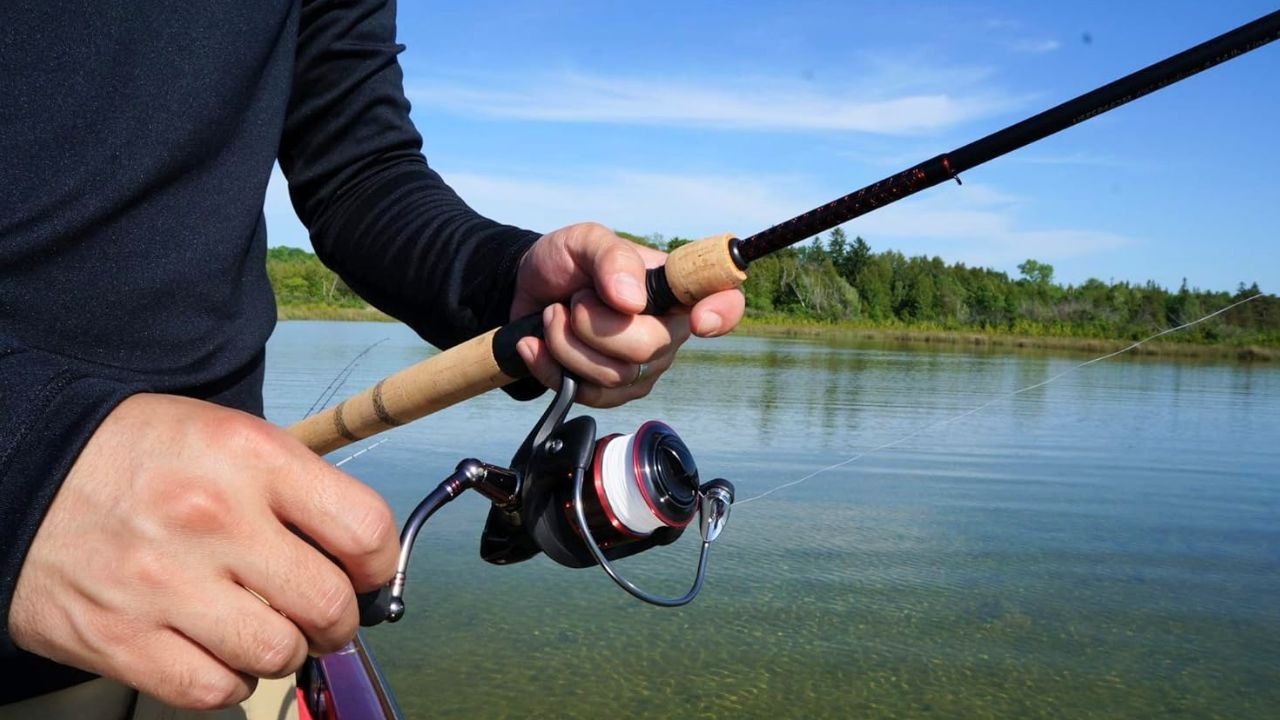
The Ugly Stik Bigwater earns praise for durability, but that strength comes with weight. The fiberglass-heavy blank feels tip-heavy once you start throwing spoons or plugs for any length of time. Early on, it doesn’t seem like much. After a few hours, your forearm tells a different story.
The balance point sits forward, forcing you to constantly support the rod instead of letting it rest naturally in your hand. Add a larger conventional reel and fatigue sets in fast. It’s dependable for short sessions or bait fishing, but long casting days turn into a grind before the bite ever heats up.
Shimano TDR Trolling Rod
The Shimano TDR is built to pull gear, not to be comfortable in your hands. When you’re holding it instead of leaving it in a holder, the weight becomes obvious fast. The thick blank and oversized guides make it stable under load, but awkward for active use.
If you’re hand-holding while adjusting lines or working spread positions, the rod works against you. The grip doesn’t encourage relaxed hand placement, so you end up squeezing harder than needed. That tension adds up over a long morning. It’s a tool meant for specific jobs, not for anglers who stay engaged all day.
Berkley Lightning Rod Shock Casting Rod
The Lightning Rod Shock handles moving baits fine, but the extra glass in the blank adds noticeable mass. It doesn’t recover quickly, which forces you to muscle casts instead of letting the rod do the work. That extra effort wears on your shoulders.
Over time, the rod’s slower feel makes wrist movement less efficient. You find yourself correcting each cast and hookset instead of flowing through them. The handle is serviceable, but the overall balance drags you down during repetitive fishing. It’s usable, but after hours on the water, you feel like you’ve been swinging something heavier than it needed to be.
Okuma EVX Musky Rod
Musky rods are meant to be stout, and the Okuma EVX doesn’t hide it. Long lengths combined with a thick blank make it tiring before you even tie on a bait. Repeated figure-eights and heavy lure casts punish your wrists and elbows.
The rod carries weight forward, so every motion feels amplified. Even strong anglers feel it after a full day of bucktails or rubber. It lands fish fine, but fatigue creeps in early and stays all day. You start cutting casts short without realizing it, which hurts coverage long before the fish show up.
Daiwa Beefstick Surf Rod
The Daiwa Beefstick Surf Rod is tough and affordable, but balance isn’t its strength. The long fiberglass blank pulls forward, forcing you to support the tip through every cast and retrieve. On open beaches, that becomes exhausting fast.
Holding it against wind and current requires constant tension. The grip lacks refinement, so your hand works harder than it should. After hours waiting on a bite, your arms feel heavier than your bait bucket. It’s a rod that survives abuse, but it takes payment in the form of sore shoulders and stiff wrists.
Shakespeare Tiger Cat Rod
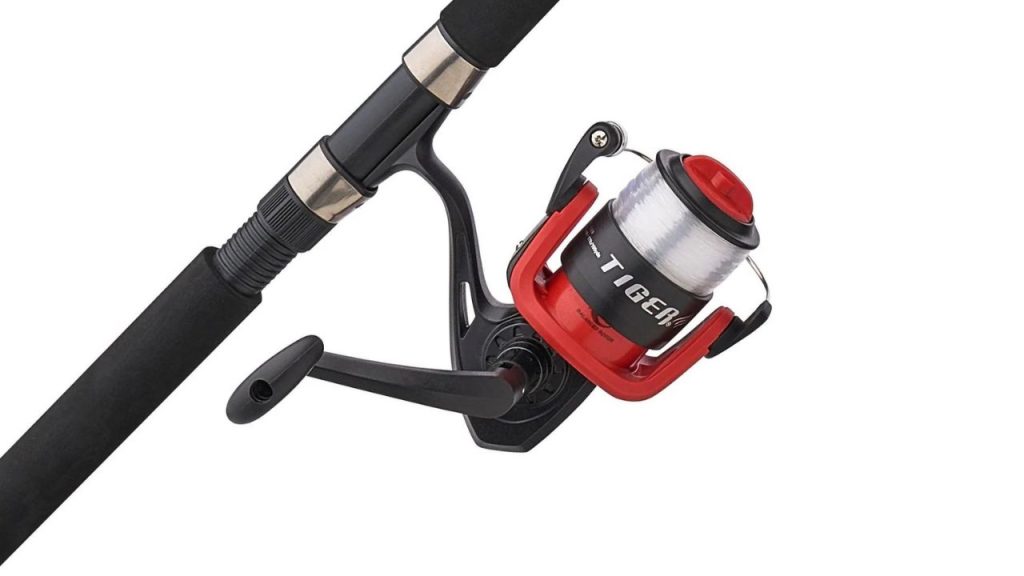
The Tiger Cat rod is common in catfish circles for a reason—it’s strong and forgiving. But that strength translates into bulk. When you’re casting or holding it rather than resting it in a holder, fatigue stacks up quickly.
The blank doesn’t flex smoothly, which means more effort during casts and hooksets. Balance suffers with larger spinning or baitcasting reels, pulling weight forward. By midday, your forearms feel tight, and concentration slips. It handles big fish fine, but the rod quietly wears you down long before the fish ever test it.
Bass Pro Shops Tourney Special Combo Rod
This rod shows its limits during long outings. The blank isn’t especially heavy on paper, but poor balance makes it feel heavier with every cast. The reel seat and grip don’t promote relaxed hand placement.
You end up gripping harder to maintain control, which accelerates fatigue. After hours of working plastics or reaction baits, your wrist starts complaining. Accuracy fades, and hooksets lose snap. It’s fine for short trips or beginners, but sustained fishing exposes how quickly a poorly balanced rod can drain your energy.
Penn Squadron III Boat Rod
The Penn Squadron III Boat Rod is built for strength under load, not comfort. Thick walls and a stiff taper make it reliable, but holding it for extended periods takes a toll. The rod feels clumsy when jigging or managing bottom contact.
Weight distribution favors durability over feel, forcing you to actively support the rod. Even with gloves, hand fatigue creeps in early. It performs when fish are on, but between bites it becomes work. Long days on the rail leave your arms sore, even if the fish count stays low.
Zebco Big Cat Spinning Rod
The Big Cat spinning rod is popular for bank anglers, but extended casting reveals its drawbacks. The fiberglass blank adds mass, and the rod doesn’t load efficiently on lighter rigs. That means more effort every time you throw.
Grip comfort is basic, and balance suffers with larger reels. After hours on shore, your arm feels tight and tired. The rod does what it claims, but it doesn’t help you conserve energy. When the bite finally picks up, you’re already worn down and slower than you should be.
Eagle Claw Pack-It Telescopic Rod
Portability comes at a cost with the Pack-It rod. The telescoping design adds weight and deadens balance. Each section contributes to a stiff, uneven feel that requires more effort to cast accurately.
The handle is short, limiting leverage and forcing your wrist to work overtime. After a full day on a creek or lake, fatigue sets in fast. It’s convenient to carry, but not friendly to your body. You end the day feeling like you worked harder than the fish did, even if the rod never failed structurally.

Asher was raised in the woods and on the water, and it shows. He’s logged more hours behind a rifle and under a heavy pack than most men twice his age.